


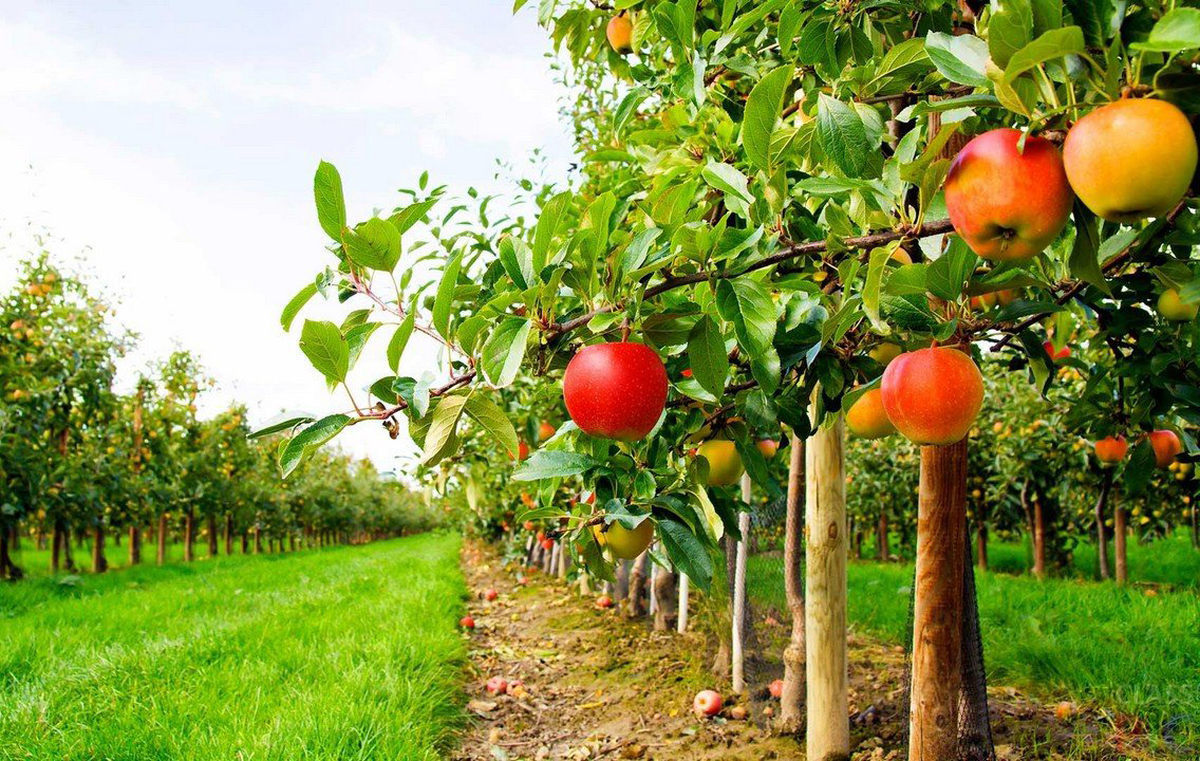
In modern circumstances, apples and pears are grown in intensive gardens which are characterized by dense planting, early beginning of fruiting and formation of quantitative and high yields. In order to provide trees timely with necessary amount of nutrients, it is important to develop effective, well thought nutrition system.
According to the practical experience and scientific researches, correct and scientifically approved application of fertilizers in gardens ensures yields increase from 25 to 50%.
While planning the nutrition system, the attention should be paid to the demand of plants for the nutrients, depending on phenological development phase as well as soil and climate peculiarities of the planted gardens. It is also important to predict such an important factor as long-term planting of fruit trees on one and the same place and the movability and accessibility of nutrients.
Apples and pears have the following critical phases of demand in nutrients:
- buds swelling- blooming;
- intensive growth;
- fruit ripening;
- after fruit gathering period.
Important elements of nutrition
The major amount of nitrogen is absorbed by plantings in spring, when the leaf material formation and filling of fruit take place. Deficiency of this element results in worse blooming (seed sprouts degenerate, the growth of pollen tube slows down). Nitrogen is applied to the soil in several steps (2-4), starting from early spring and ending with the June fall phase. Phosphorus activates the growth of root system, increases the amount of inflorescences during blooming and facilitates the fruit filling. In order to increase the fruit size, it is recommended to apply phosphorus foliarly during six weeks after blooming. As phosphorus is not considered to be a movable element, it’s important to apply the phosphorus containing fertilizers deeply into the soil for obtaining better results. If there is no such possibility, the foliar application of this element will provide plants nutrition during next few years of growing.
Application of mineral fertilizers
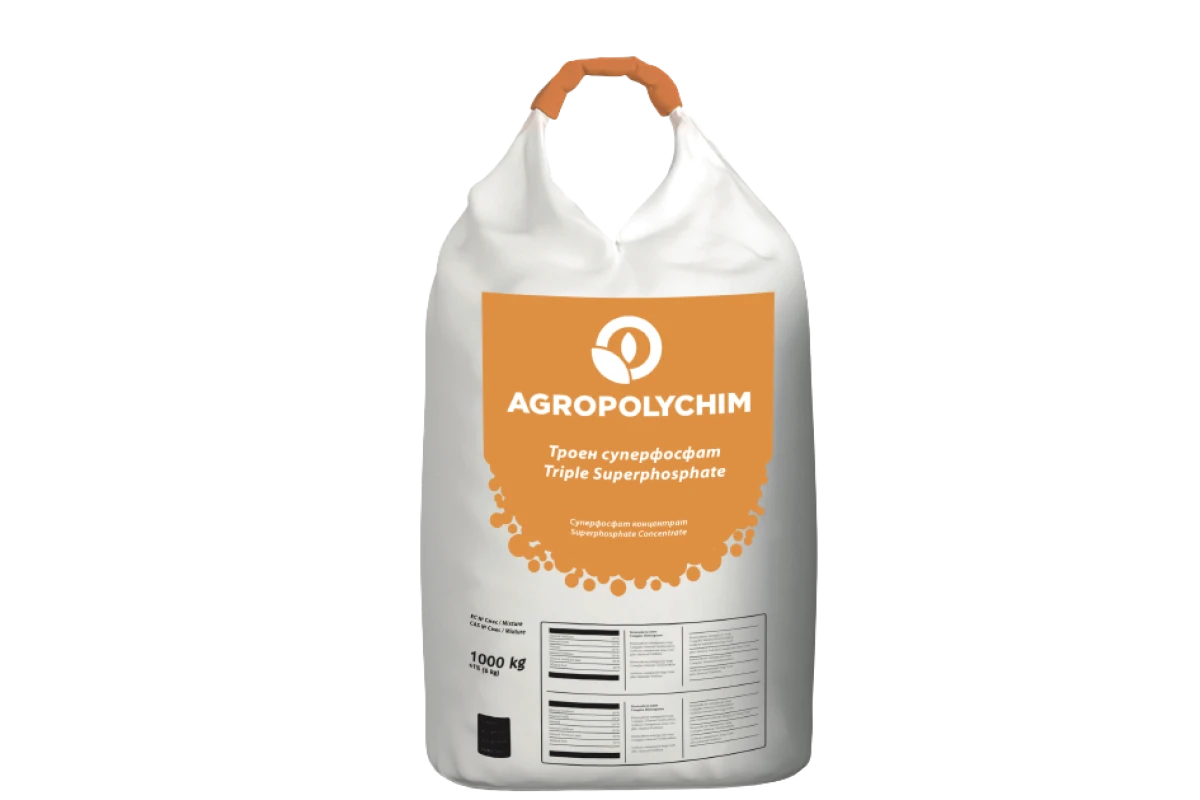
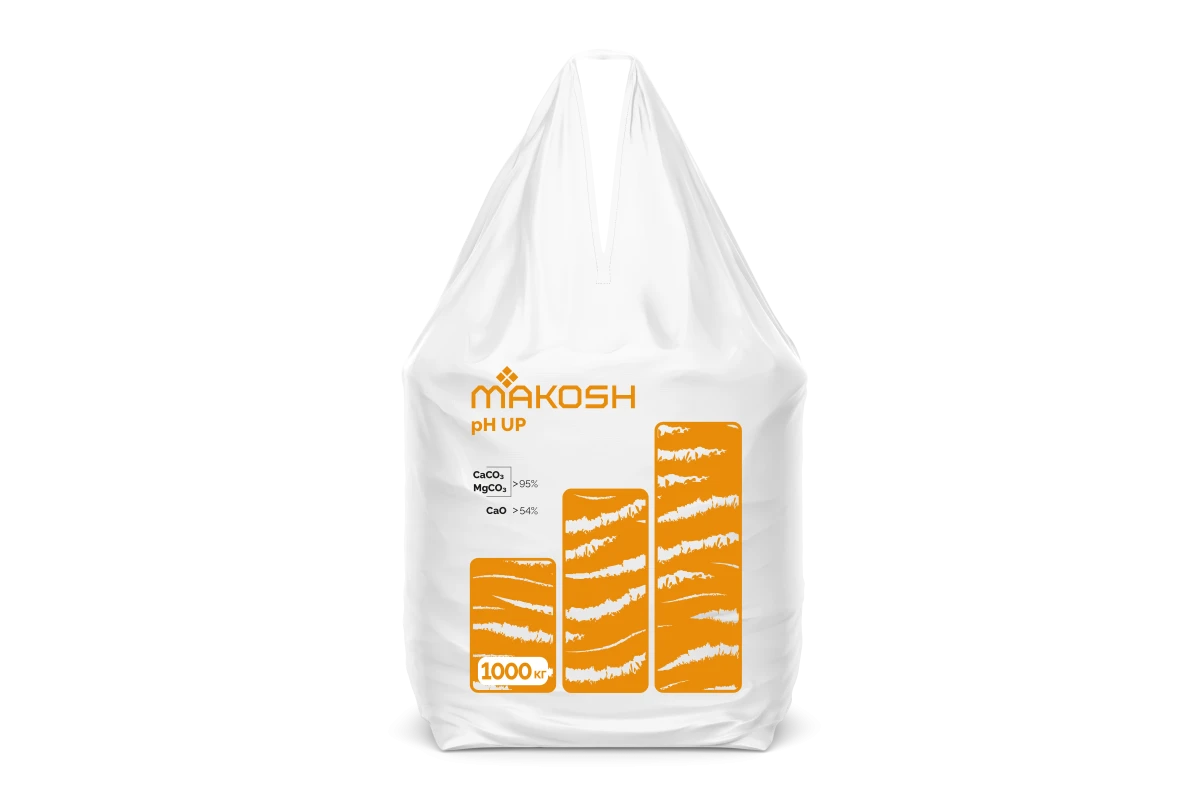
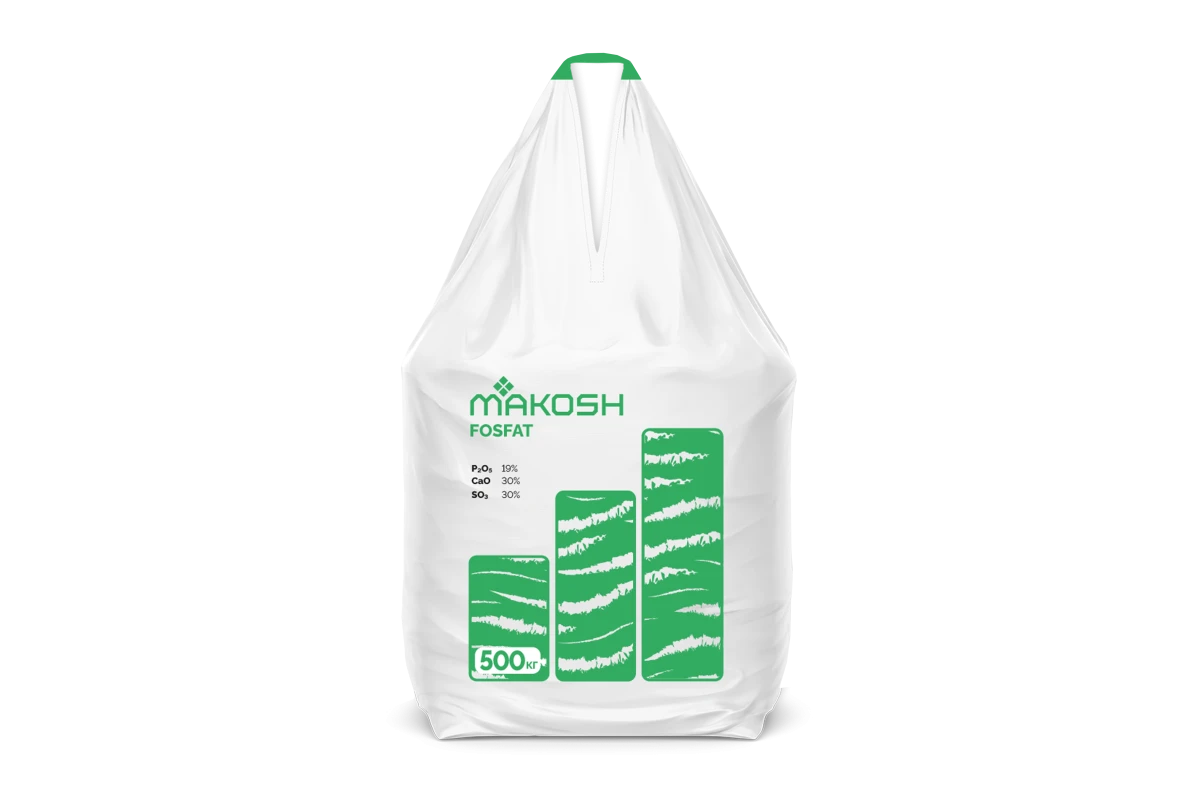
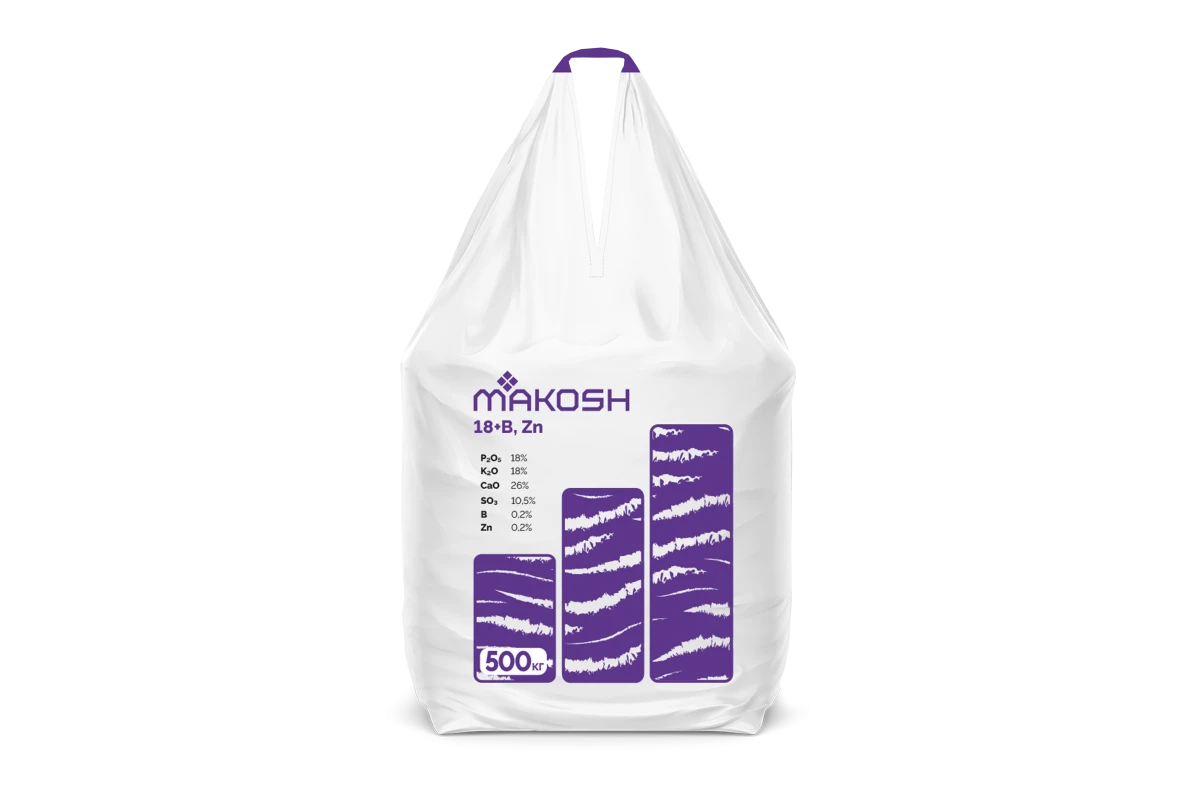
The Makosh Company recommends to enrich the amounts of phosphorus in the soil by applying SUPERFOSFAT MAKOSH z mikroelementami (B, Zn) in the amount of 200 to 300 kg/ha. This fertilizer contains water soluble phosphorus in the amount 93%, calcium and as well as such important elements as boron and zink.
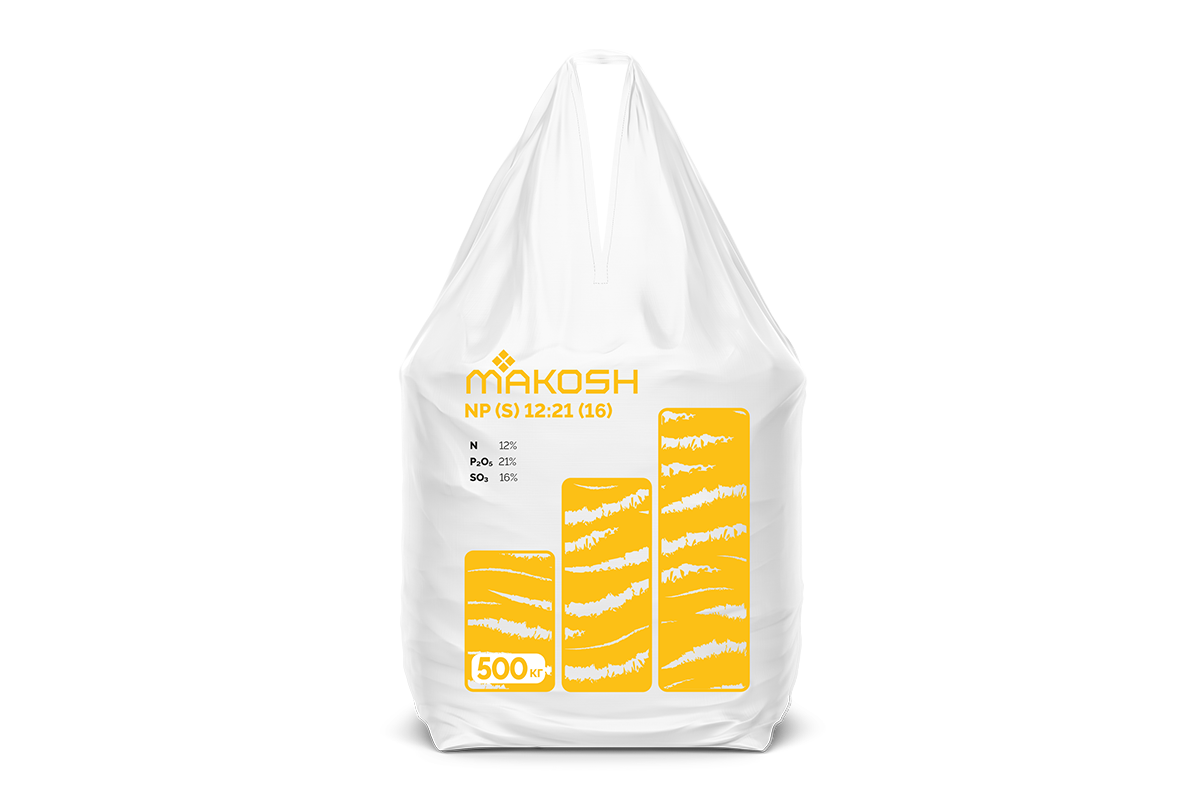
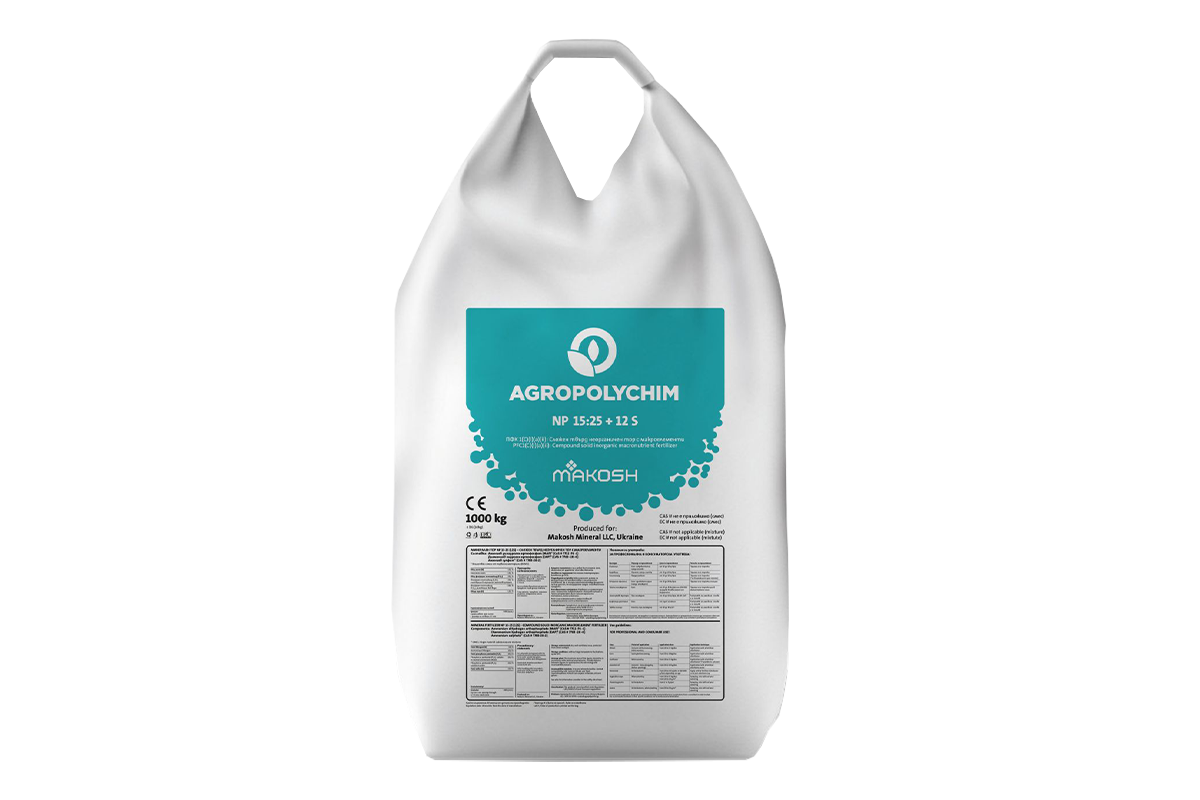
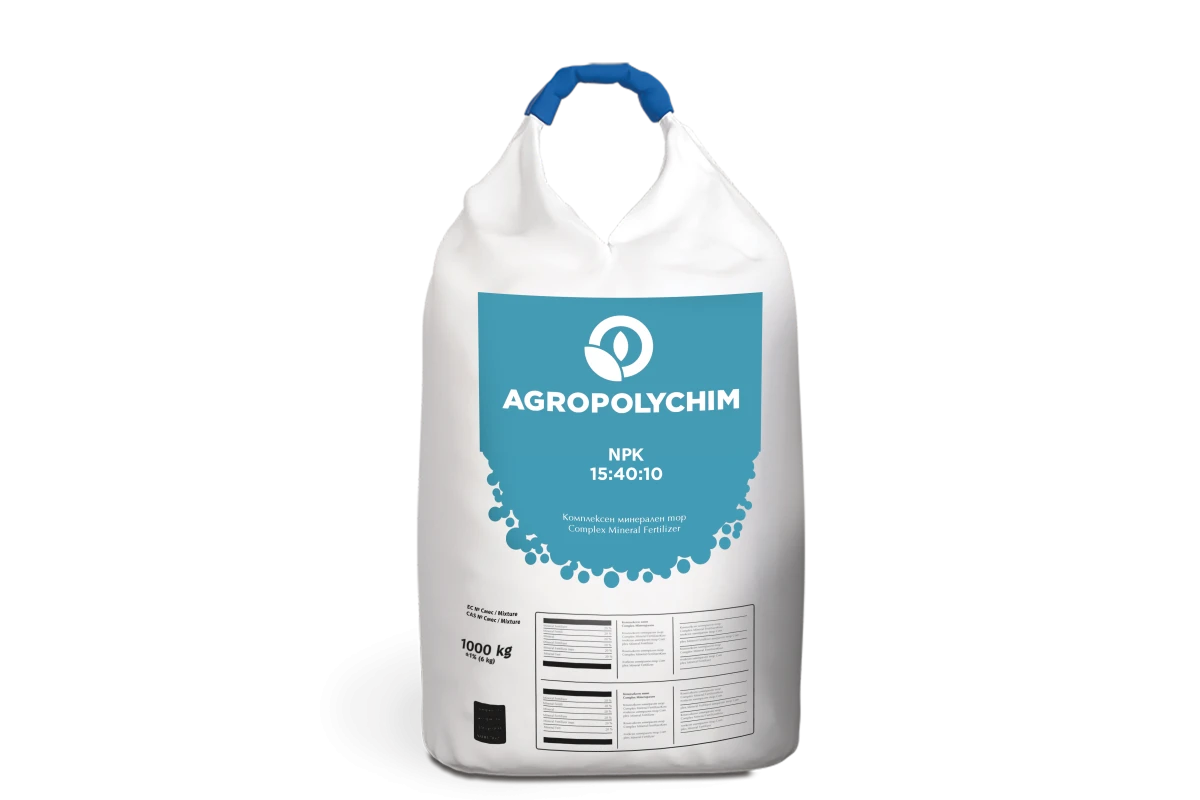
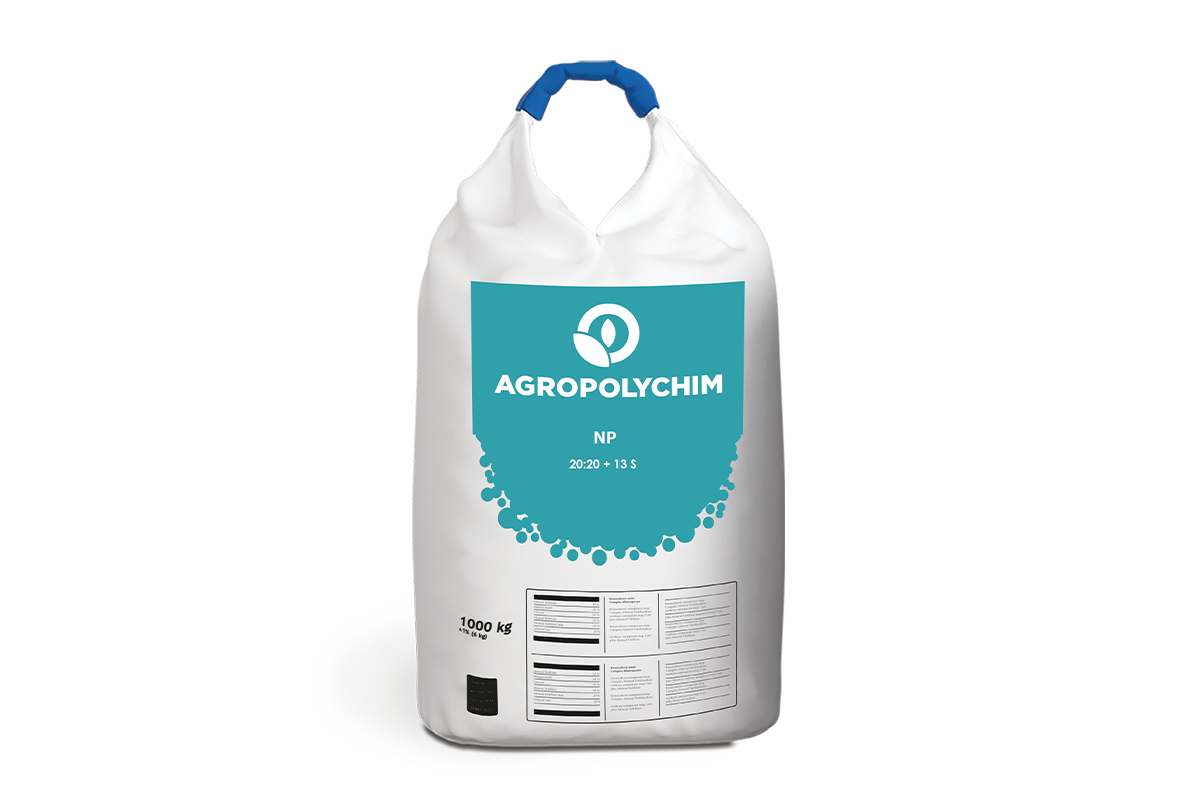
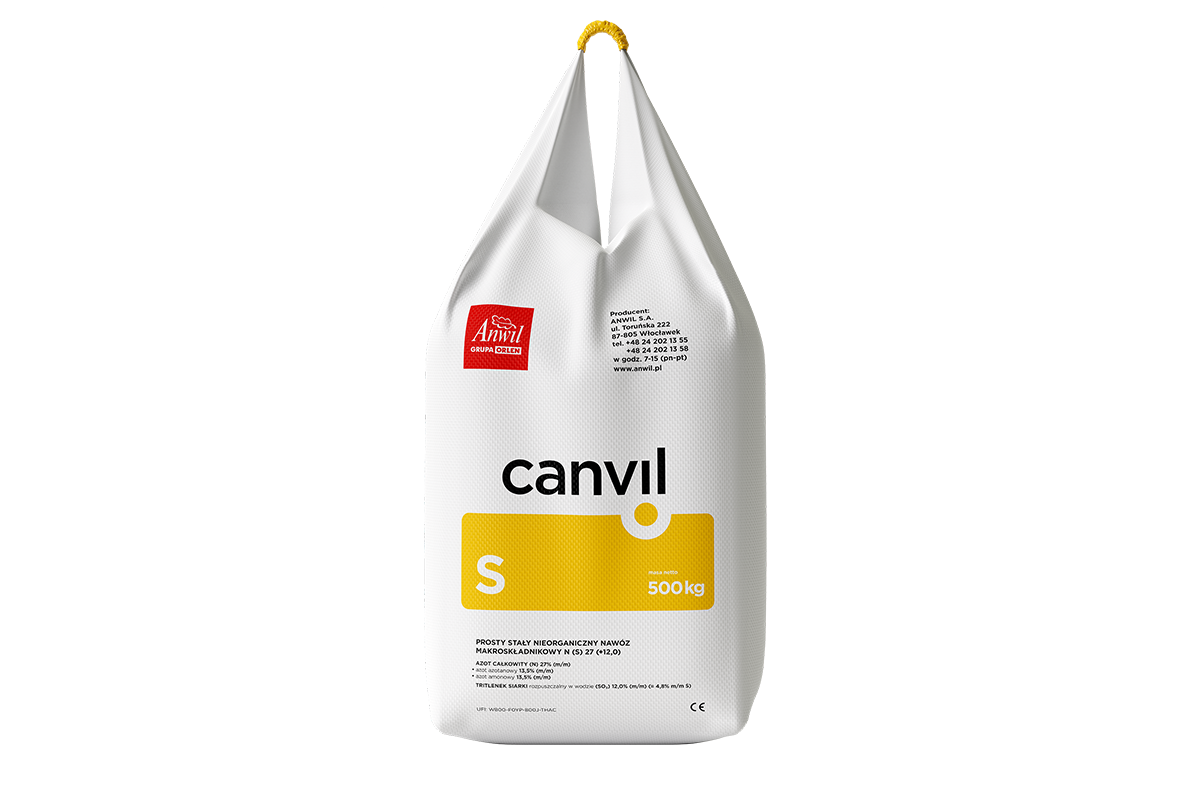
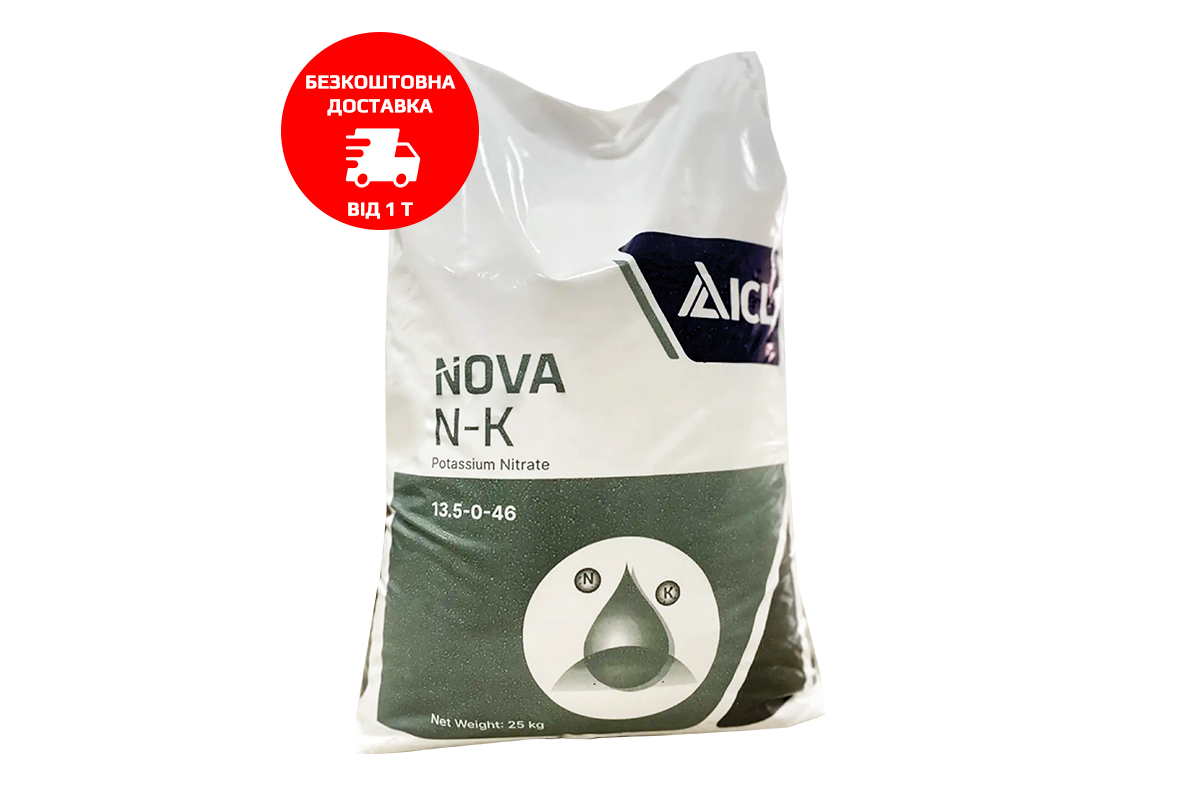
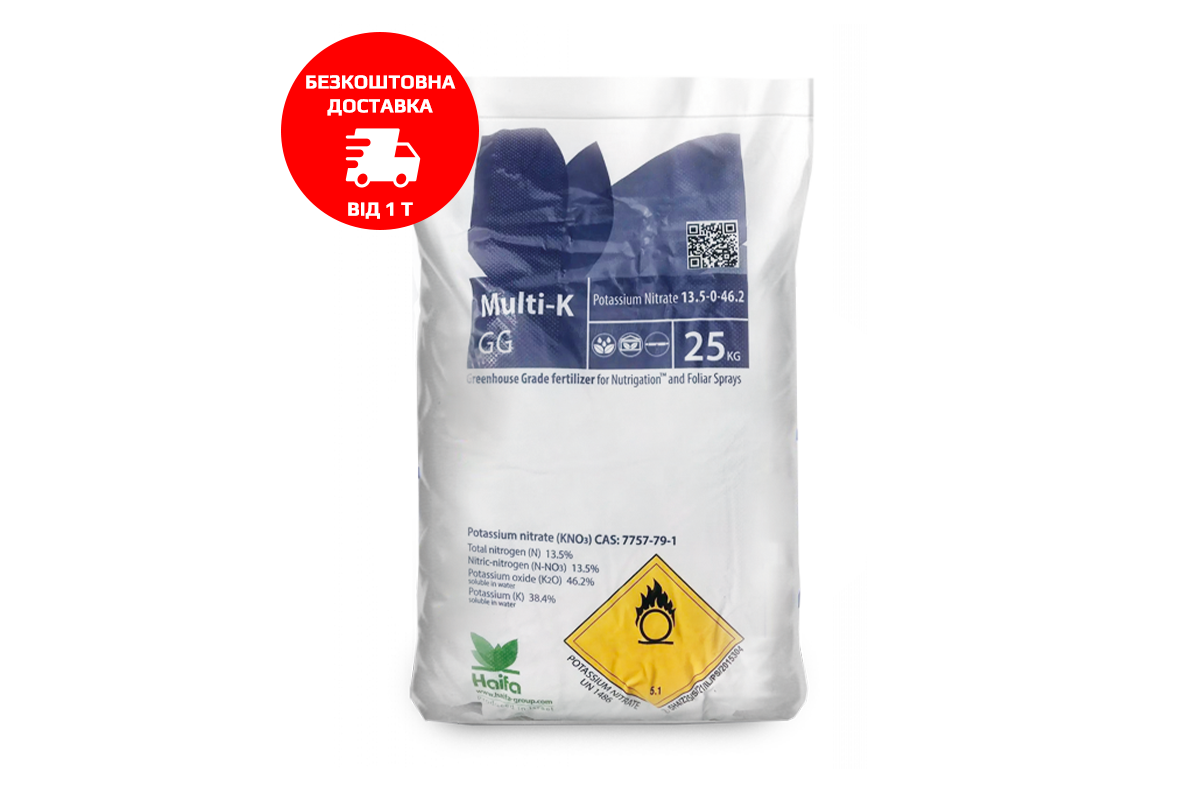
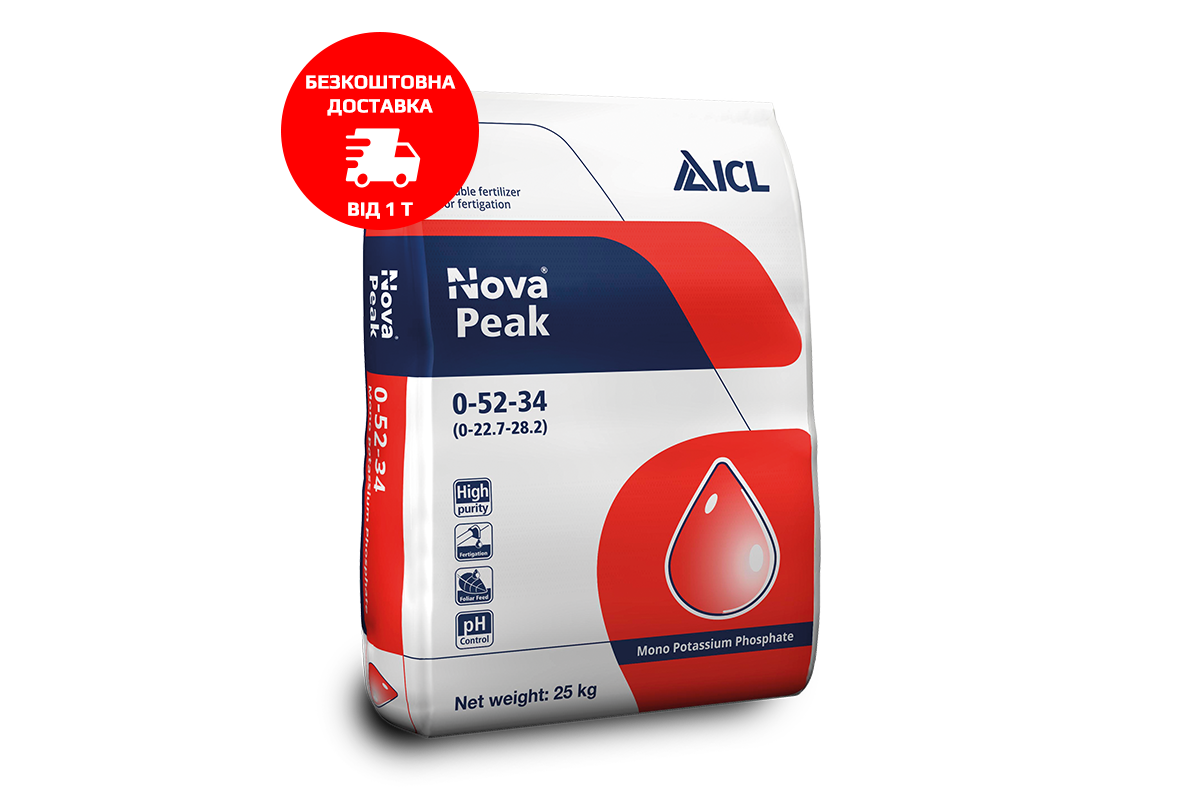
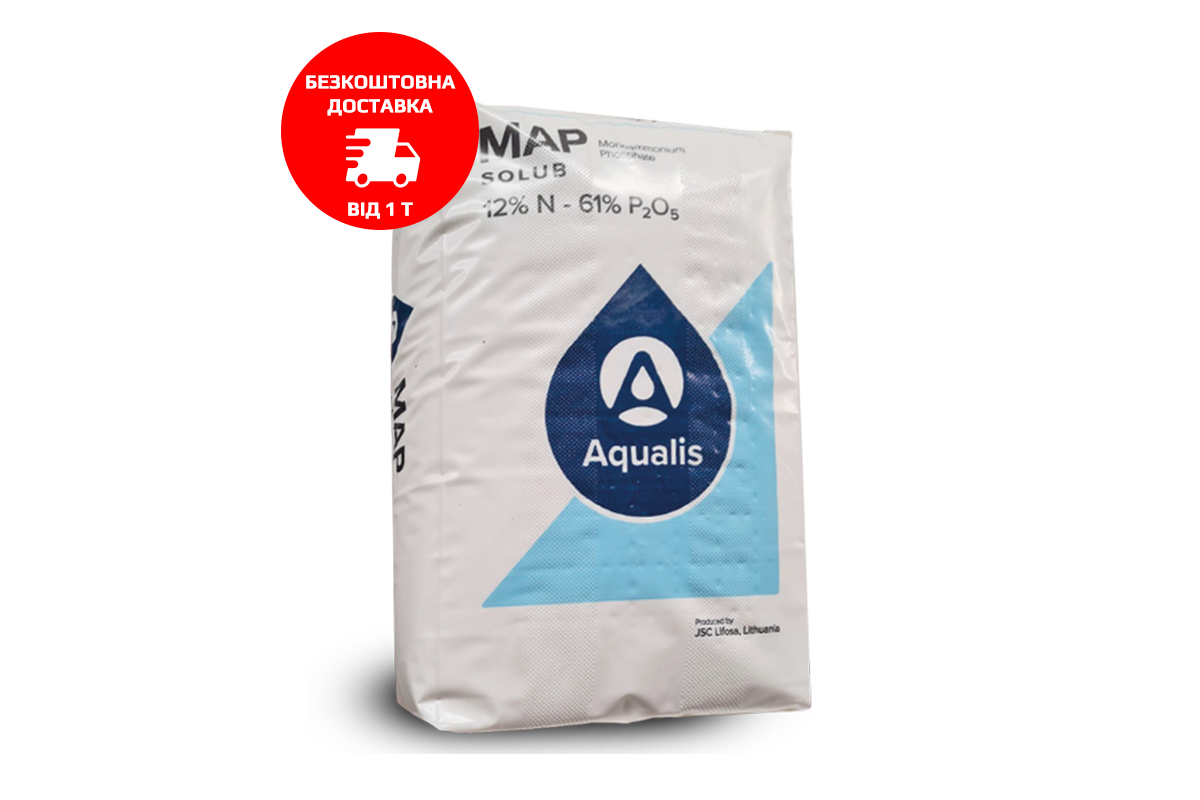
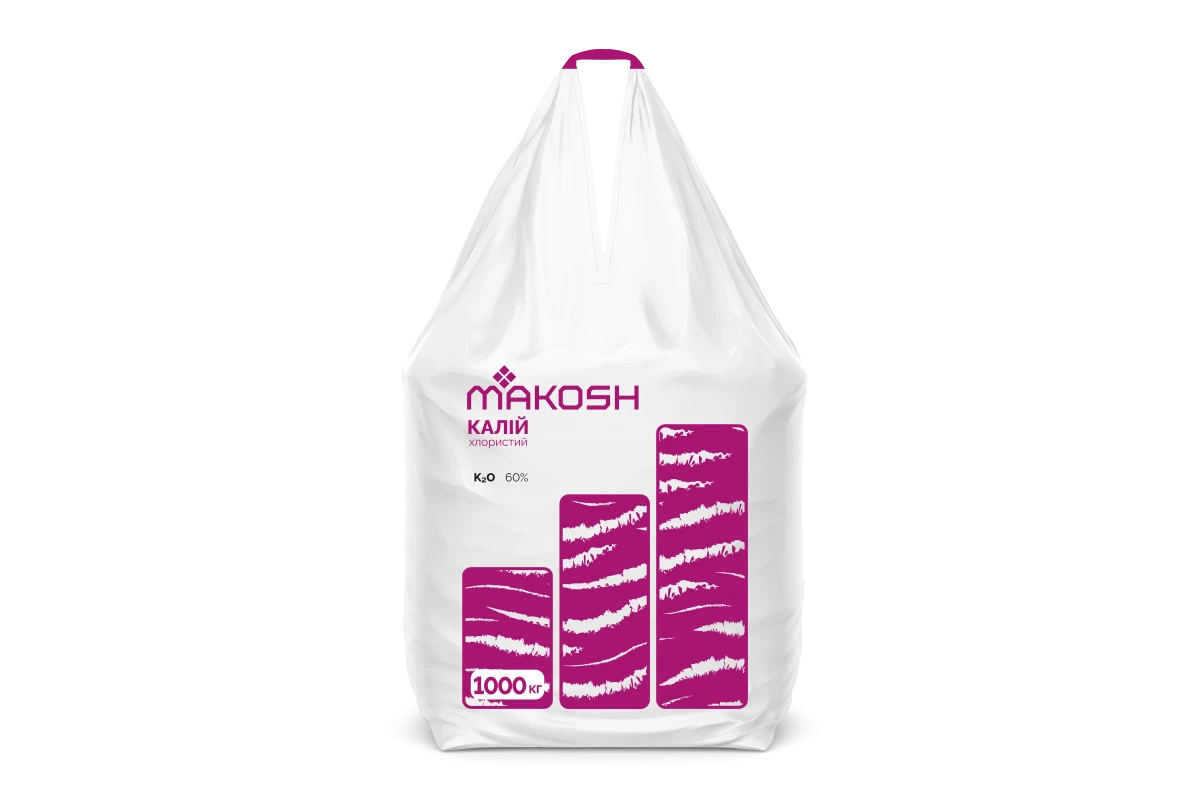
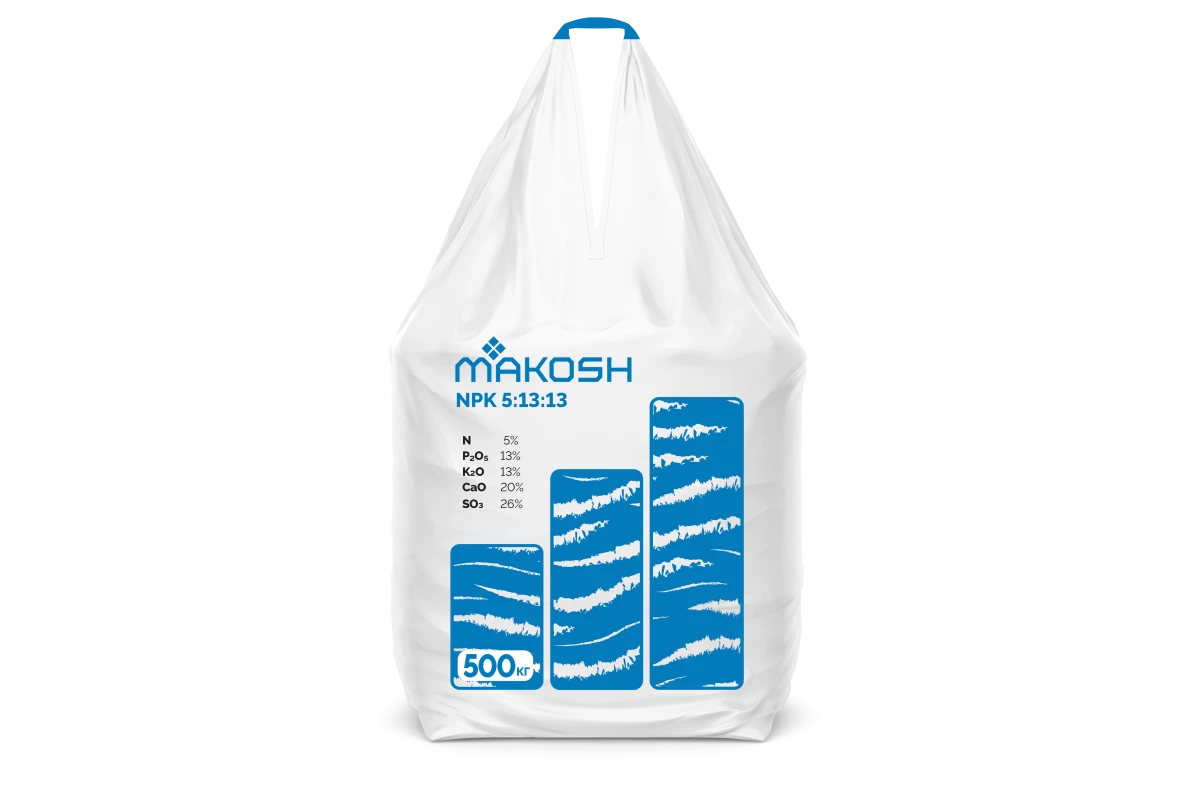
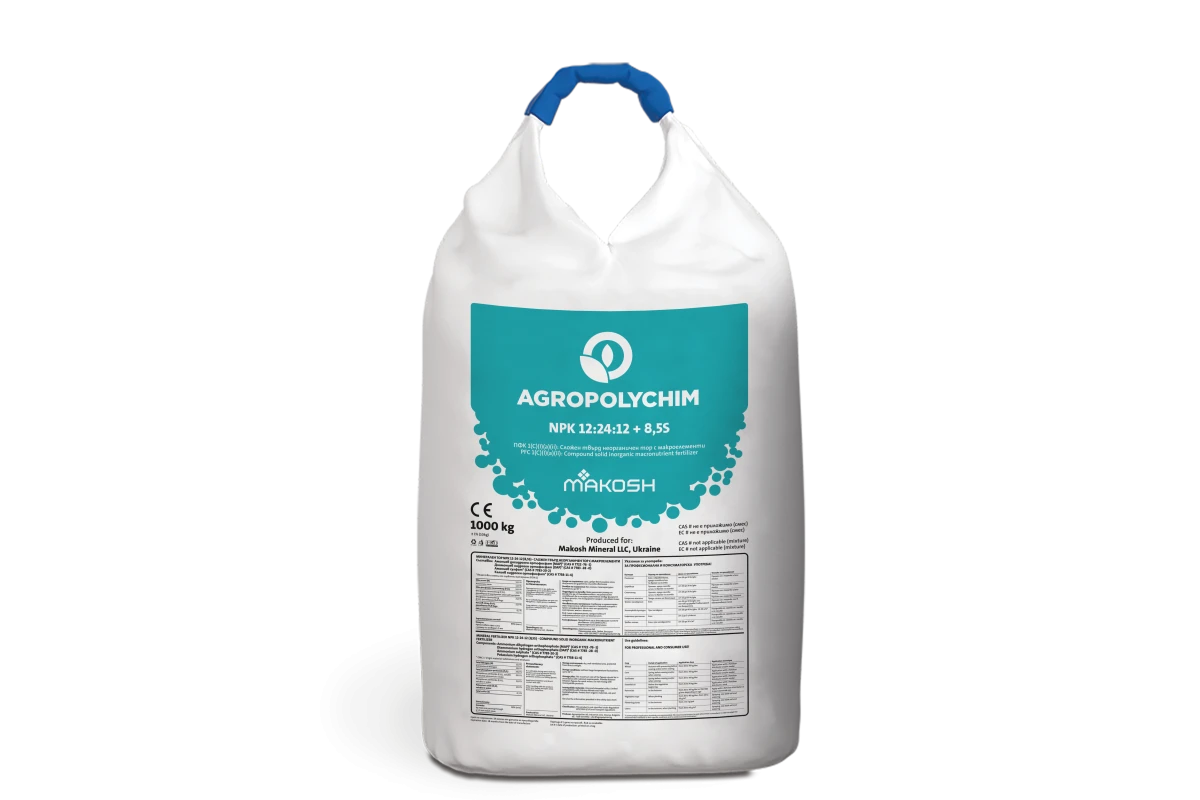
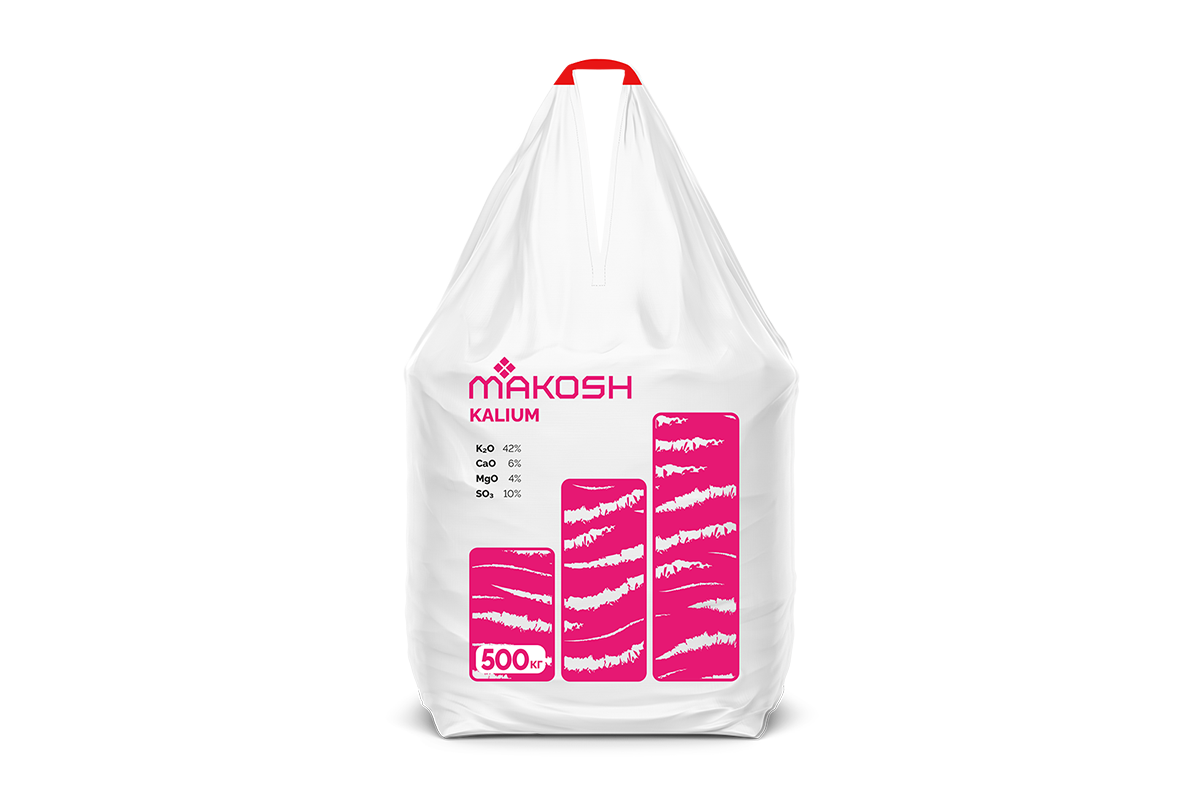
In order to fulfill the necessity in nutrients it is also recommended to use complex mineral fertilizers which are enriched with microelements:
By applying to the stamping zone at a dose of 200-300 kg/ha, depending on the soil availability.
Fertilizers for foliar nutrition
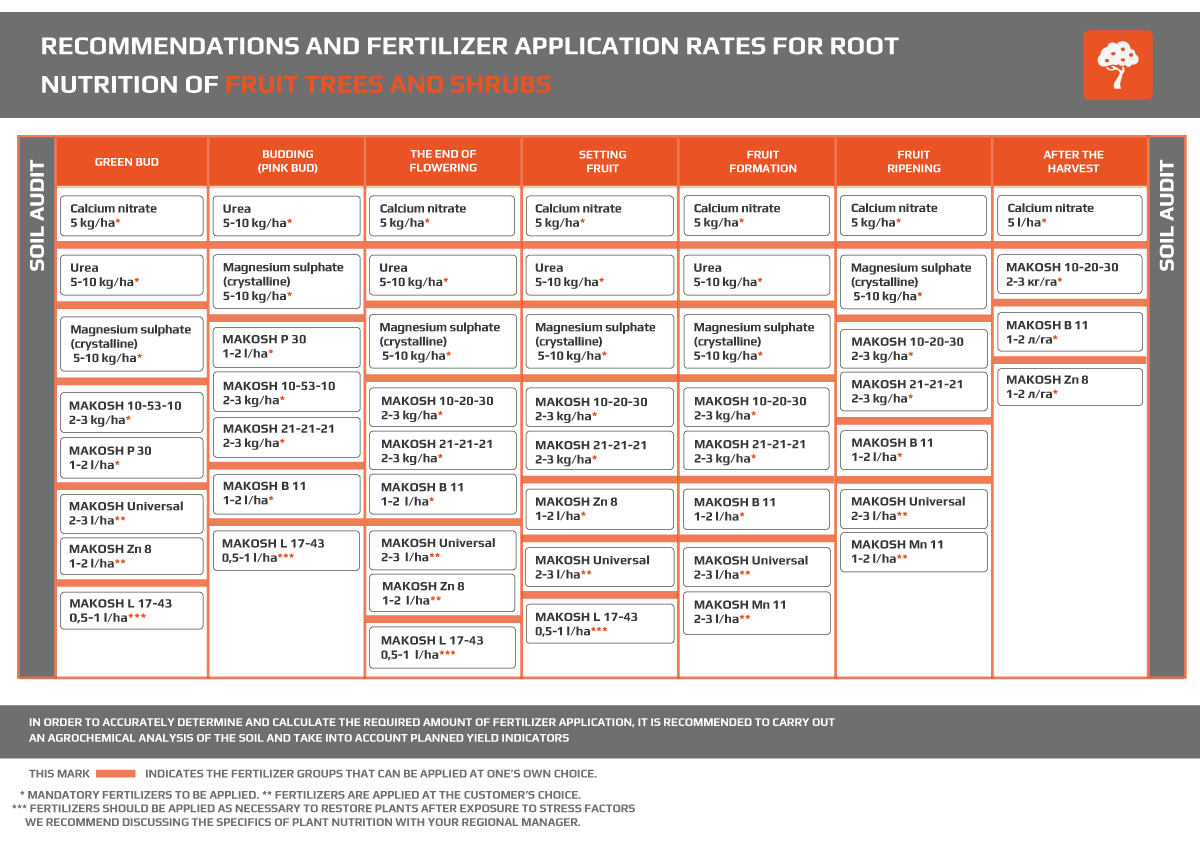
At the initial stages of development, foliar fertilization with phosphorus fertilizers is advisable:
- MAKOSH 10-53-10 – 2-3 kg/ha;
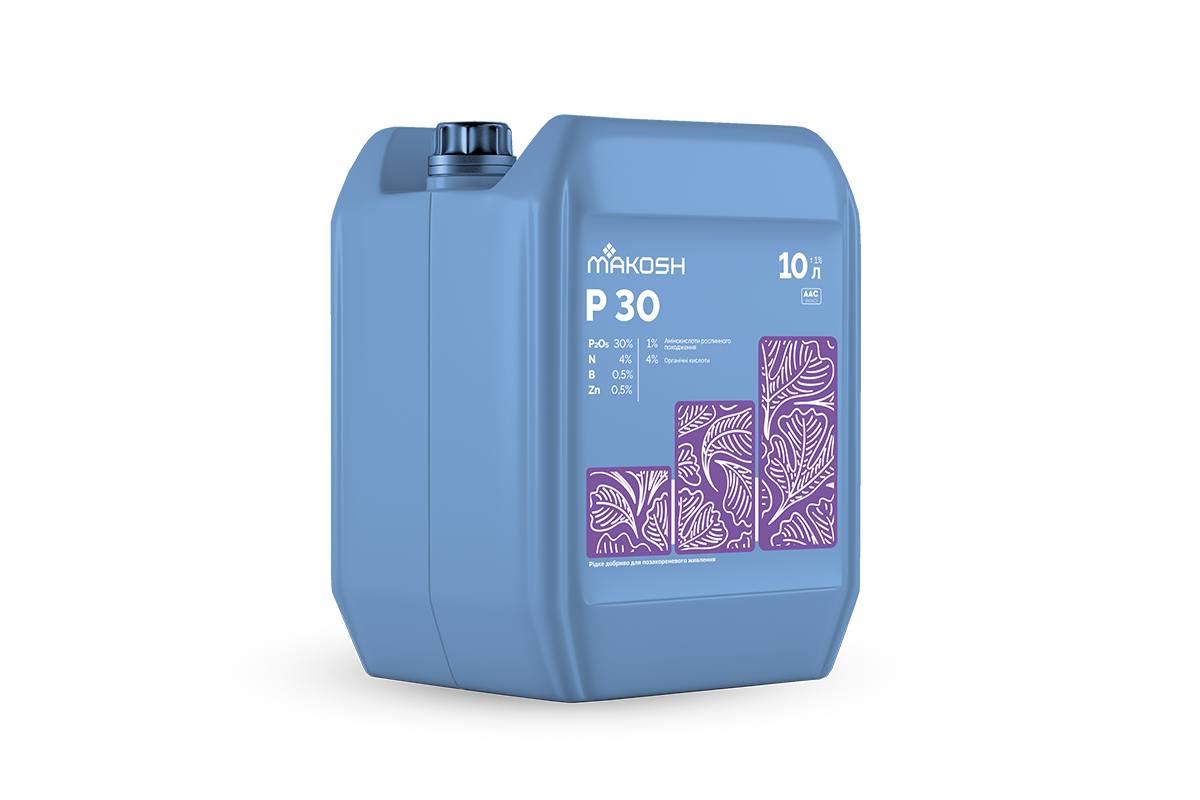
- MAKOSH P 30 – 1-2 l/ha.
To prevent nutritional deficiencies and to provide trees with nutrients, liquid fertilizers should be used:
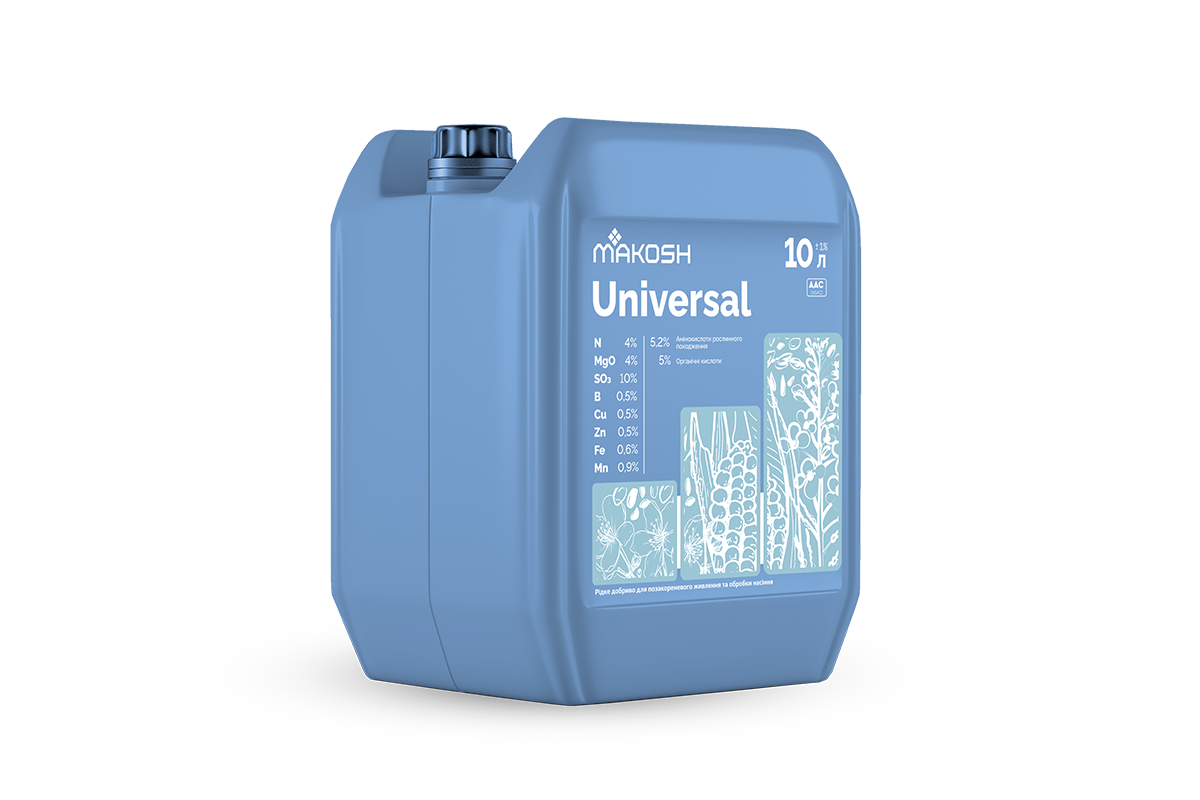
- MAKOSH Universal – 2-3 l/ha.
To overcome stressful situations in plants (frost, drought, hail, etc.) it is recommend using fertilizer based on amino acids:
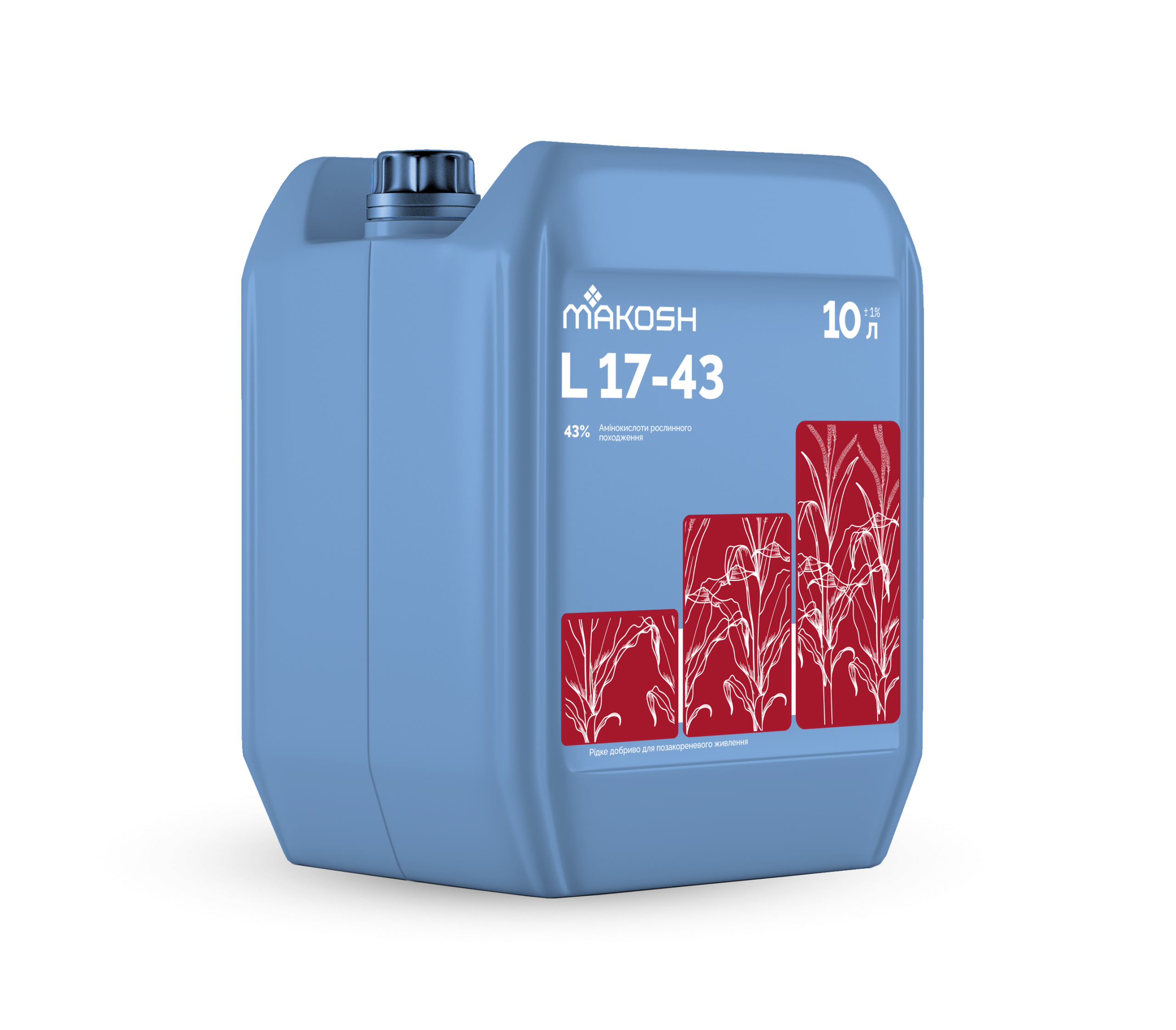
- MAKOSH L 17-43 – 0,5-1 l/ha.
Deficiency of calcium may result in set of defects: cork spotting, under skin spotting etc.Calcium that is applied during fruit filling, increases storage term of fruit and their trade quality. This element is also responsible for water exchange, cells strength of plants.
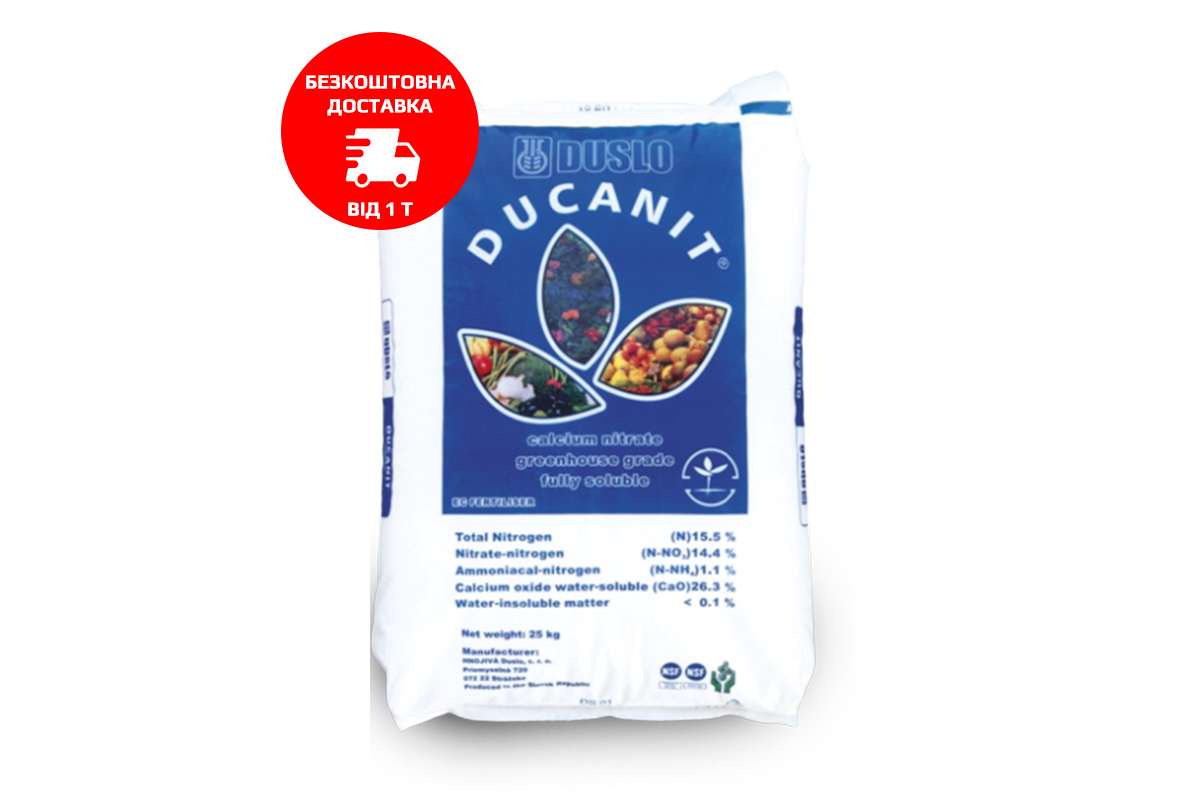
This element regulates water metabolism, increases the strength of cells in the plant. It is recommended to fertilize fruit plantations 4-6 times with Ducanit calcium nitrate at a rate of 3-5 kg/ha from the end of flowering to the ripening of fruits.
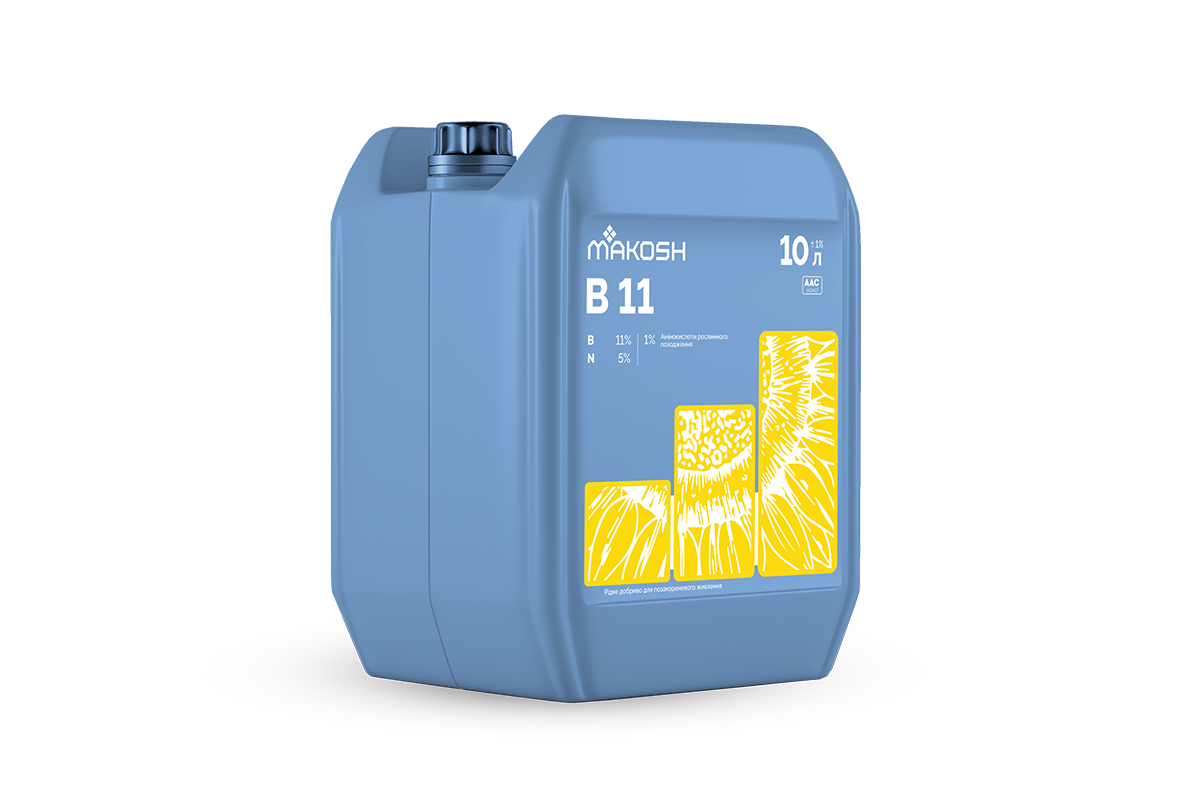
Among the crucial nutritive elements for fruit trees are Boron and Zink. In order to supply the plants with these elements to the proper extent, it is necessary to apply them together with mineral fertilizers during main fertilization as well as foliarly during critical periods. Boron which is applied during the phase of ping buds, ensures better process of pollination; applied during the phase of fruit growth and development- improves the quality of yields. One of the peculiarities of this element is its inability to move from old leaves to the young ones as well as to fruits. That’s why it’s recommended to apply at least twice such microfertilizers as MAKOSH B 11 1-3 l/ha.
Boron deficiency results in improper development of pollen tubes and in fact the smaller amount of the amount of ovaries, necrosis, growth point freezing, impaired photosynthesis and carbohydrate transport.
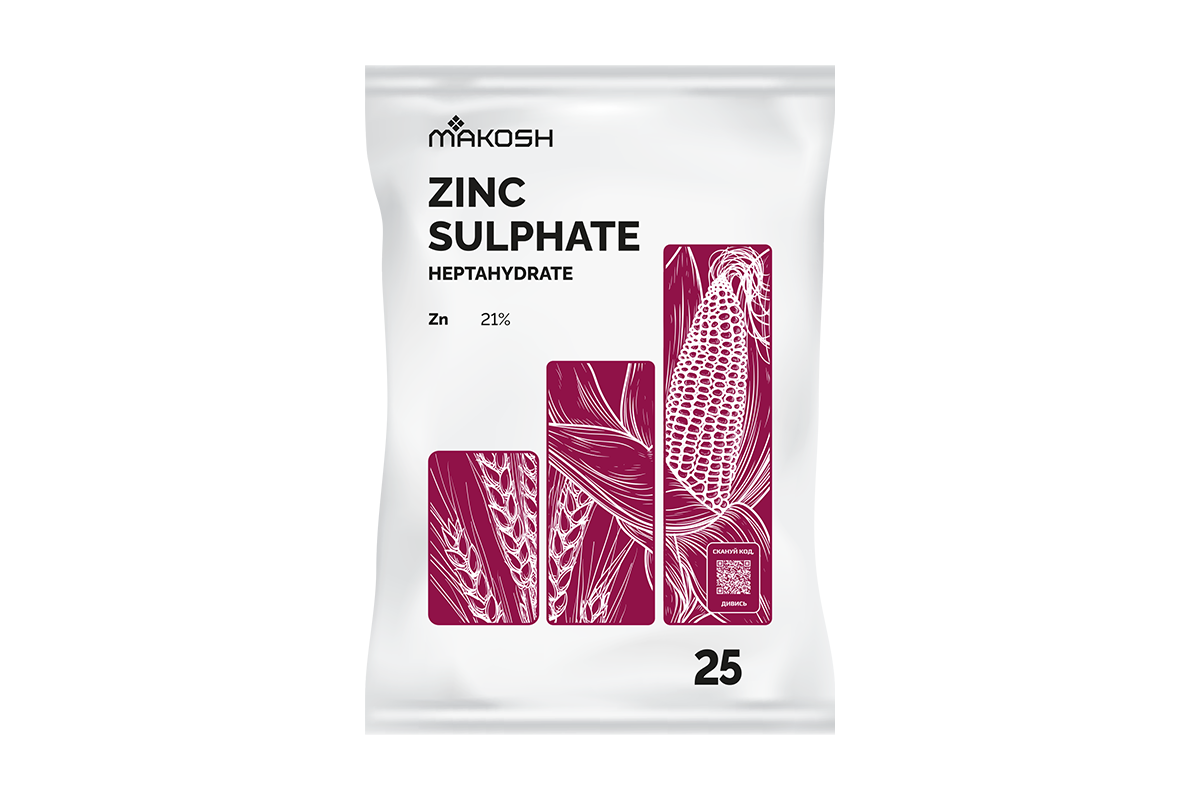
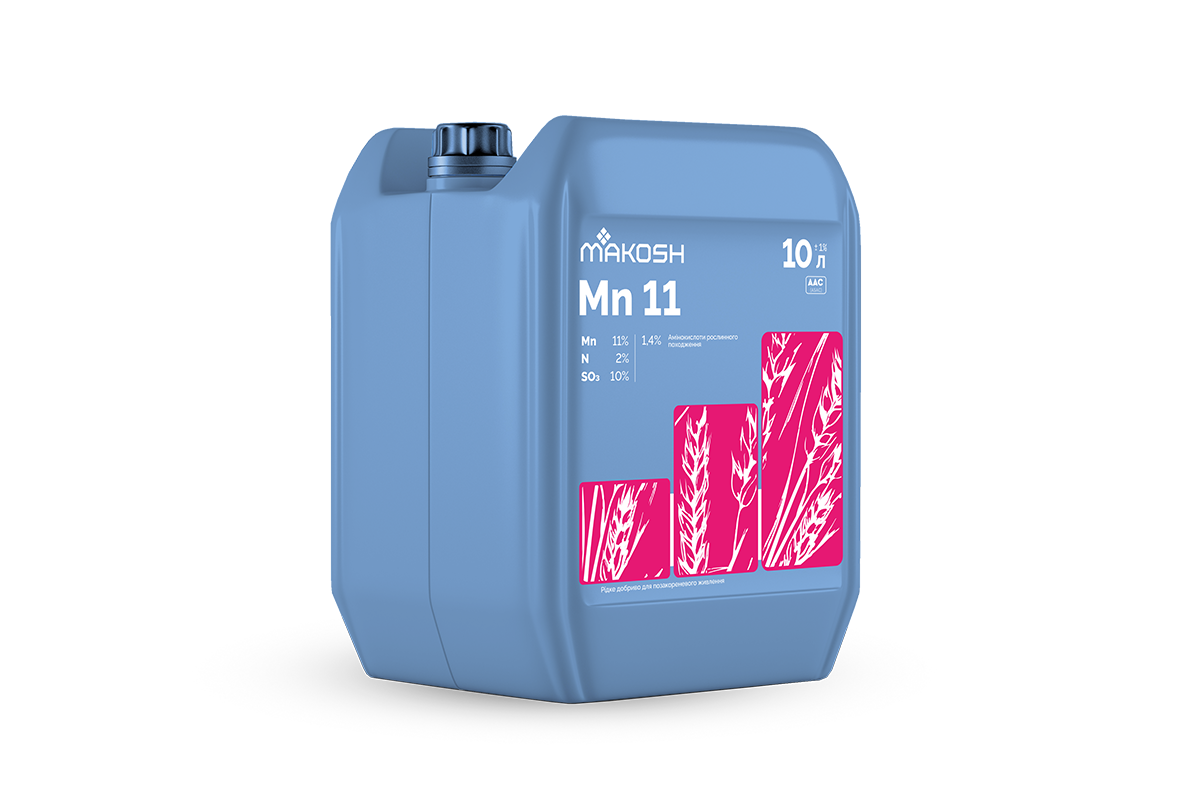
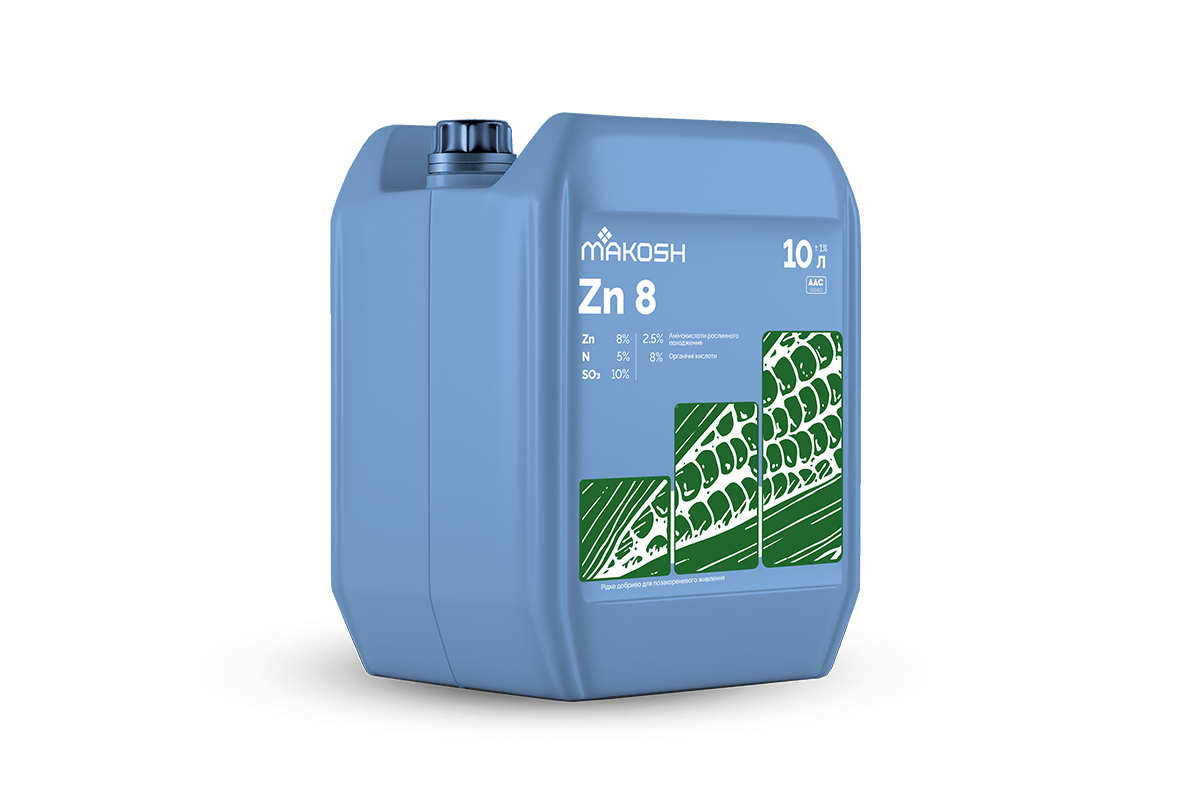
Regarding the fact that Zink is contained in more than 30 elements, it has a direct influence on the development of young leaves and shoots. Deficiency of this element can be supplied by MAKOSH Zn 8 in the amount of 1-2 l/ha at the beginning of the vegetation and after blooming. Zinc deficiency is manifested in the form of chlorosis, small leaves and rosette leaves.
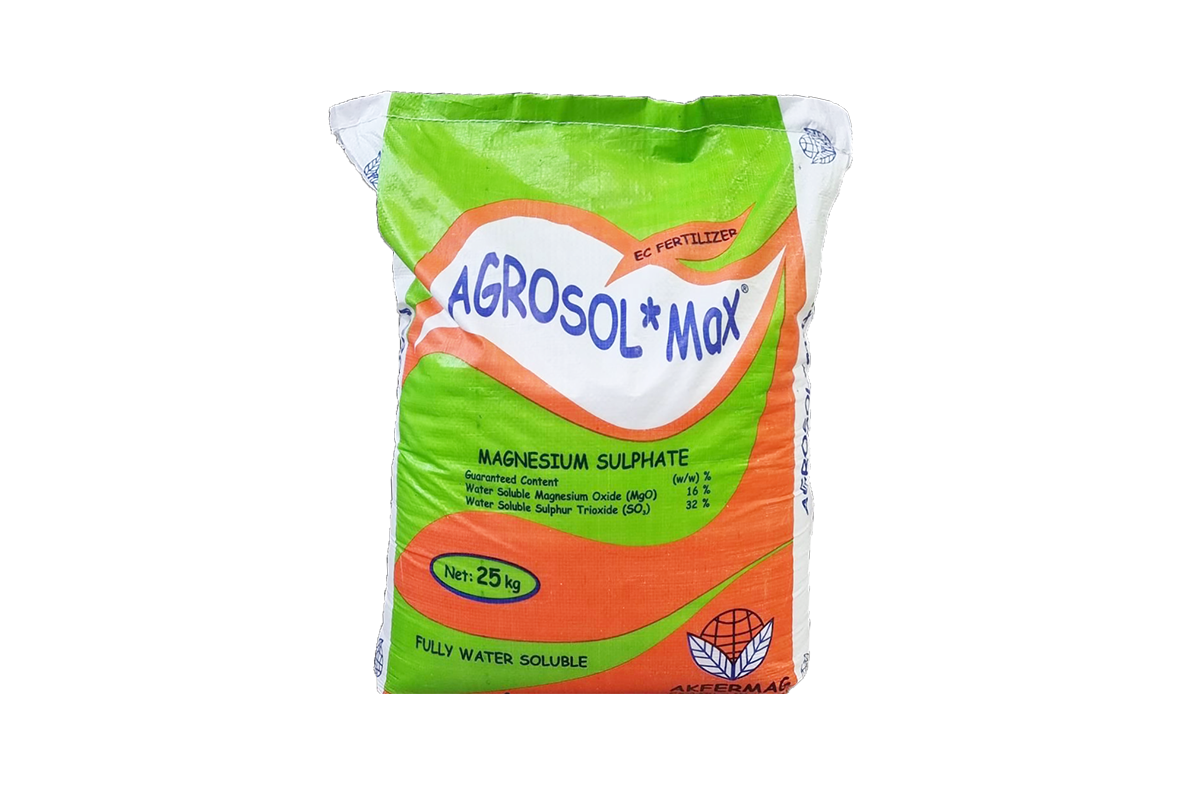
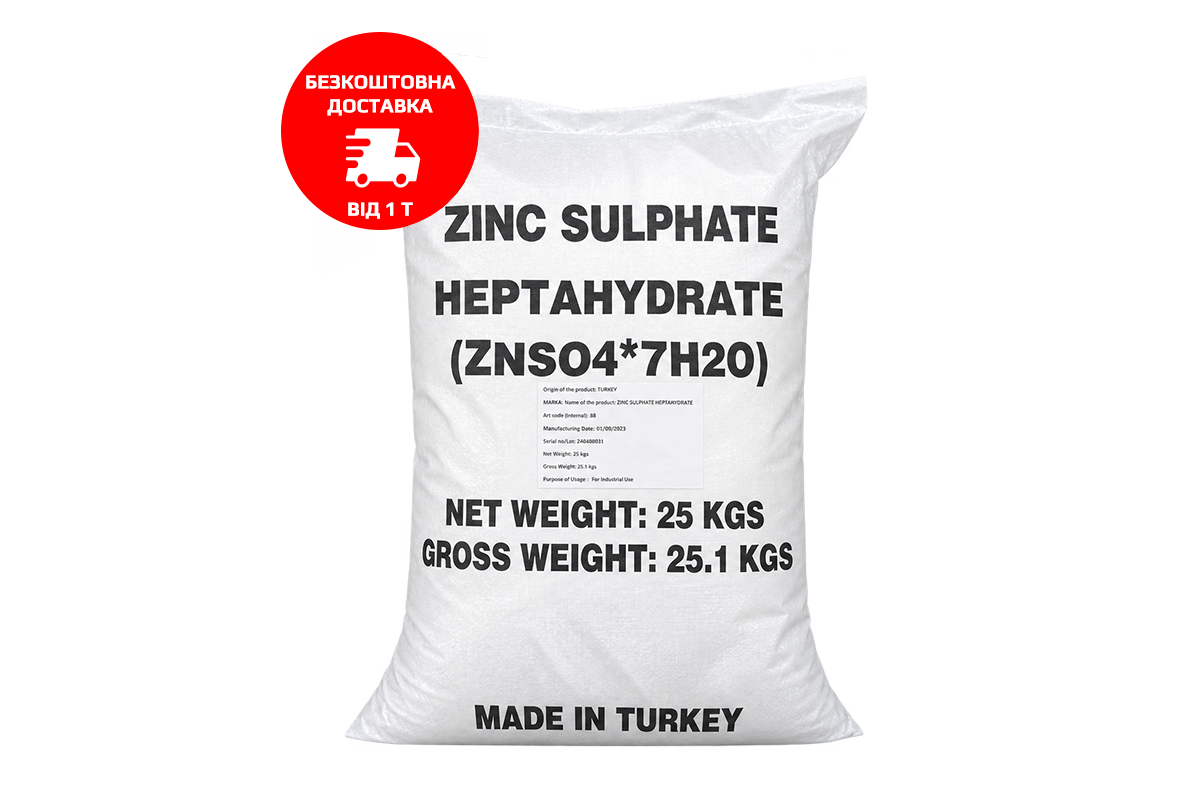
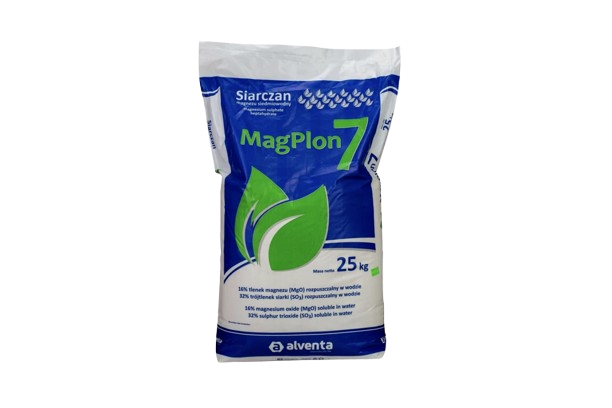
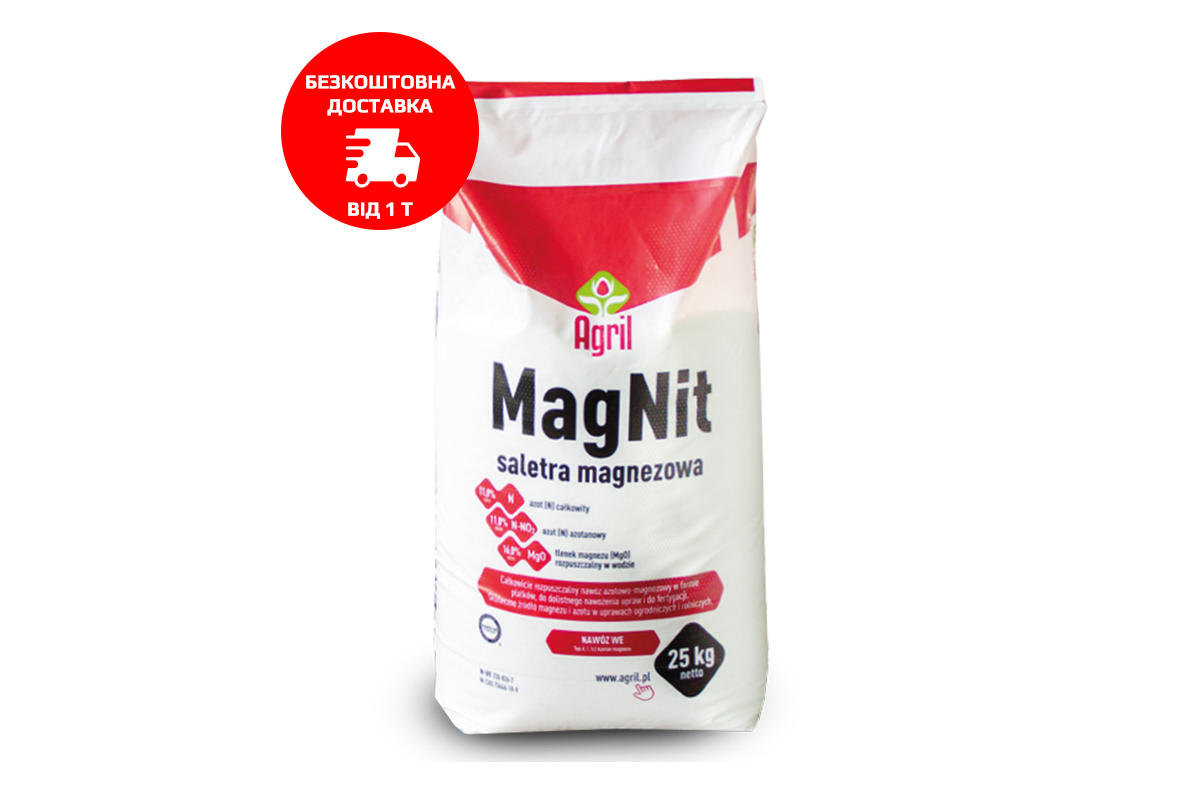
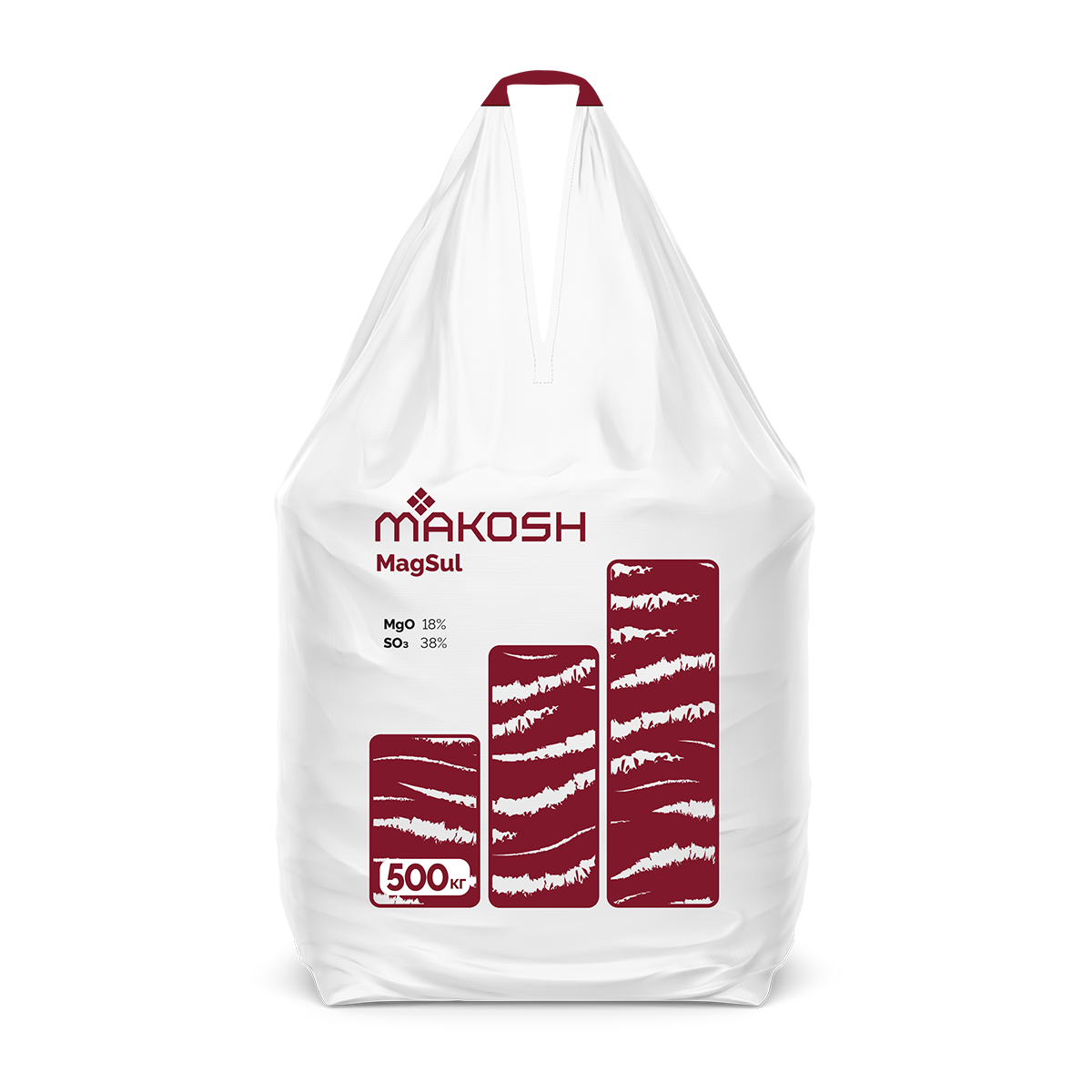
In the phase of intensive growth and development of fruit, there is a need for foliar nutrition with such fertilizers as: Crystalline magnesium sulfate (seven-water) – 5-10 kg/ha with the addition of Urea 5-10 kg/ha. At this time, when plants are actively dividing cells and growing new tissues, they need a significant amount of nitrogen, magnesium and sulfur. Therefore, it is important to carry out 2-3 times applying to ensure the process of growth and photosynthesis. It is recommend to use microcrystalline fertilizer MAKOSH 21-21-21 in the amount 2-3 kg/ha (21:21:21 + Cu, Mn, Zn) at the initial stages of fruit development.
In the second half of the summer it is recommend limiting the dose of nitrogen and taking care of increasing the doses of phosphorus and potassium fertilizers that improve the quality of the fruit. To do this, it is recommend regularly apply fertilizers such as:
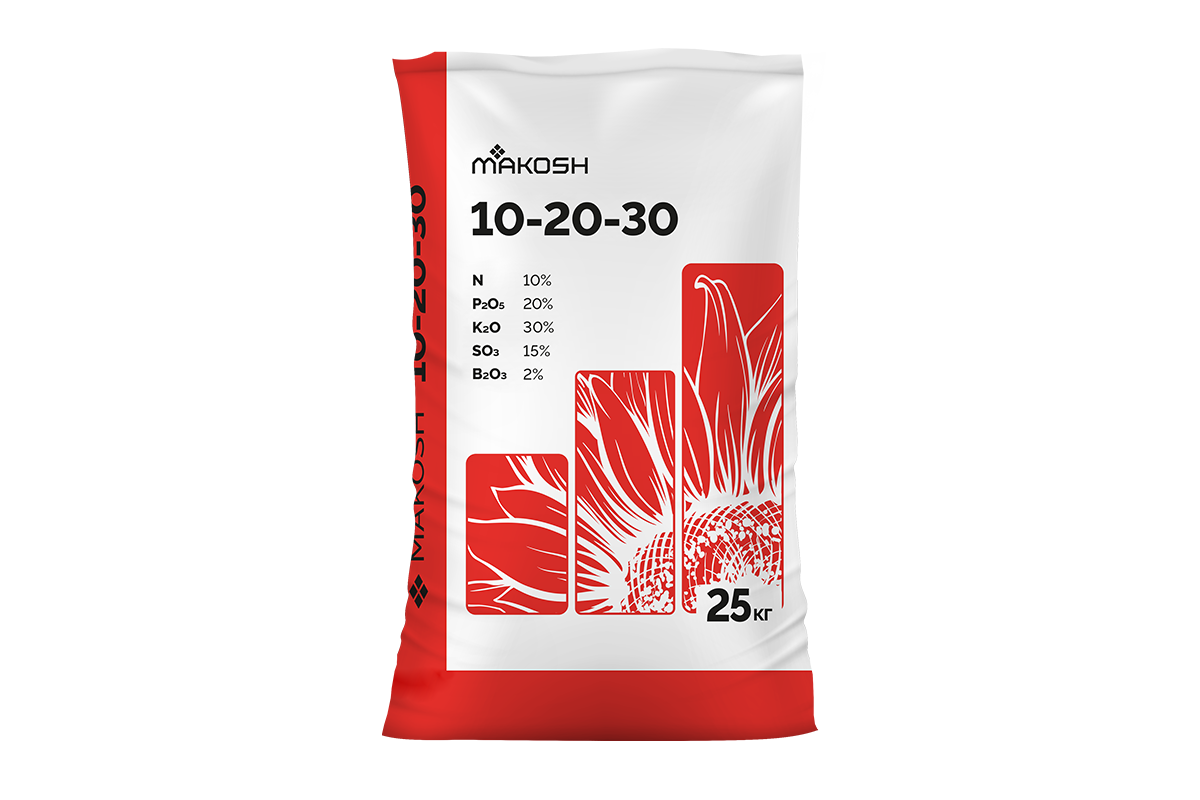
- MAKOSH 10-20-30 – 2-4 kg/ha;
- MAKOSH 10-53-10 – 2-4 kg/ha;
- MAKOSH P 30 – 2-3 l/ha.
Immediately after harvesting and before the first frost, it is recommend take care of fertilizing the plantations with phosphorus-potassium fertilizers and microfertilizers with B and Zn. These fertilizers are well combined with autumn treatments with pesticides (if necessary) and urea, which will help plants to increase winter hardiness and take care of a quality crop next season:
- MAKOSH 10-20-30 – 2-4 kg/ha or MAKOSH 10-53-10 – 2-4 kg/ha or MAKOSH P 30 – 2-3 l/ha;
- MAKOSH B 11 – 1-3 l/ha;
- MAKOSH Zn 8 – 1-3 l/ha.
Makosh agronomic experts will help you to create an individual nutrition scheme for fruit and berry crops within the framework of the FREE “Agronomist 24/7″ program, taking into account soil analysis, soil and climatic conditions and varieties.