


Today, winter rapeseed is one of the most profitable crops and is also a good predecessor in crop rotation. To obtain a high yield, it is necessary to follow a clear technology for growing this crop.
Timely and high-quality performance of field work in combination with mineral nutrition, which should also include trace elements, is the key to obtaining high yields, which is laid in high-quality seed material.
Autumn is an important period of vegetation of winter rapeseed for the formation of resistance to low temperatures, hardening, and later formation of a good harvest. Since seed germination, sprouting, formation of real leaves, rosettes and laying of generative organs take place in autumn, it is necessary to think carefully and balance mineral nutrition. About 70% of the roots of this crop are formed in autumn, so optimal nutrition contributes to the powerful development of the plant, the accumulation of proteins and sugars, which will contribute to a good wintering and rapid recovery of vegetation in spring. Crops should be provided with easily accessible forms of macro- and microelements in autumn. It is generally known that phosphorus and potassium should be applied during the main cultivation, but it is better to nourish with nitrogen during the renewal of vegetation (when the plant needs it the most) and during the period of stem formation.
Application of mineral fertilizers
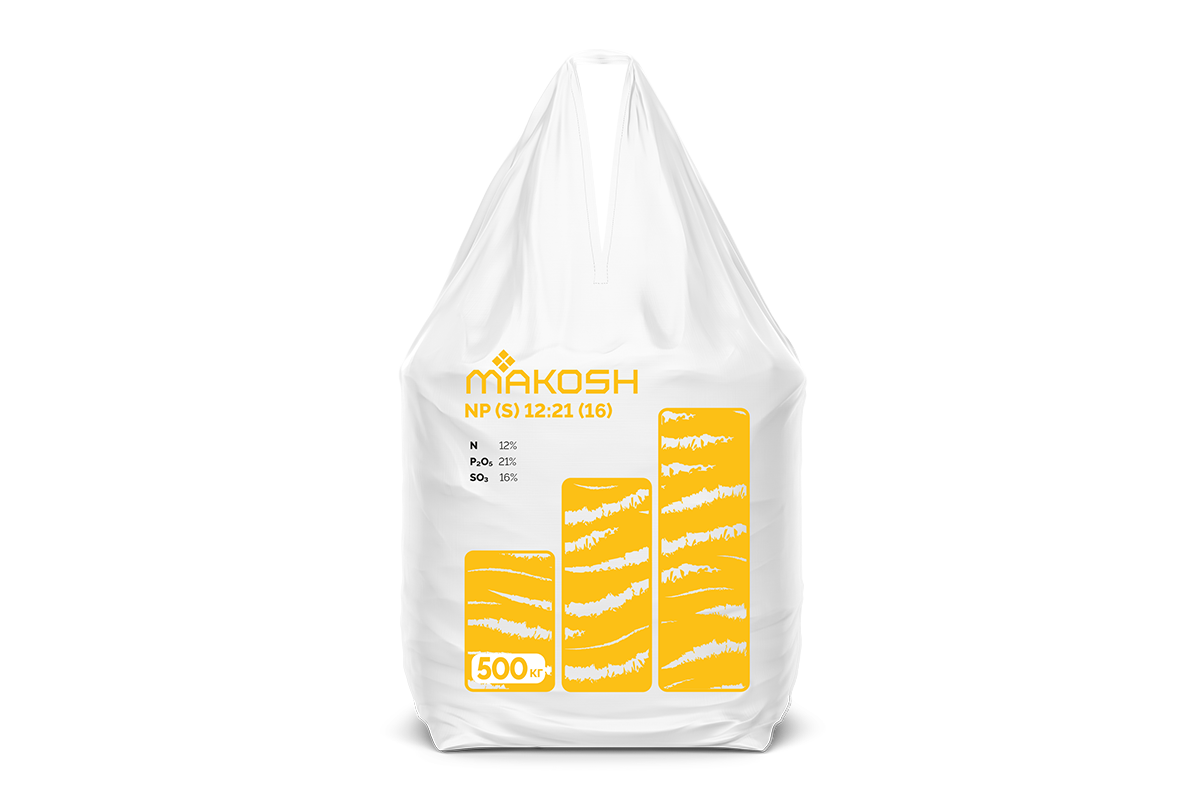
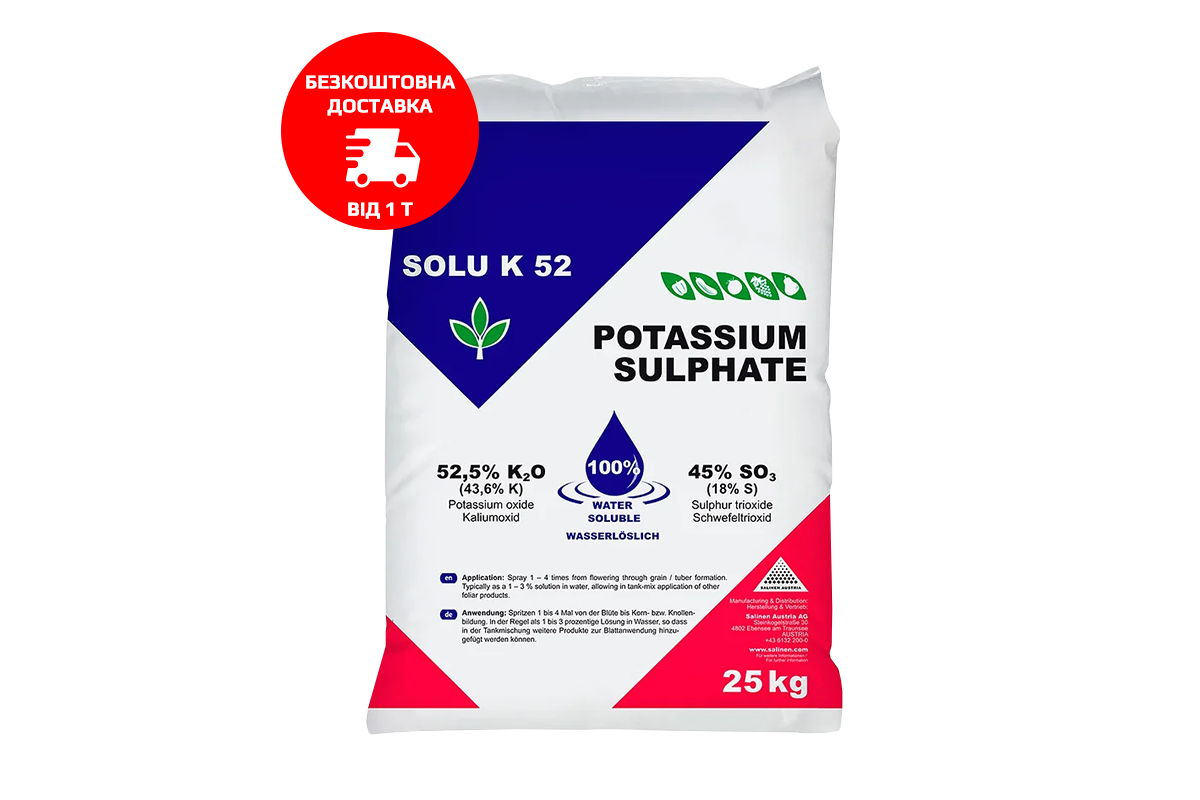
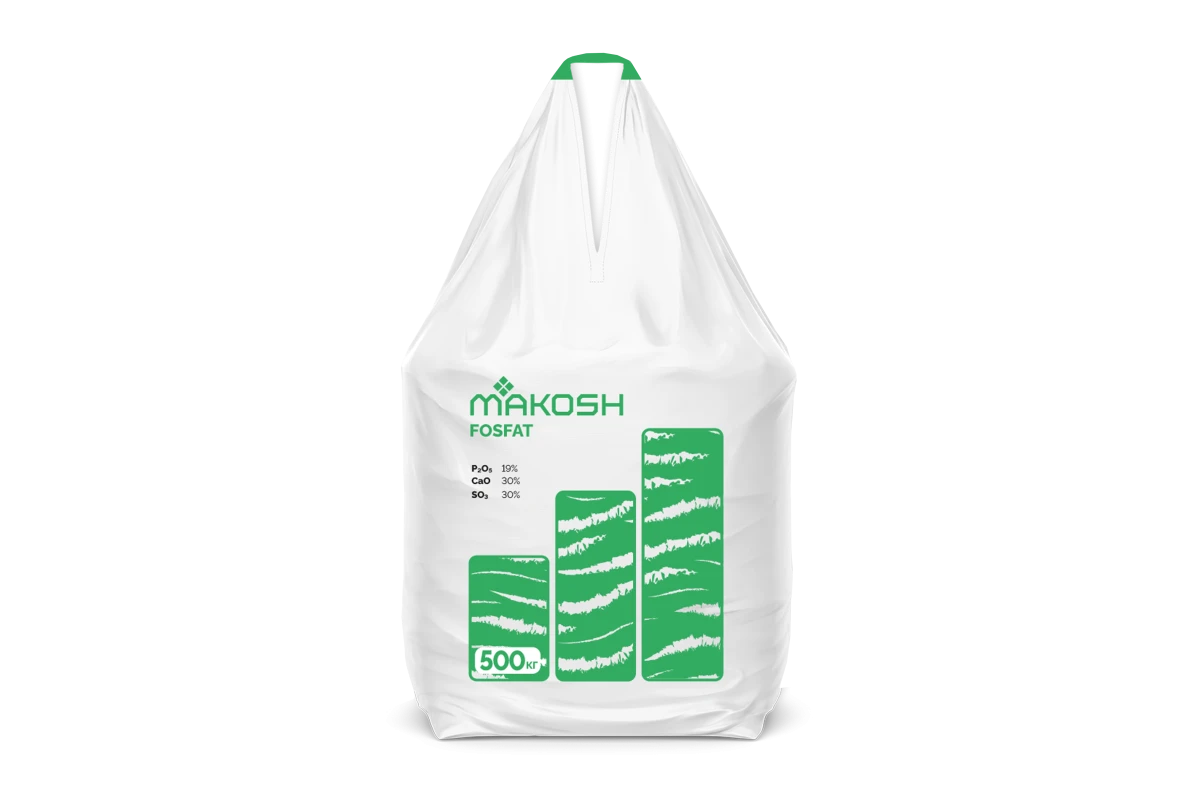
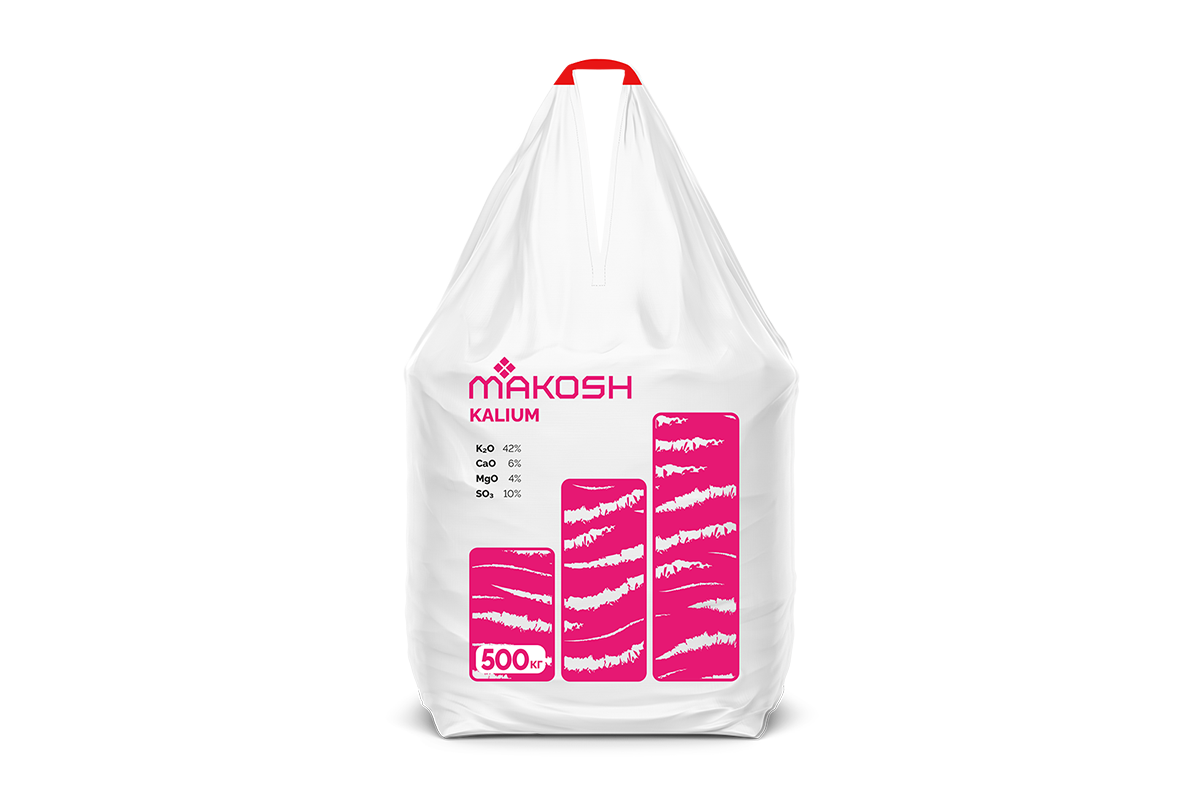
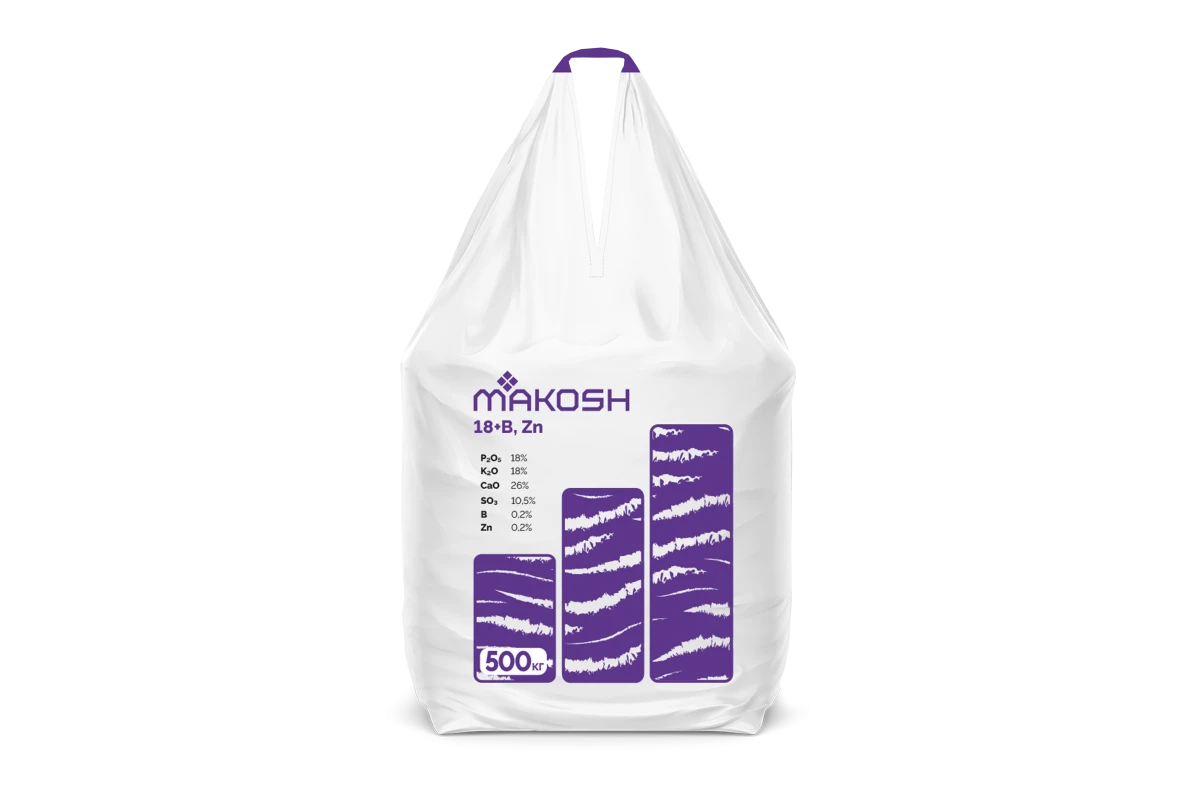
The company “Makosh” recommends applying such products as SUPERFOSFAT MAKOSH z mikroelementami (B, Zn) (150-250 kg/ha), MAKOSH 18+ B, Zn (150-300 kg/ha) or Kalium MAKOSH (120-250 kg/ha) for the main cultivation. The first two fertilizers contain boron, which will prevent the appearance of hollowness on young plants. During the sowing campaign, you should use MAKOSH NPK 12:24:12 + 8,5S (100-150 kg/ha) or other fertilizers of your choice from the company’s range (the manager will provide a complete list of fertilizers).
Autumn foliar fertilization
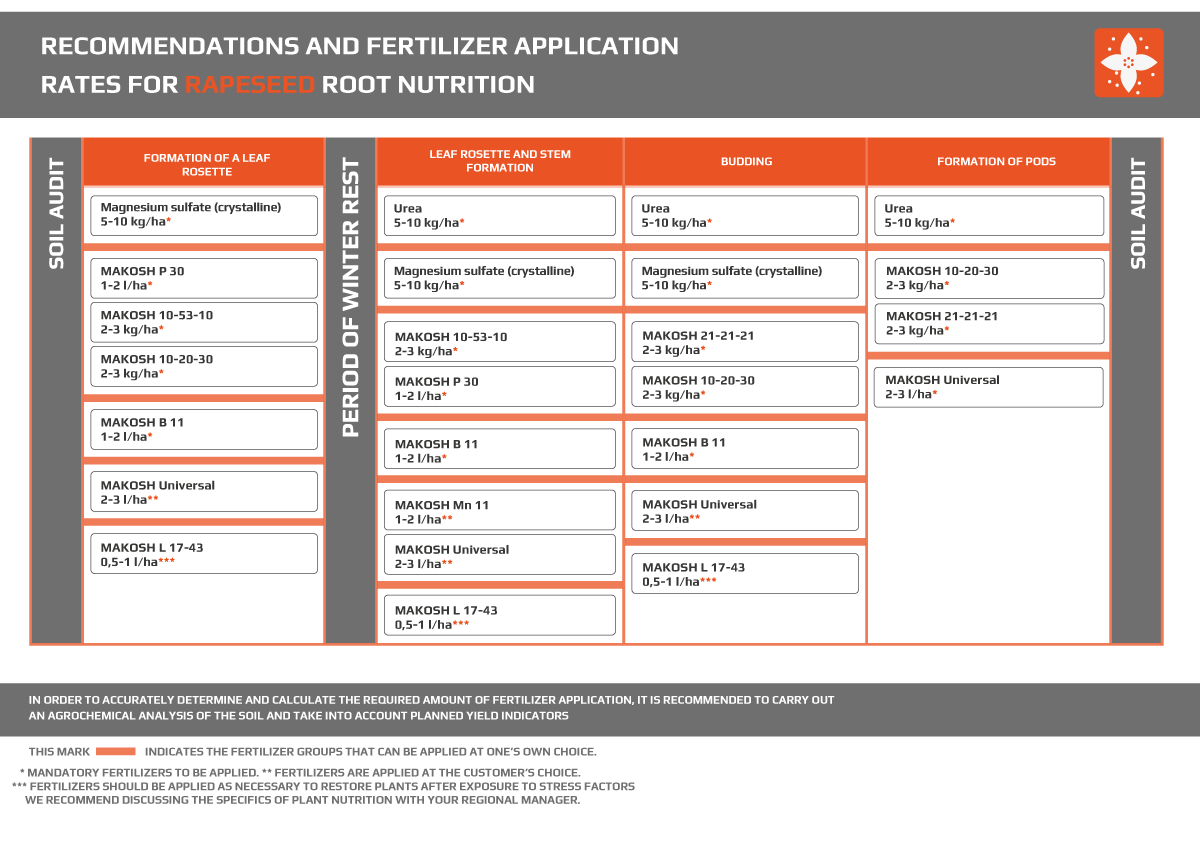
In the phase of leaf rosette formation, winter rapeseed actively accumulates carbohydrates for successful overwintering. Boron nutrition is important at this time, as a deficiency can lead to negative consequences, such as hollowness and cracking of the root collar, which has a major impact on the crop’s overwintering and overall yield. Foliar nutrition is recommended:
-
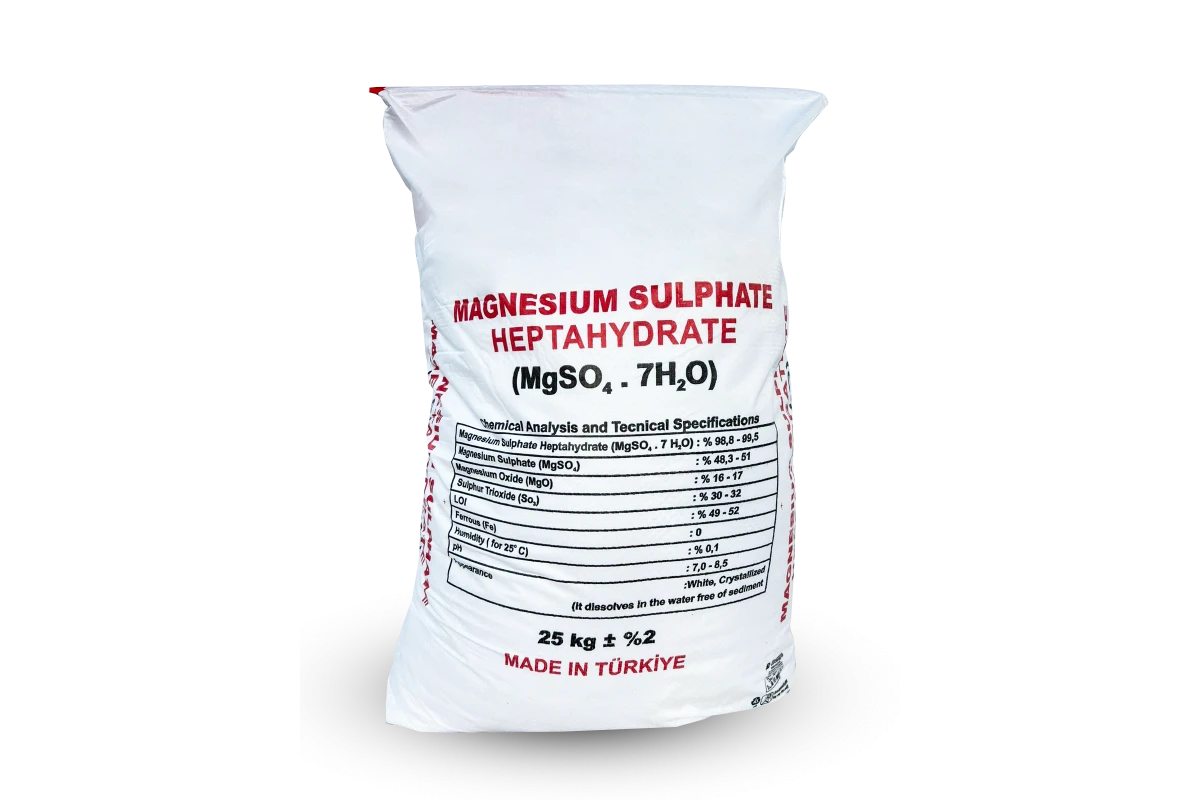
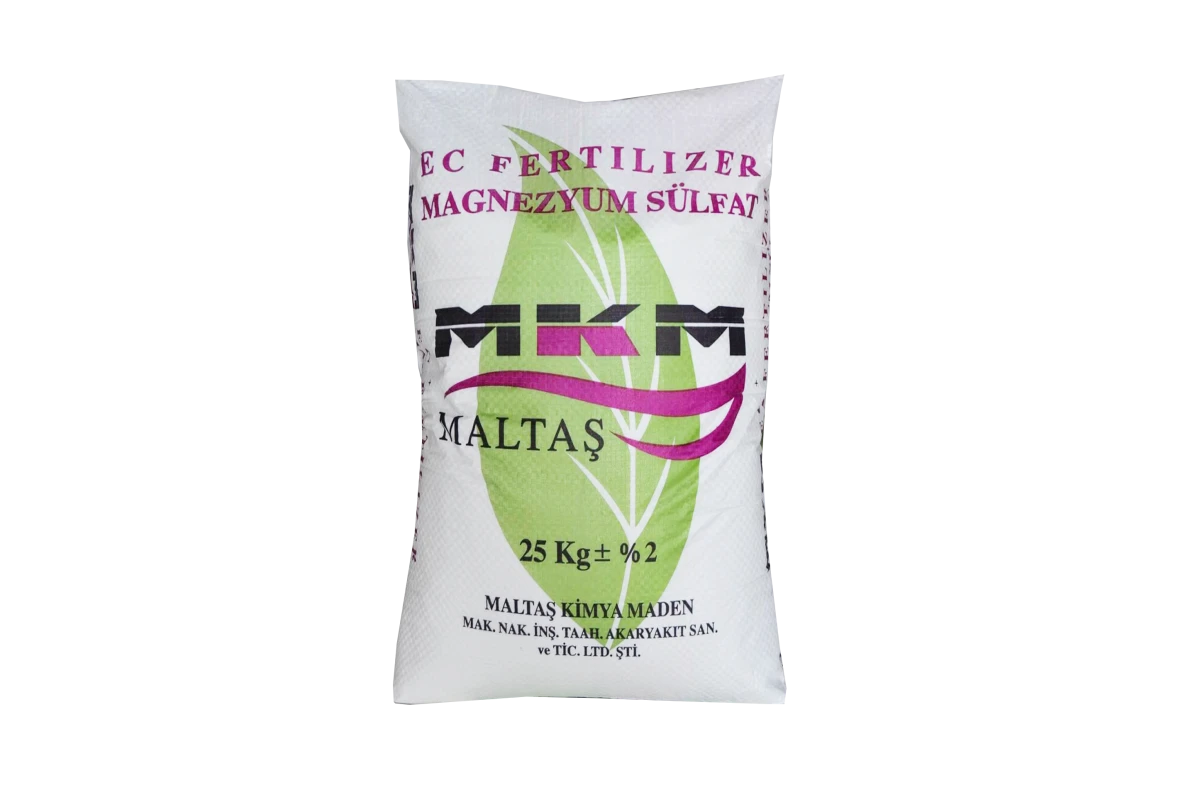
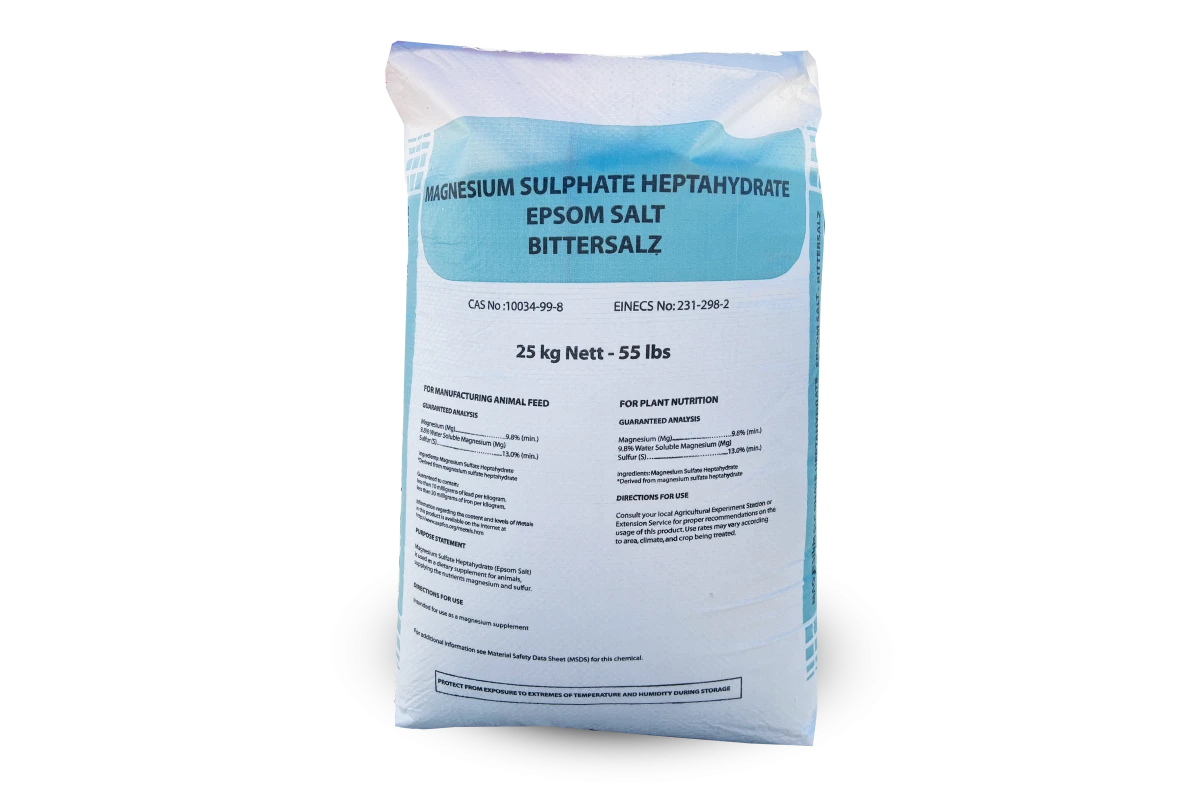
Magnesium sulphate crystalline (heptahydrate) – 5-10 kg/ha;
-
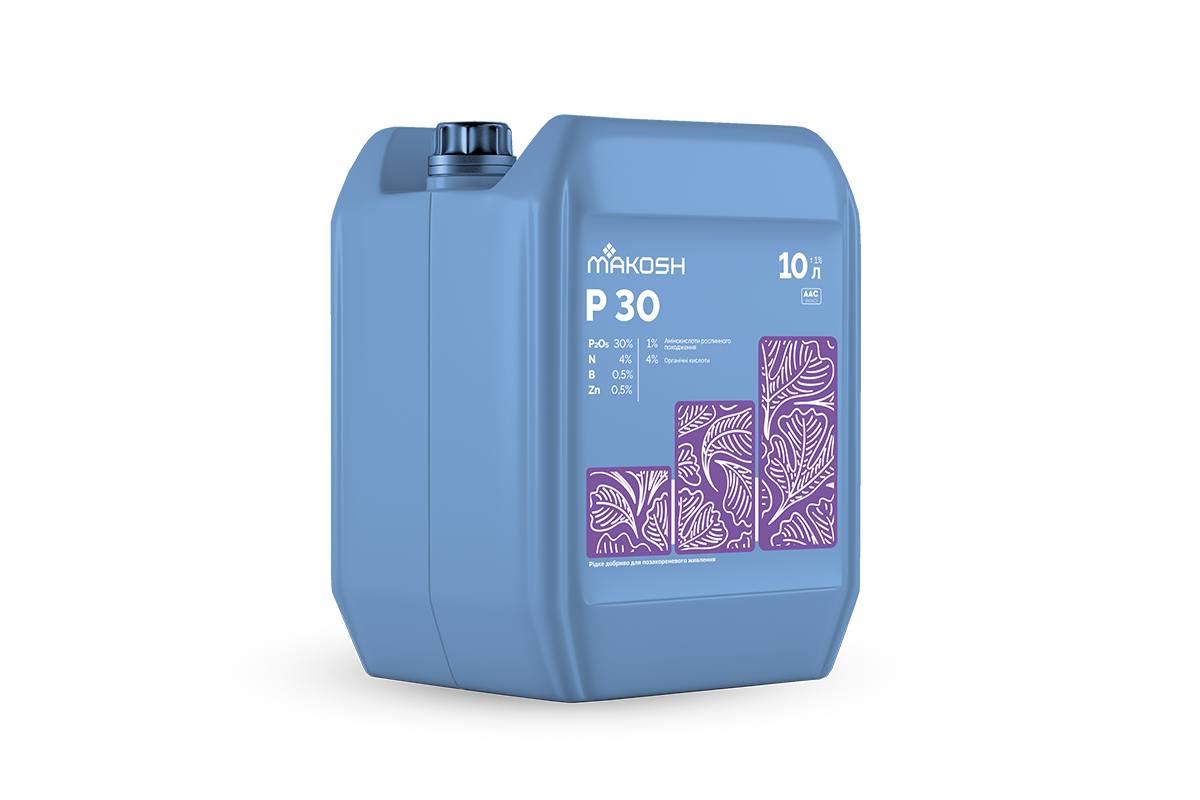
MAKOSH 10-53-10 – 2-3 kg/ha or MAKOSH P 30 1-2 l/ha;
-
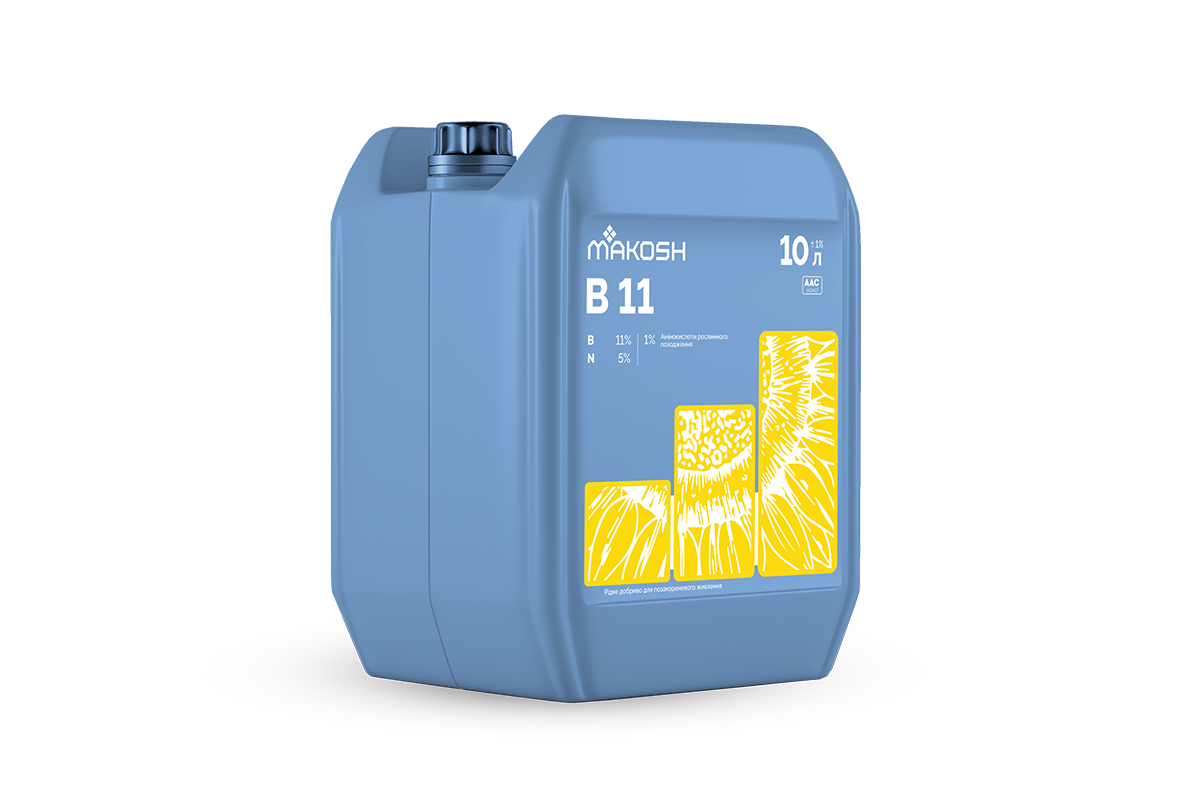
MAKOSH B 11 1-2 l/ha.
This nutrition will improve photosynthesis and carbohydrate accumulation, and the provision of boron will prevent the negative effects of its deficiency.
Early spring fertilization
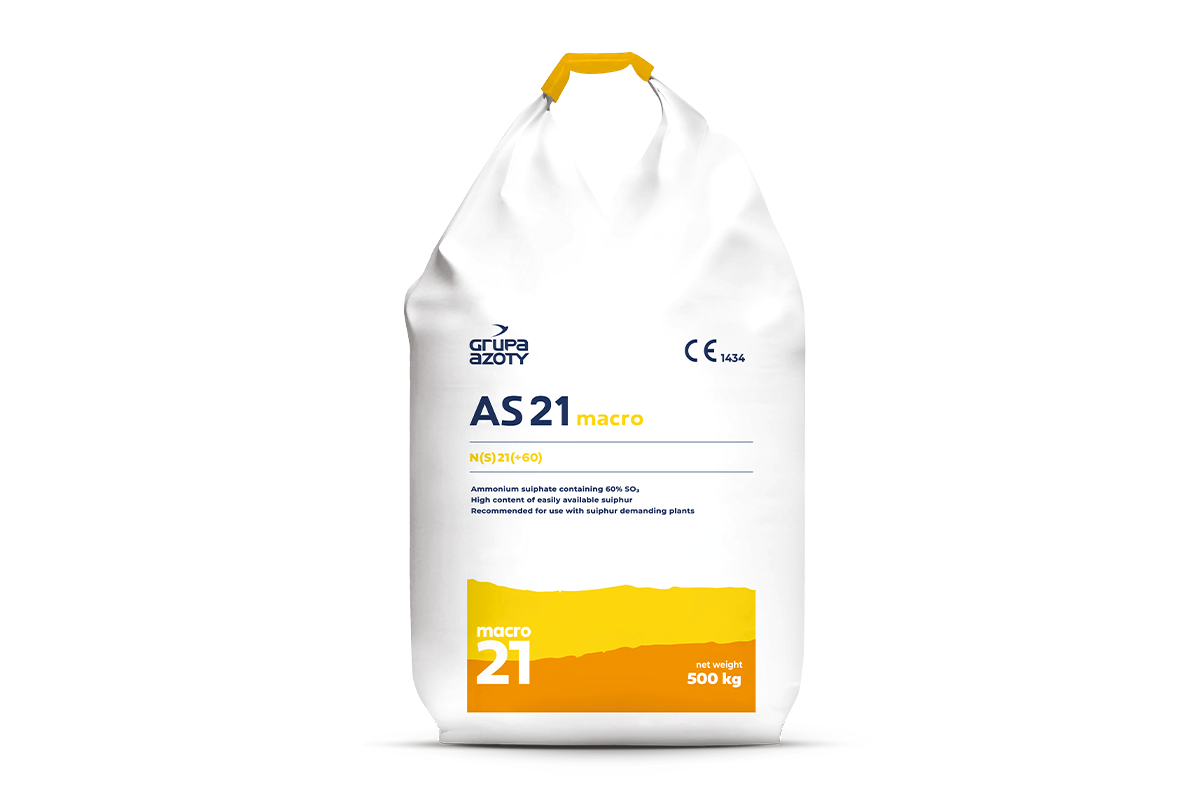
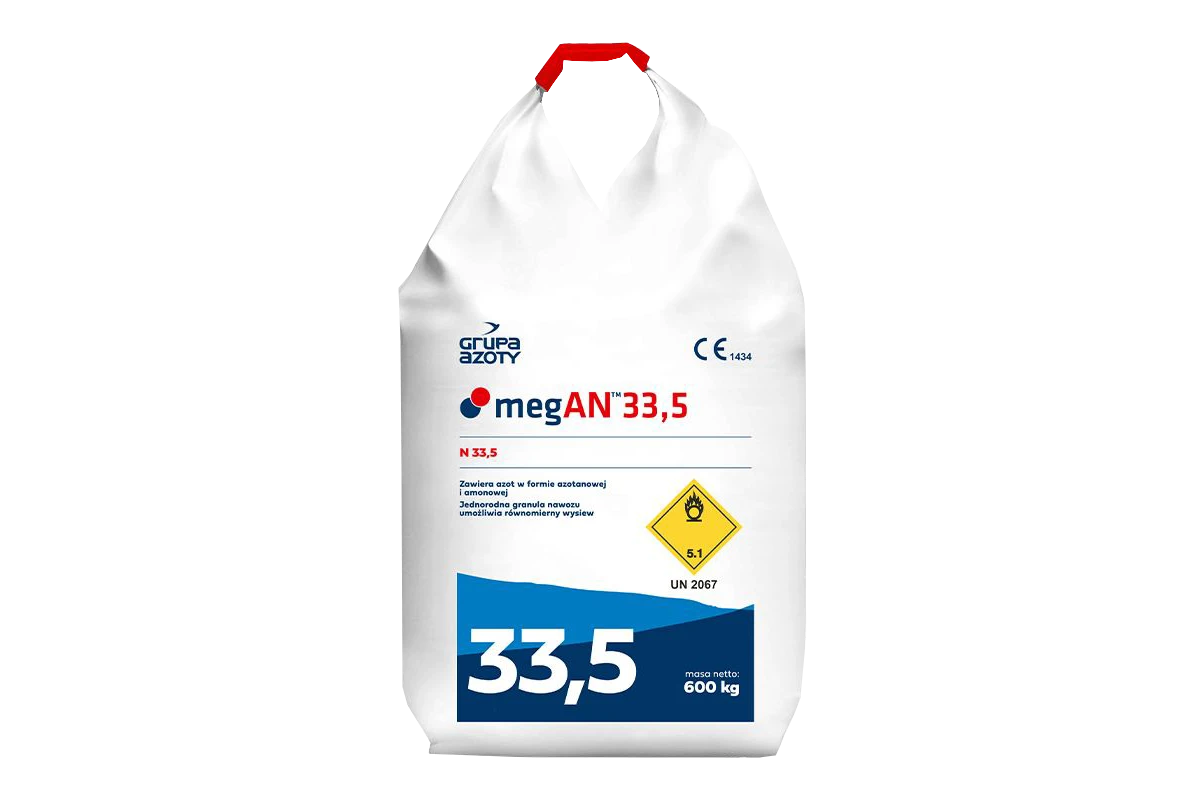
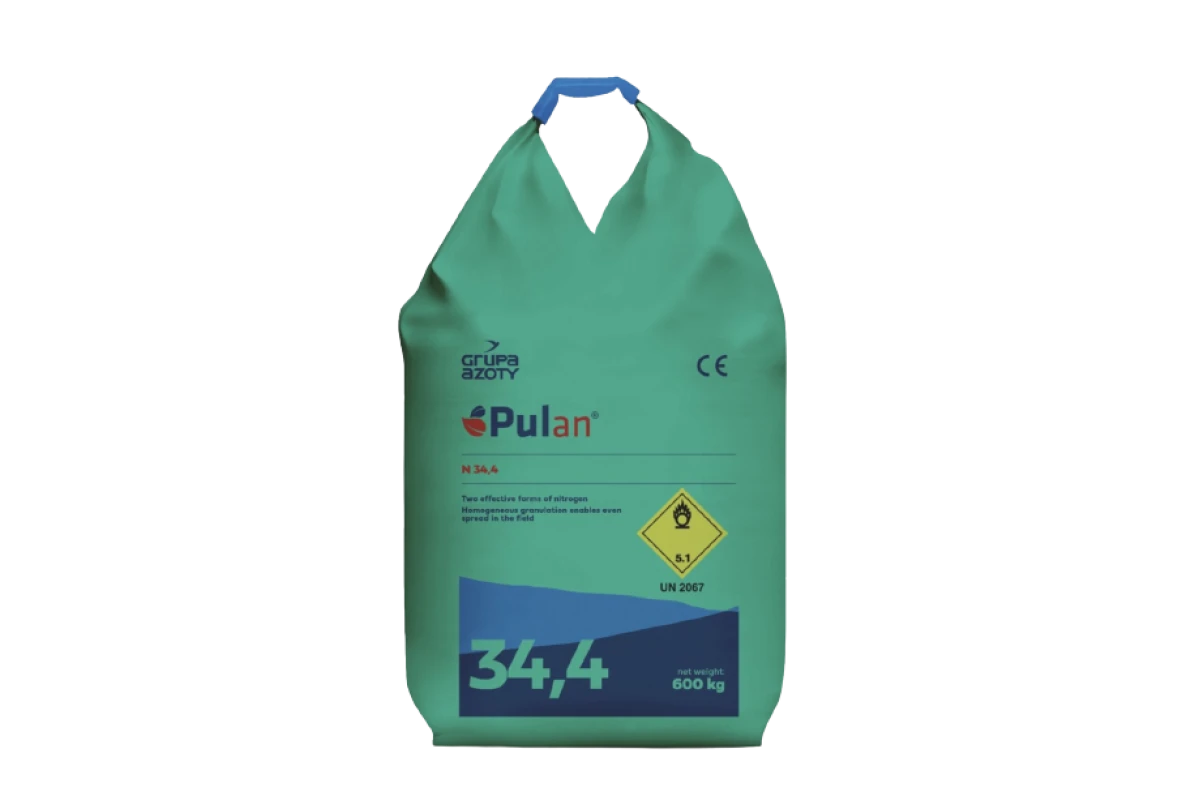
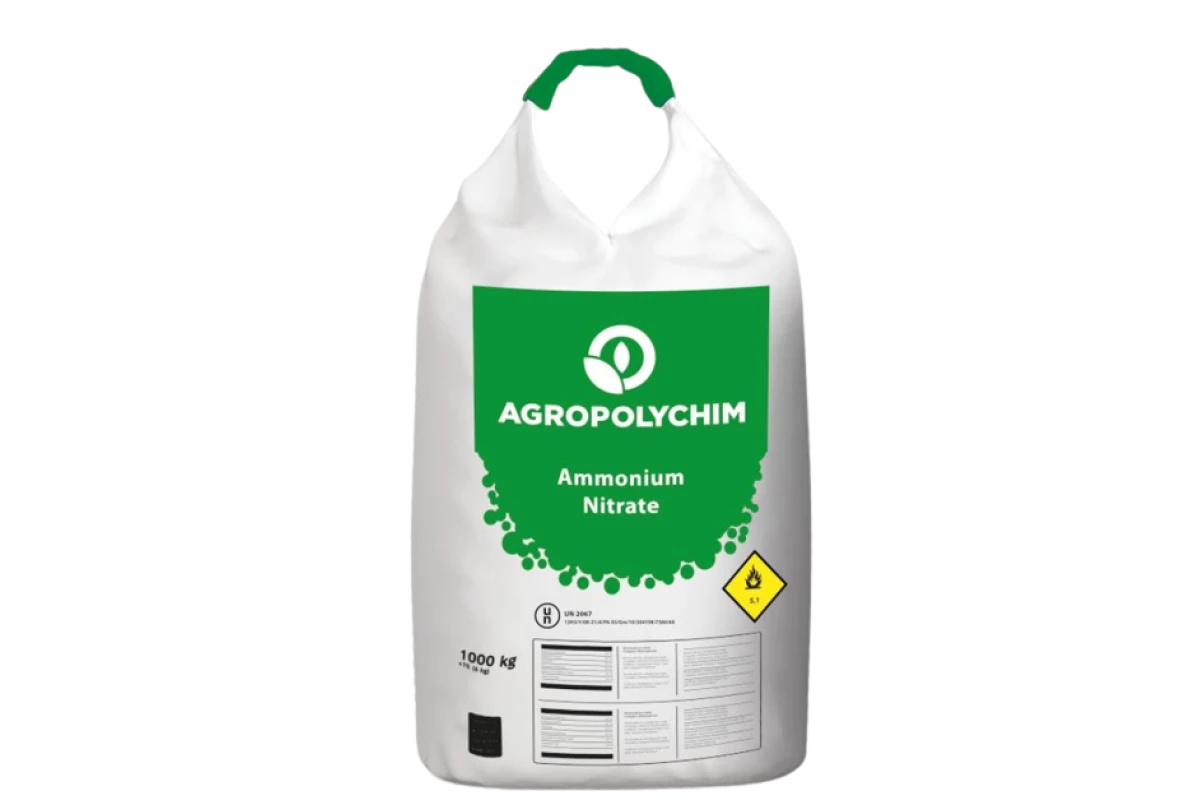
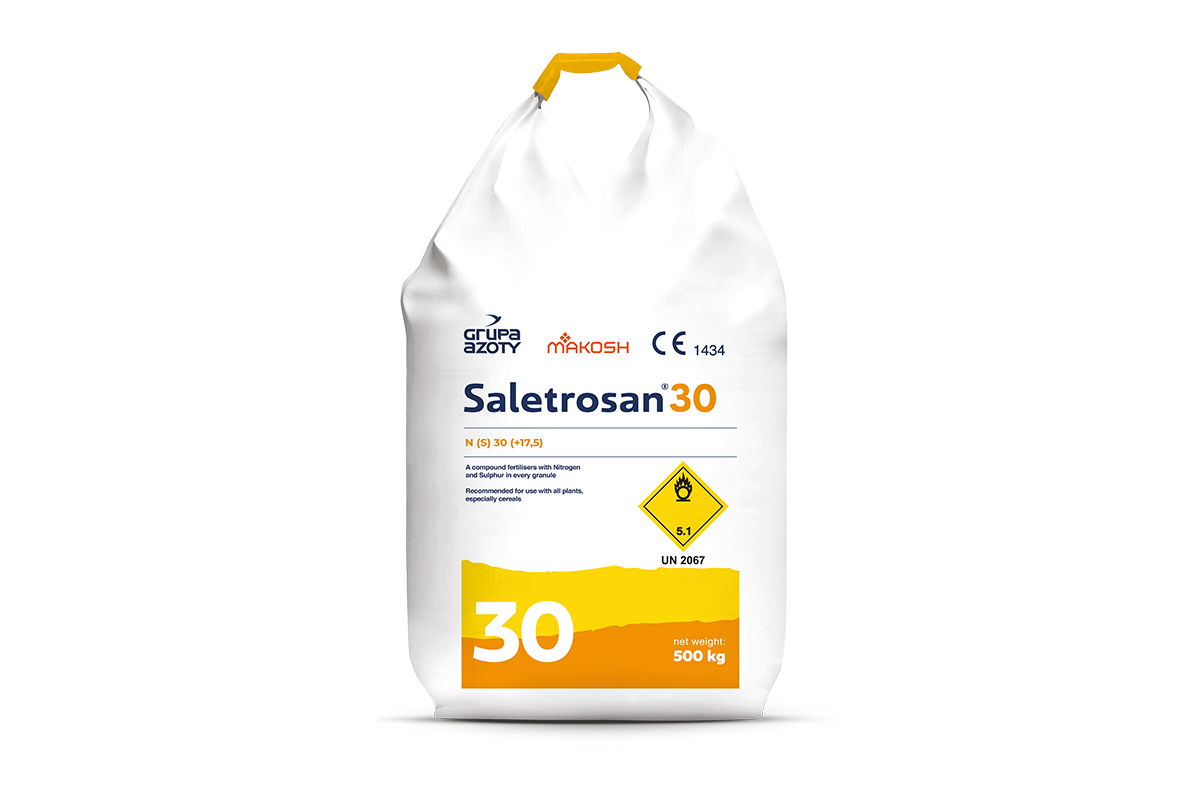
In the spring, in order to “program” the plants for a high yield, it is recommended to carry out fertilizing with nitrogen and sulfur through the frozen ground by applying PULAN AMMONIUM NITRATE 200-400 kg/ha and MagSul 150-200 kg/ha or a fertilizer that combines nitrogen and sulfur, SALETROSAN 30 150-200 kg/ha.
Foliar fertilization after vegetation recovery
During the formation of the leaf rosette and stems in spring, it is necessary to carry out a complex nutrition on the leaf with the following fertilizers:
-
Urea – 5 kg/ha;
-
Magnesium sulphate crystalline (heptahydrate) – 5-10 kg/ha;
-
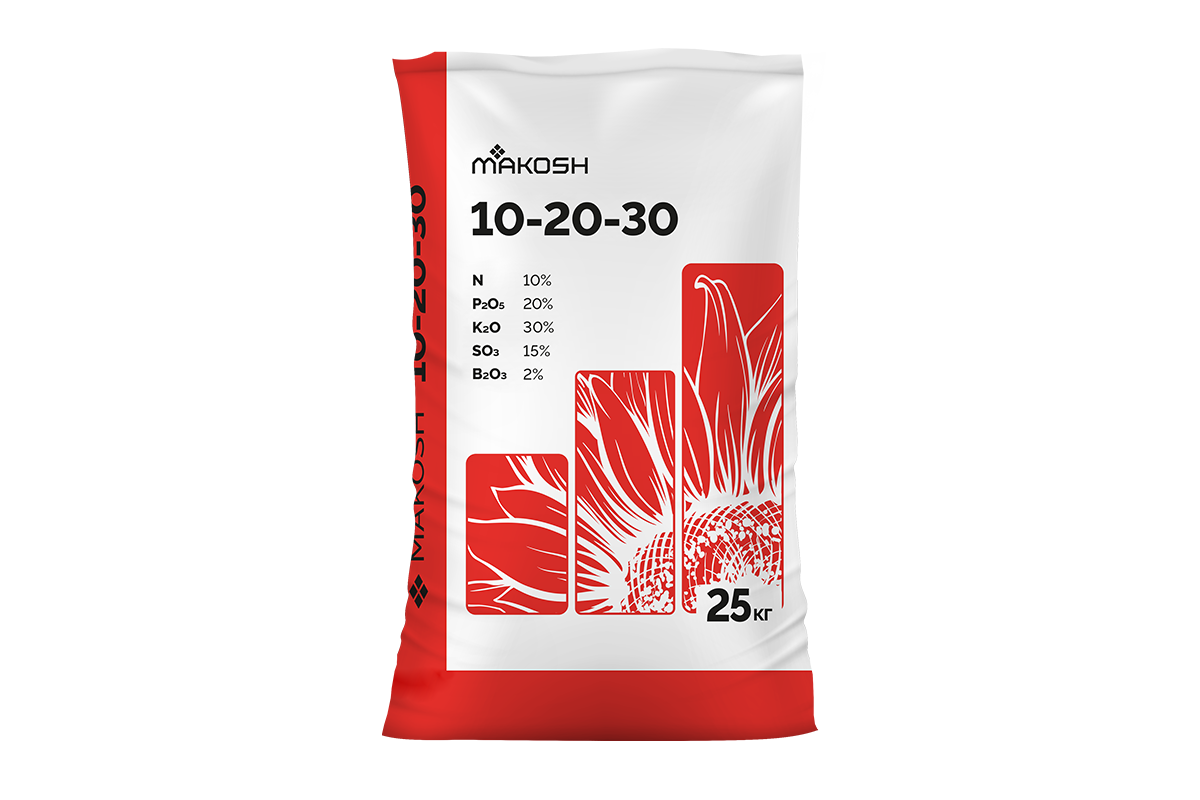
MAKOSH 10-20-30 or MAKOSH 21-21-21 – 2-3 kg/ha;
-
MAKOSH B 11 1-2 l/ha.
These fertilizers can also be used during the budding phase, which will significantly improve flowering and have a direct impact on oil content.
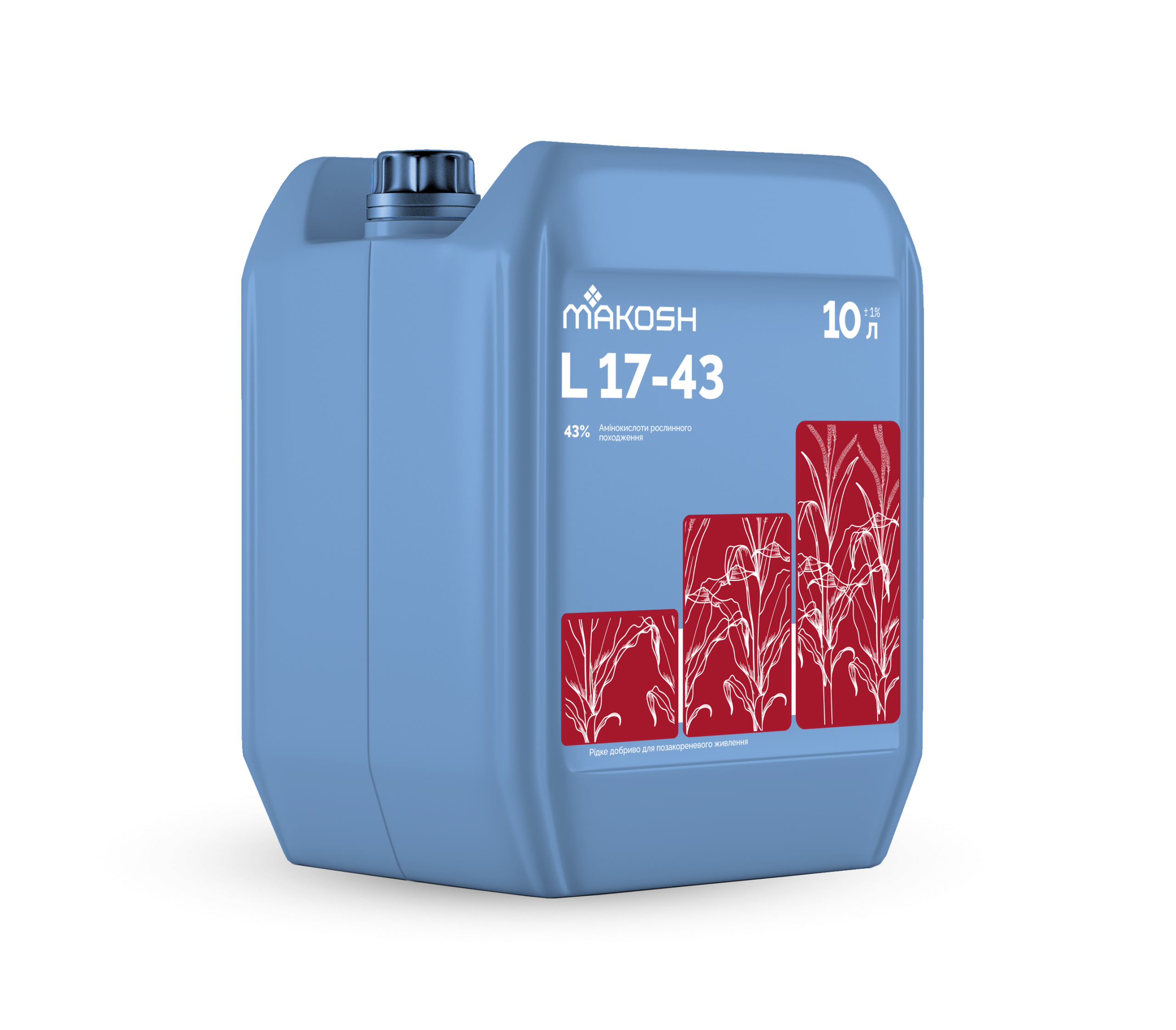
In case of unfavorable conditions, it is recommended to use MAKOSH L 17-43 – 0.5-1 l/ha.