


High-quality and timely nutrition of sugar beet is the most important and integral part of the harvest, as this crop consumes the most nutrients.
In the sugar beet nutrition system, the following stages of fertilizer application are distinguished: for plowing, pre-sowing and fertilization in the row spacing, before closing the rows. It is worth remembering that the bulk of fertilizers should be applied in autumn for plowing.
Application of mineral fertilizers
Sugar beet absorbs nutrients throughout the growing season. At the beginning of growth, sugar beet consumes relatively small amounts of nitrogen, phosphorus and potassium. This is due to the fact that at this time its root system is still poorly developed, so young plants are quite sensitive to the presence of mobile nutrient compounds in the soil, especially phosphorus. For the best possible start of sugar beet growth, fertilizer should be applied in the rows. Makosh company agronomists recommend applying the following fertilizers:
-
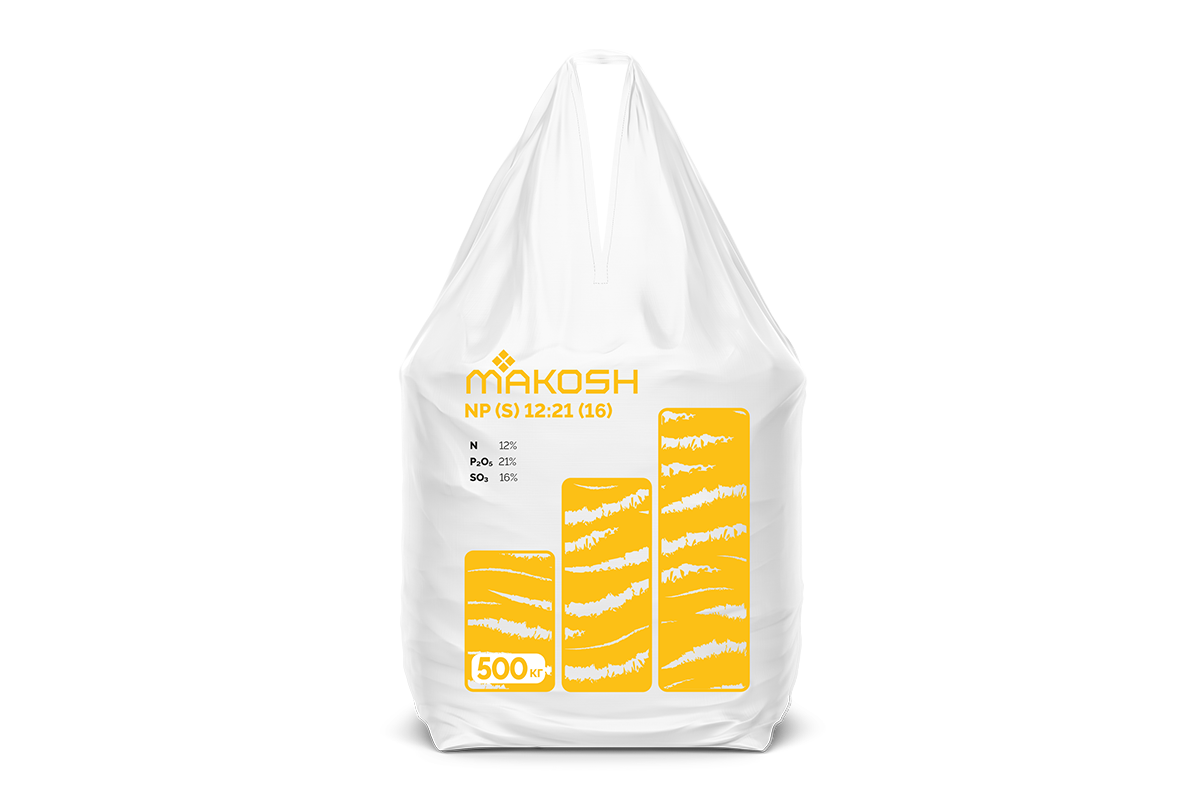
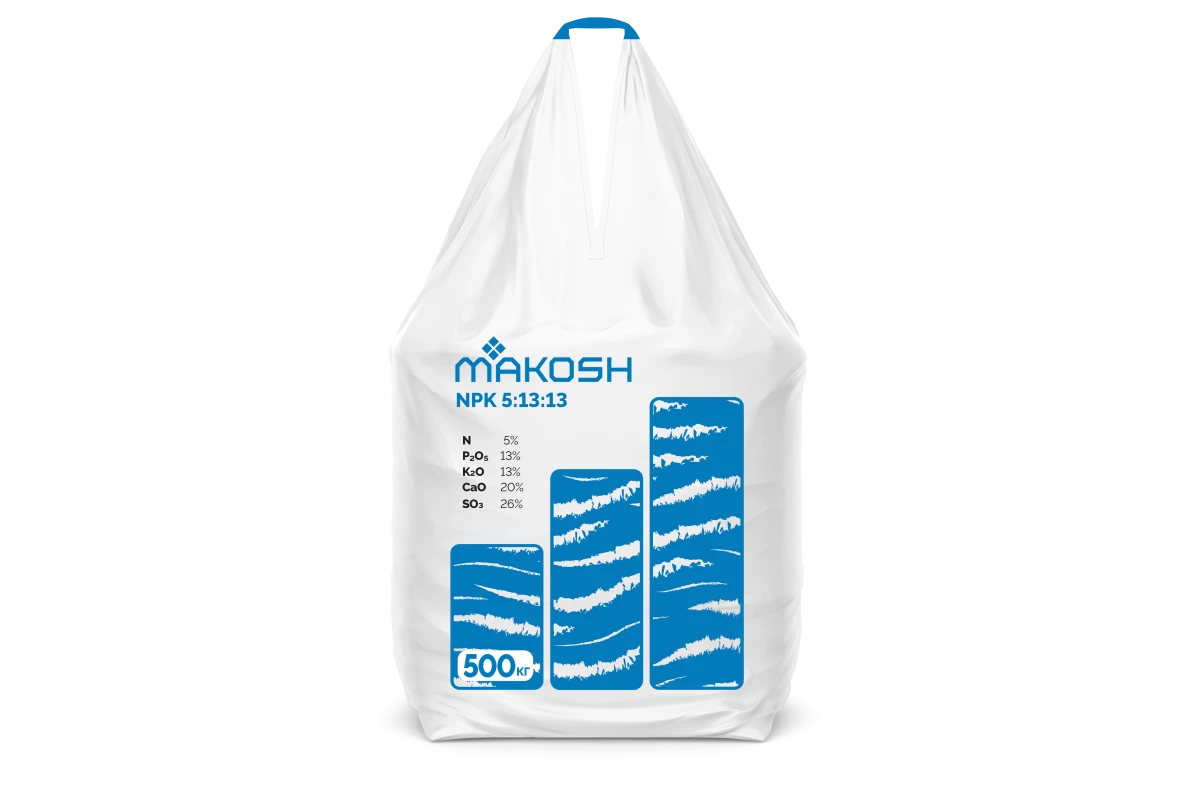
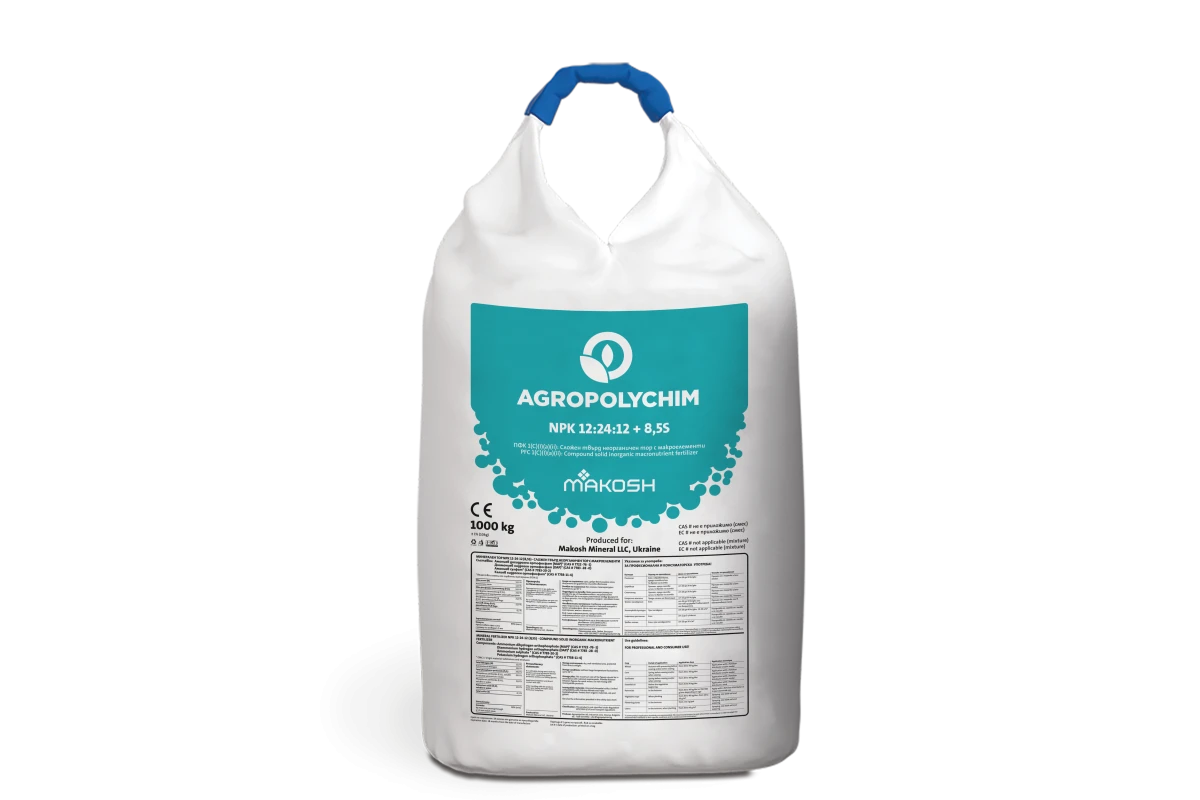
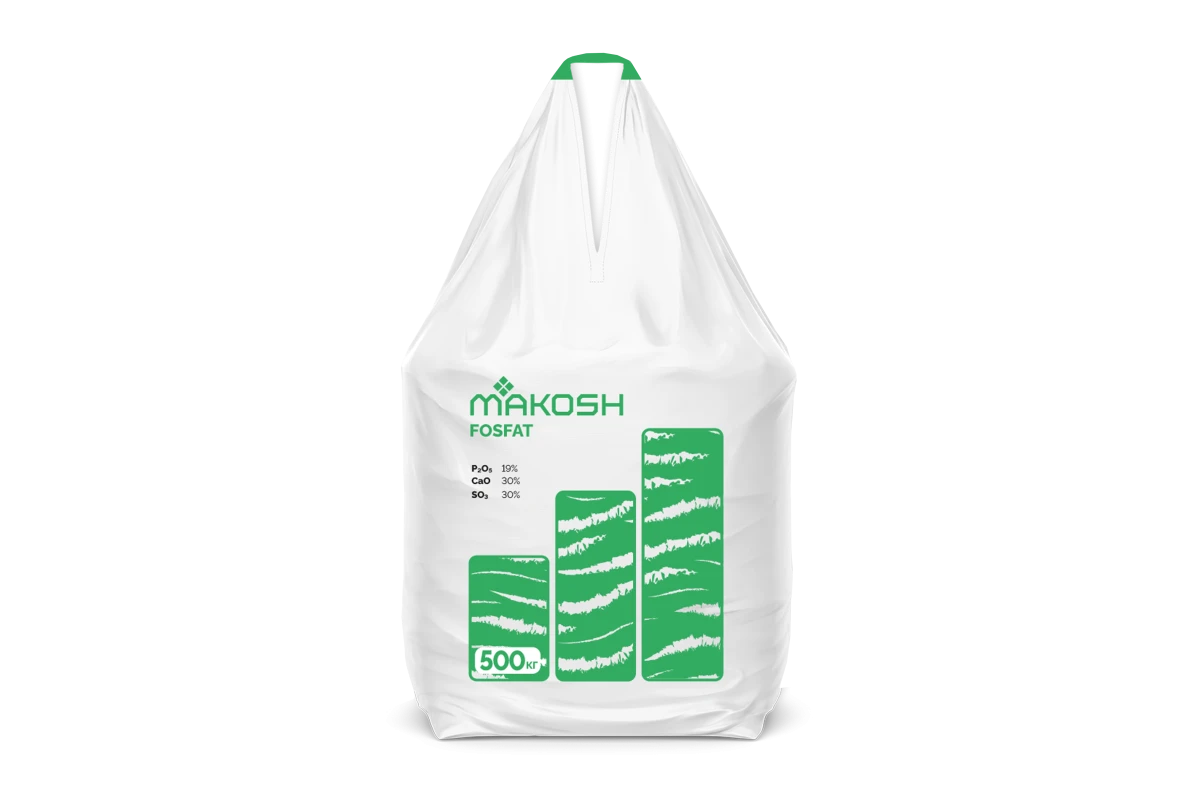
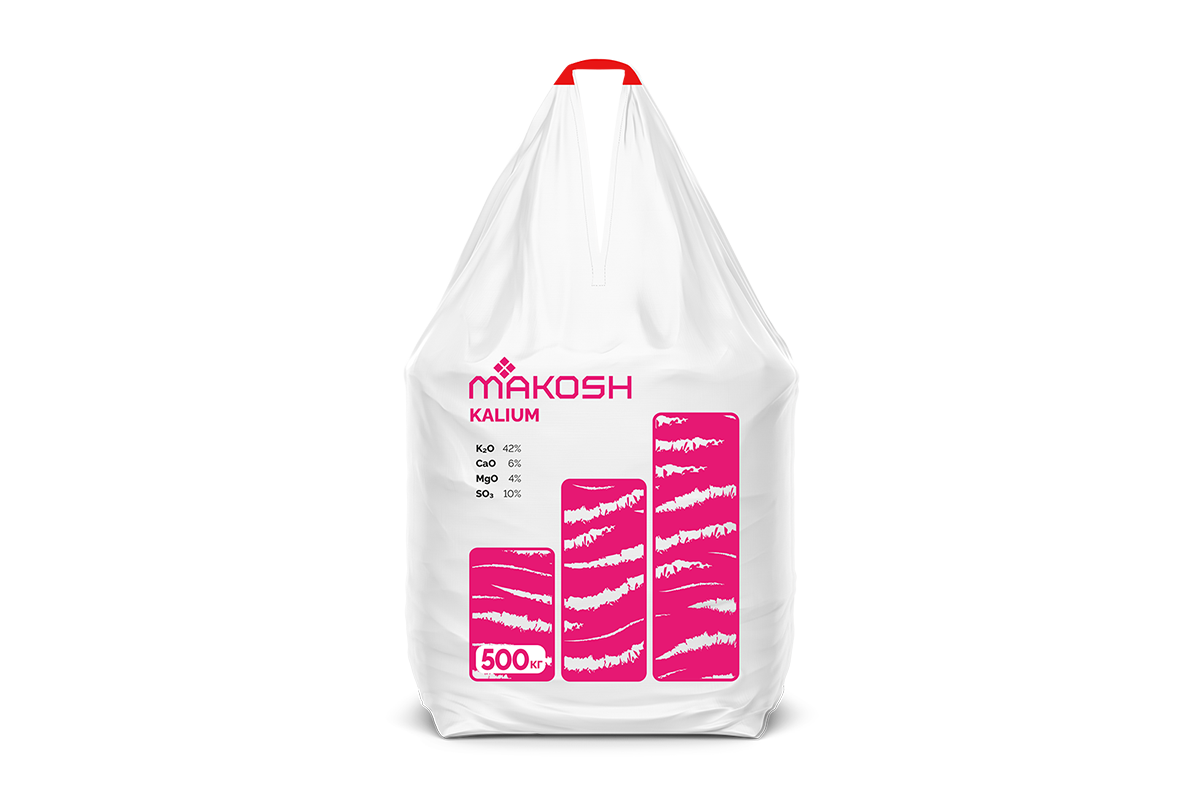
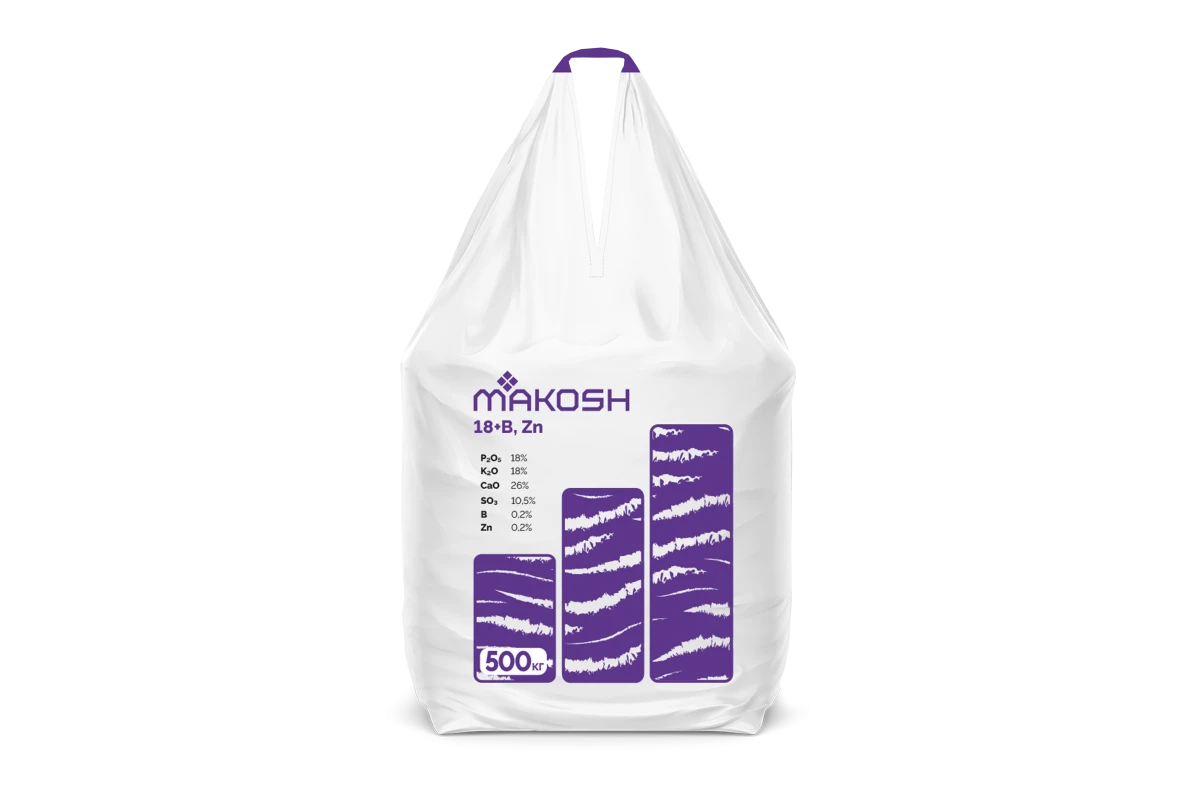
for the main application of SUPERFOSFAT MAKOSH z mikroelementami (B, Zn) (200-300 kg/ha) and Kalium MAKOSH (150-250 kg/ha);
-
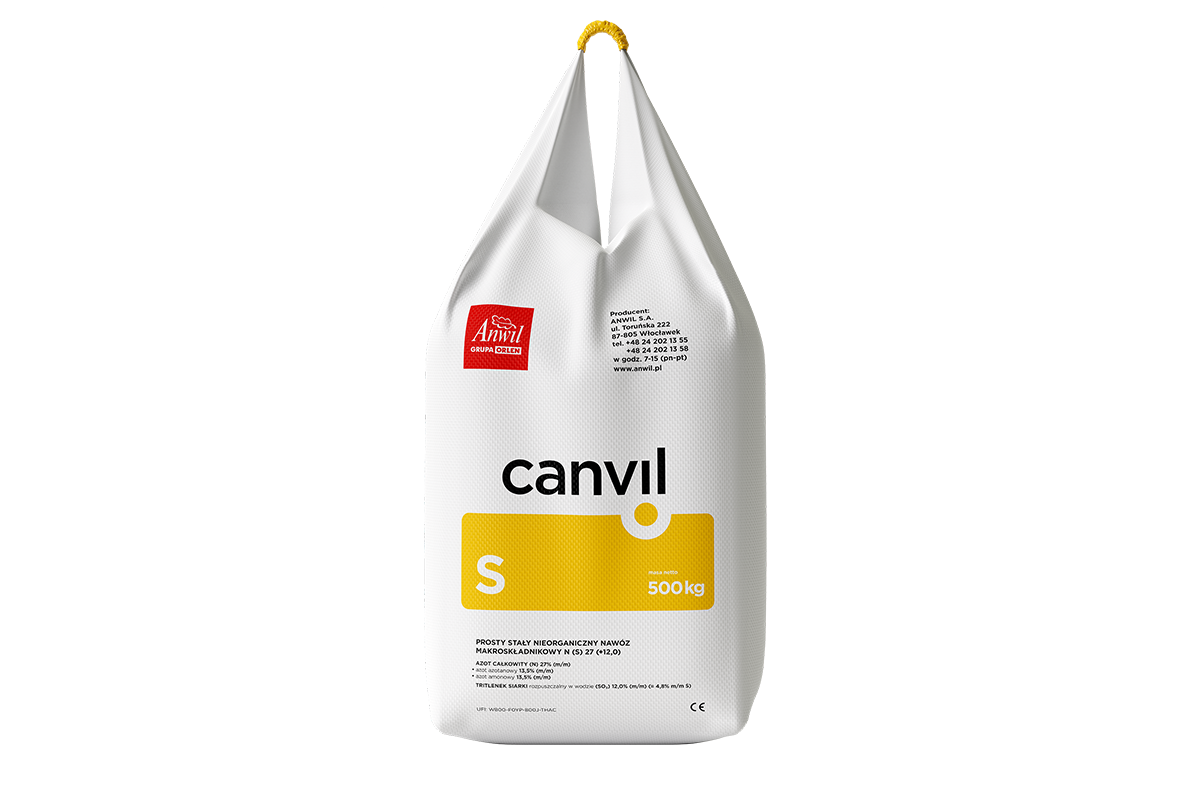
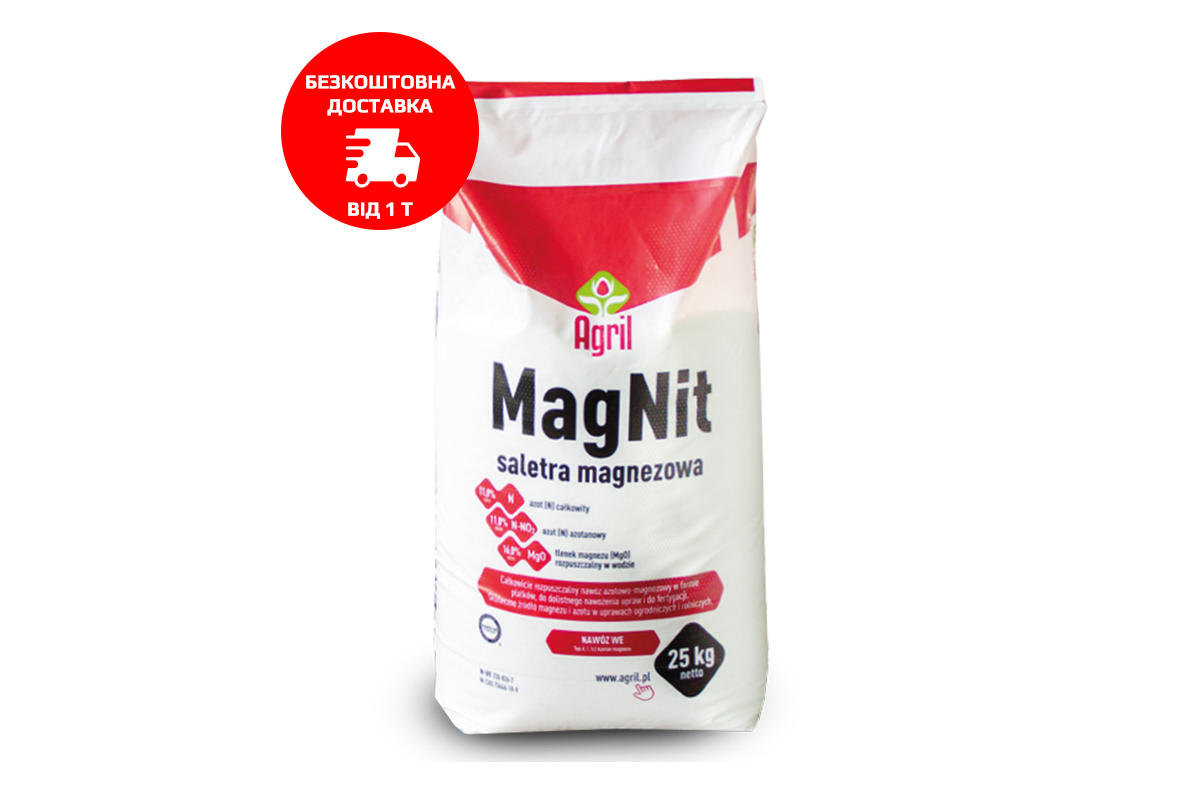
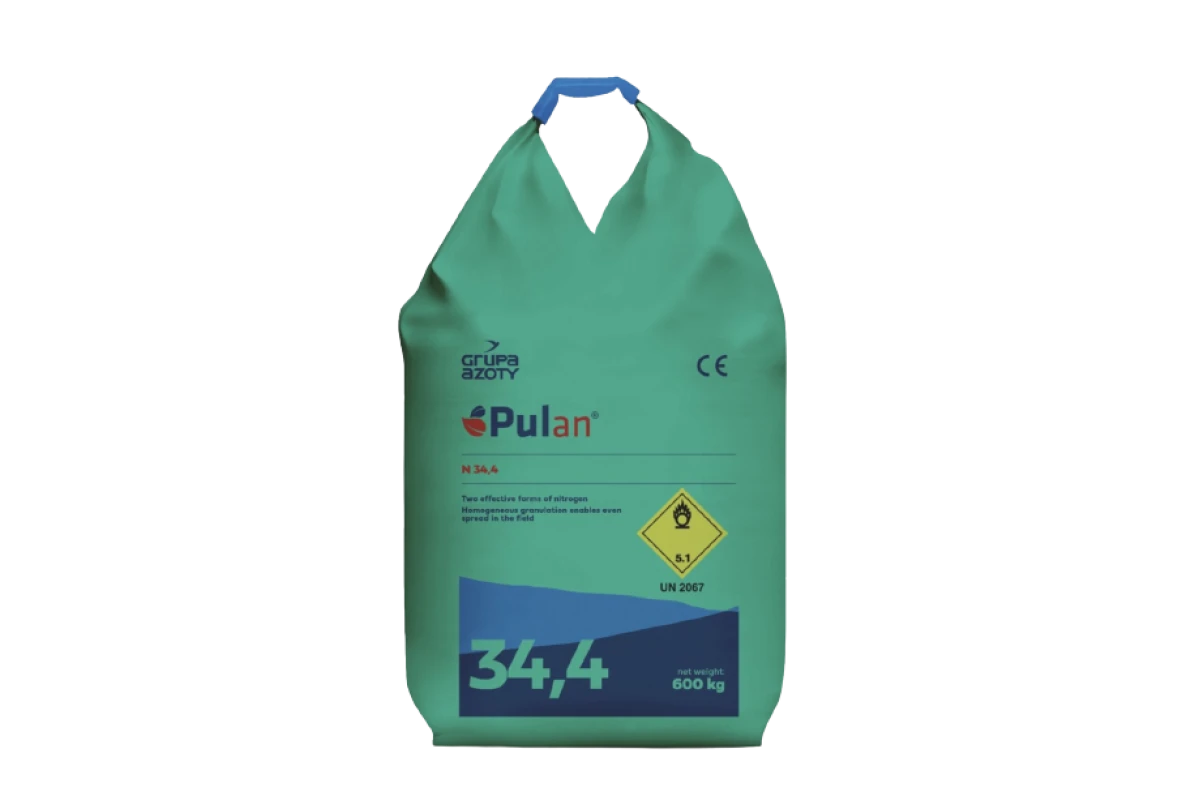
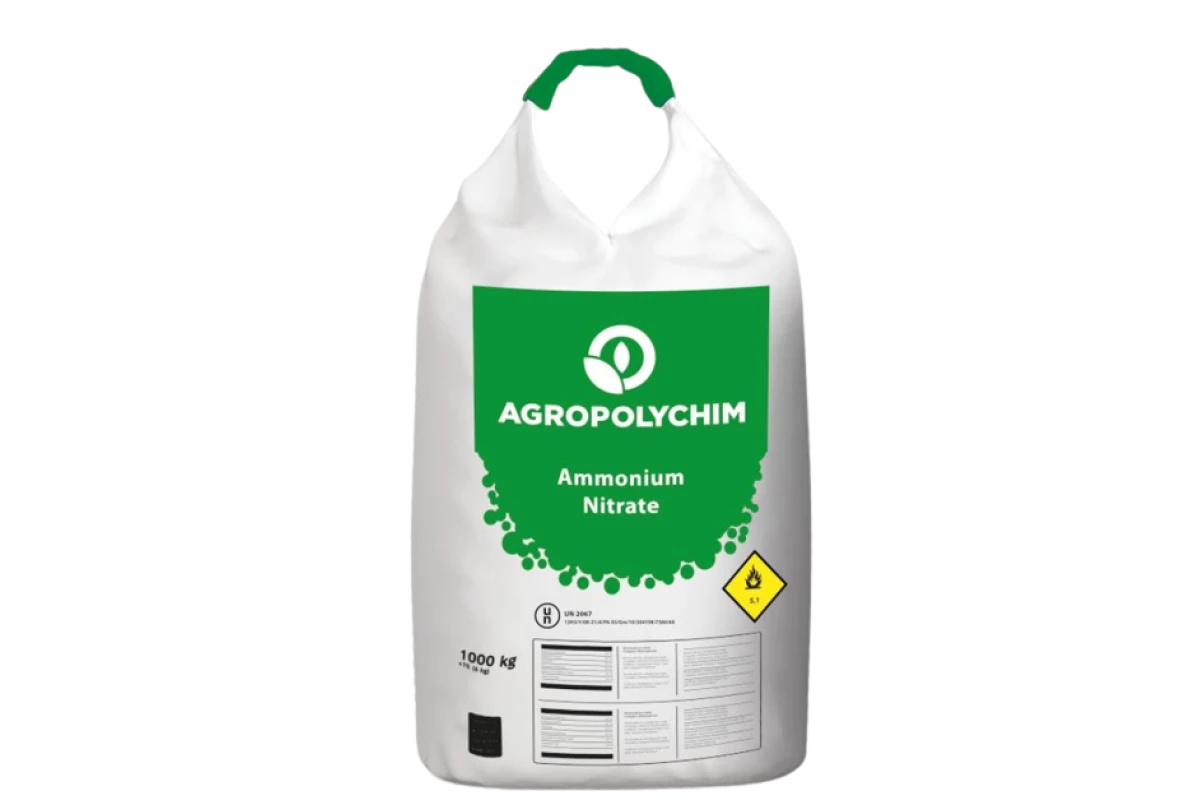
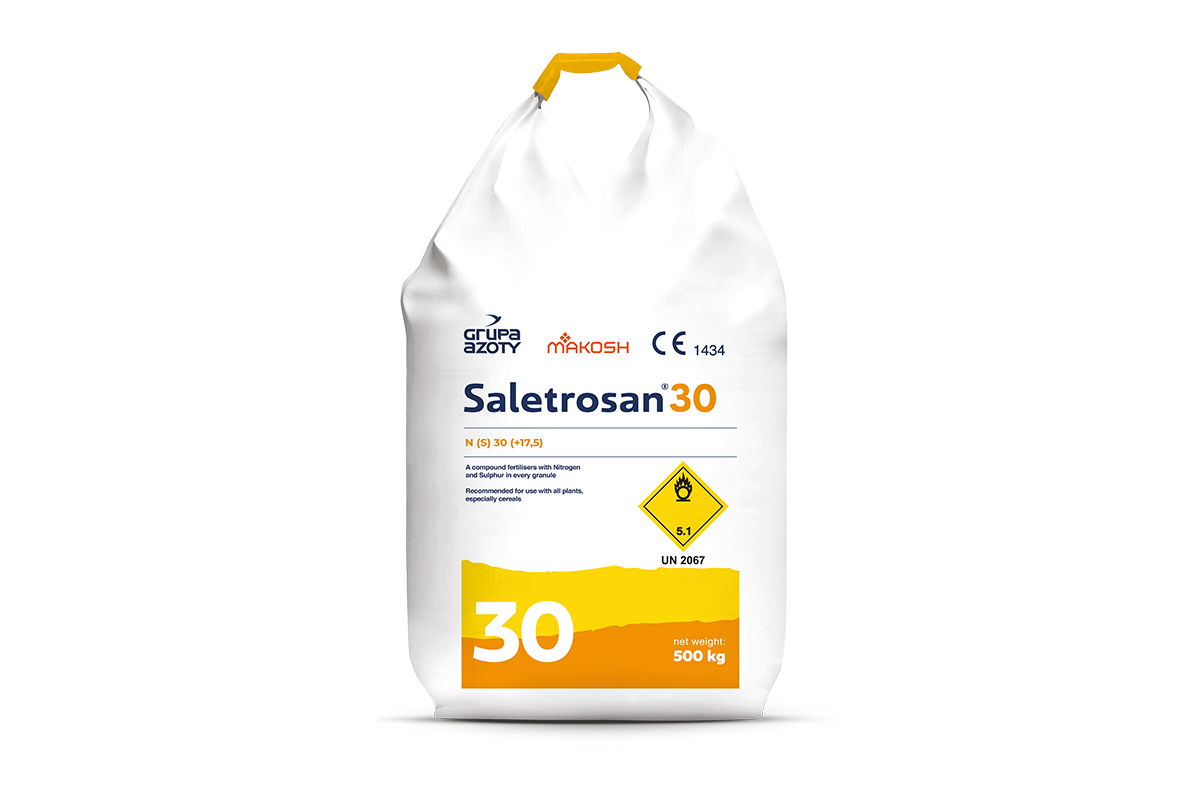
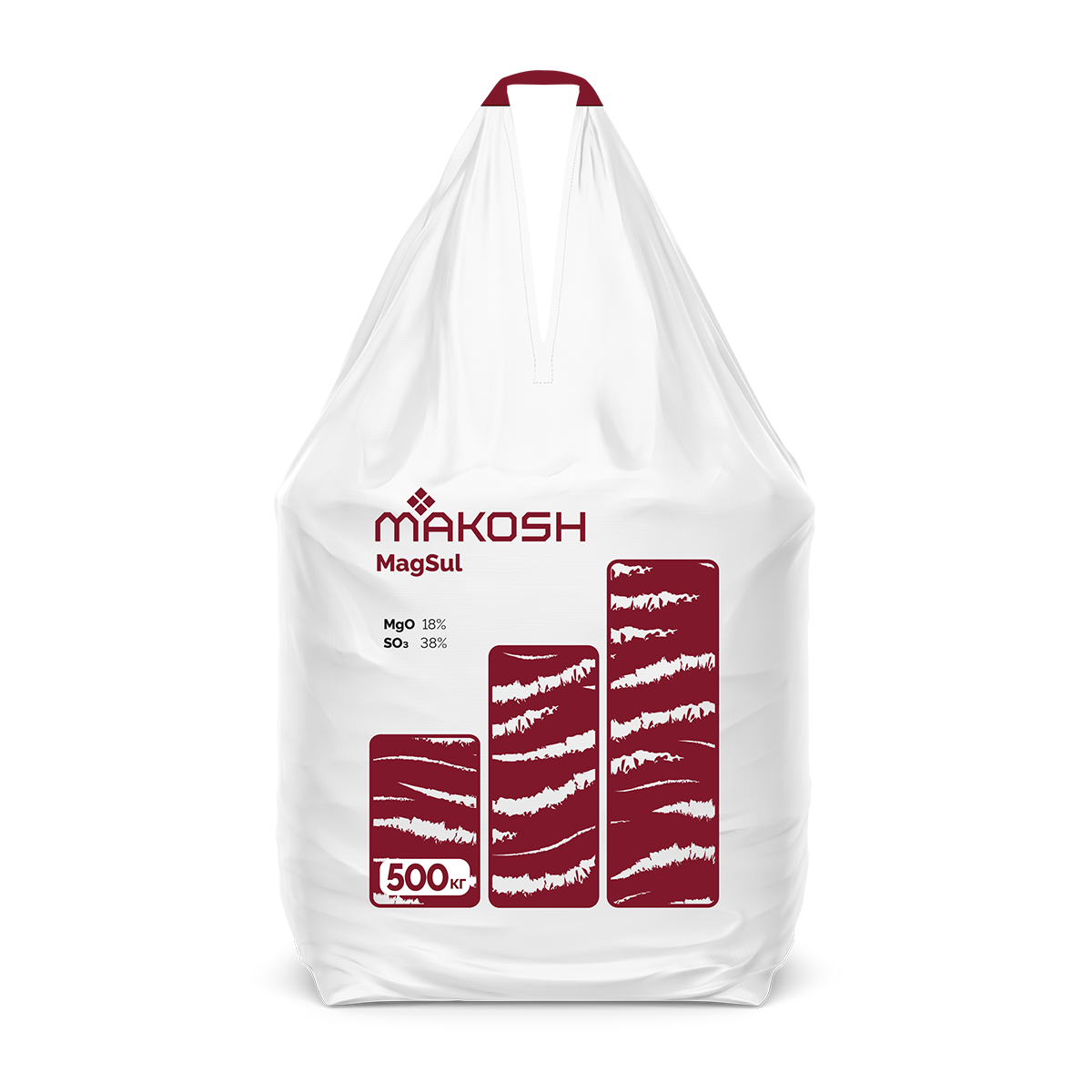
Pre-sowing application of PULAN AMMONIUM NITRATE (300-500 kg/ha) and MagSul (150-200 kg/ha) or SALETROSAN 30 (250-300 g/ha);
In addition to macronutrients, sugar beet requires a significant amount of microelements to form a crop. The most essential is boron, which must be applied during the two most critical phases of sugar beet development.
Foliar nutrition
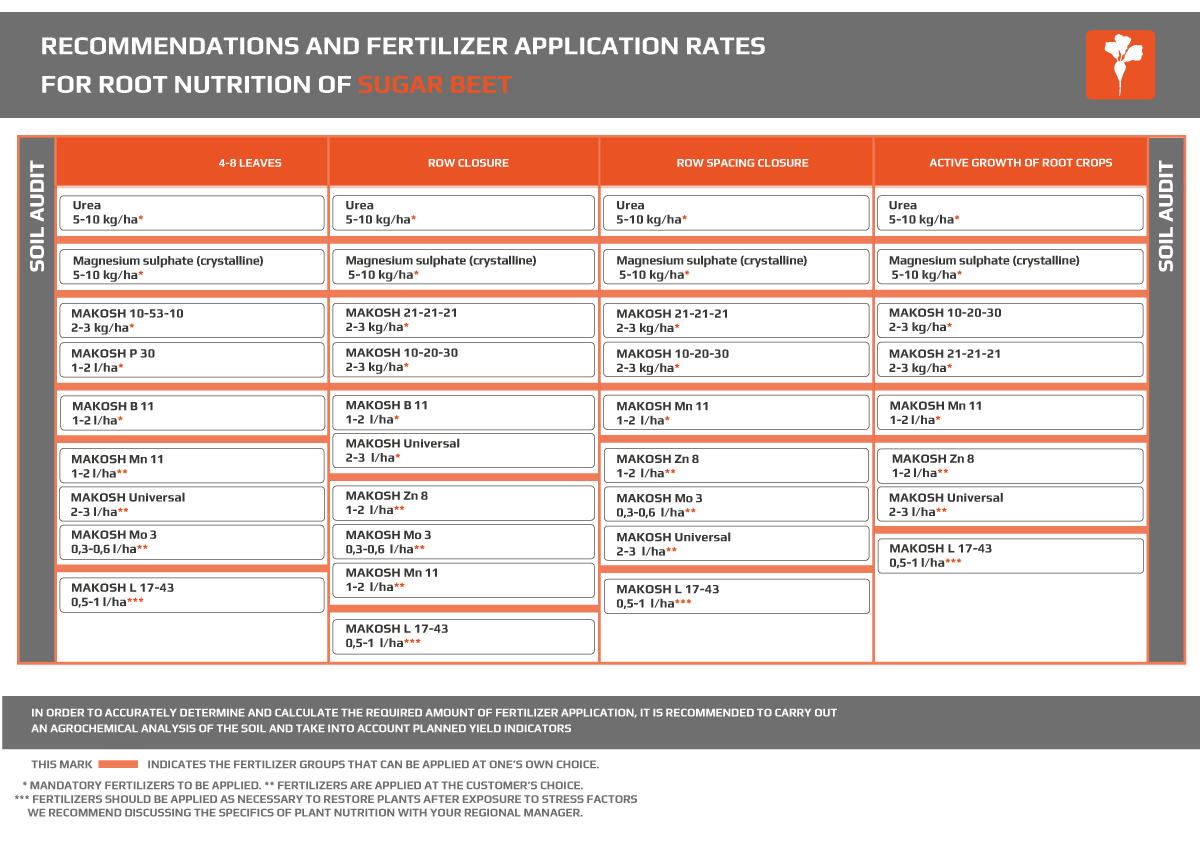
In the first critical phase of 4-8 leaves, it is recommended to apply the following fertilizers for foliar nutrition:
-
Urea – 7 kg/ha;
-
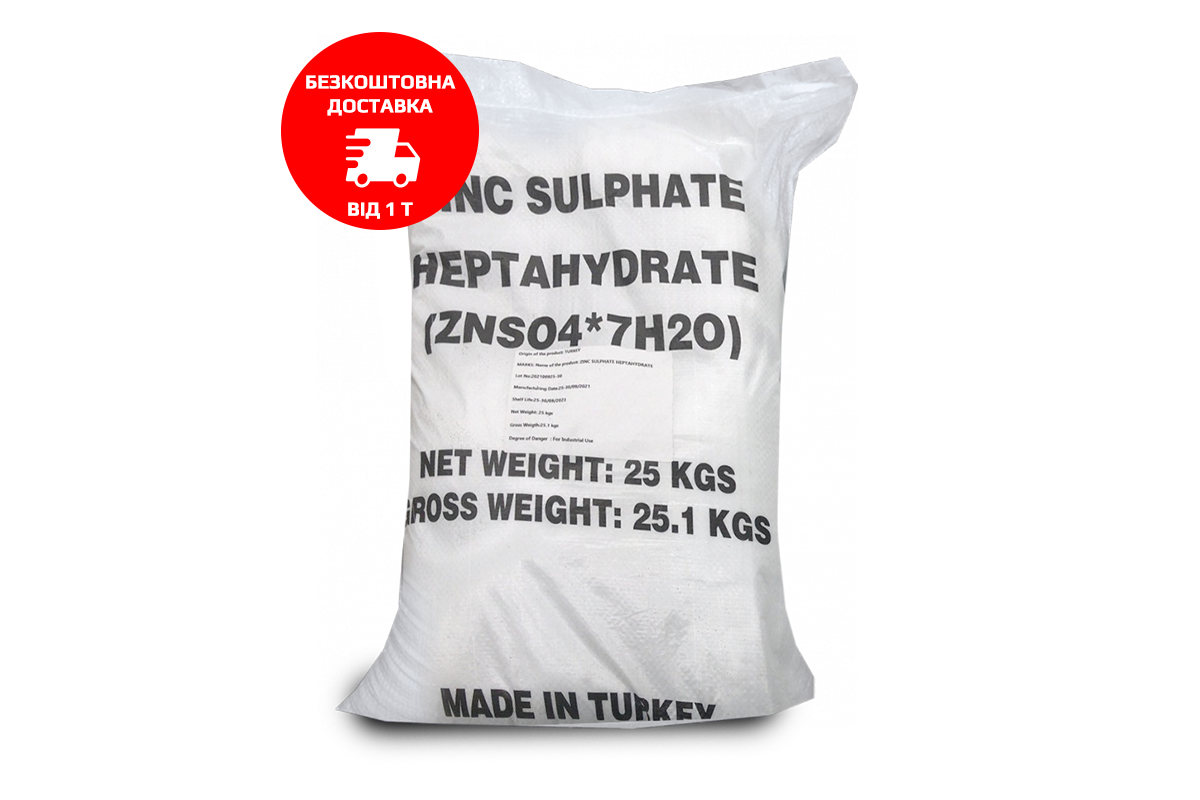
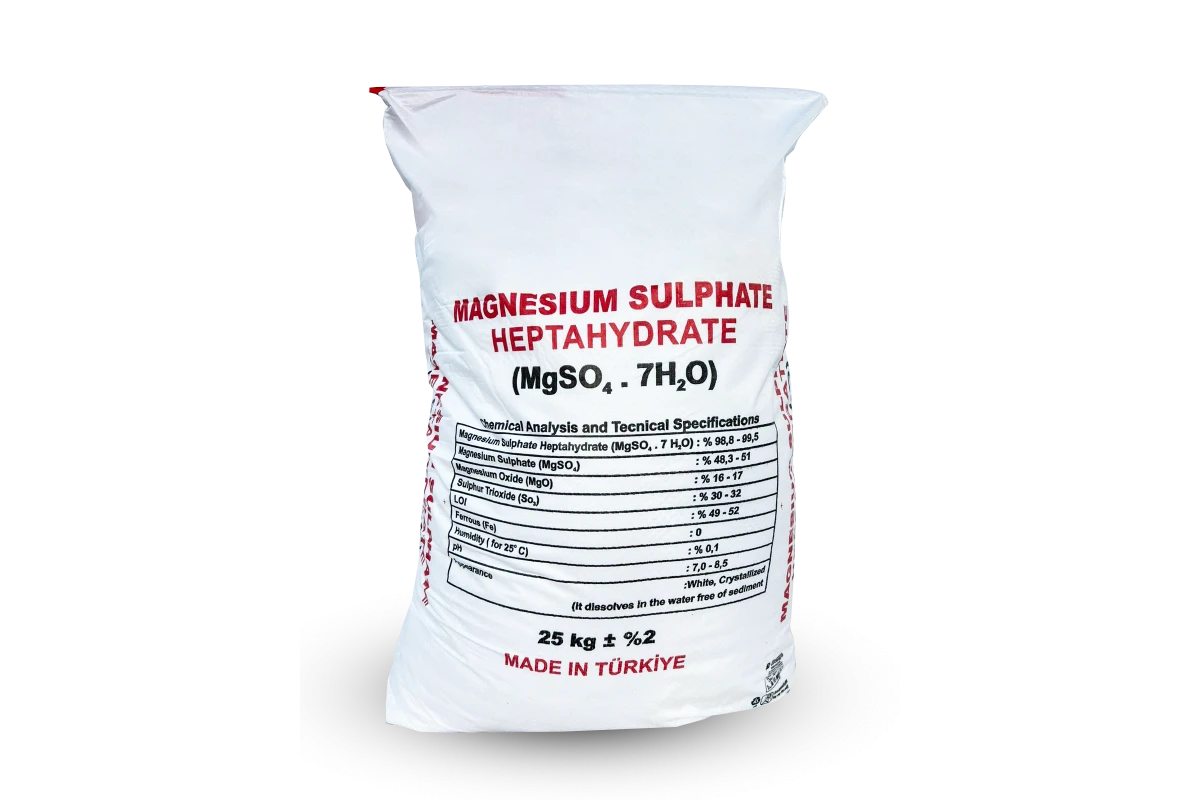
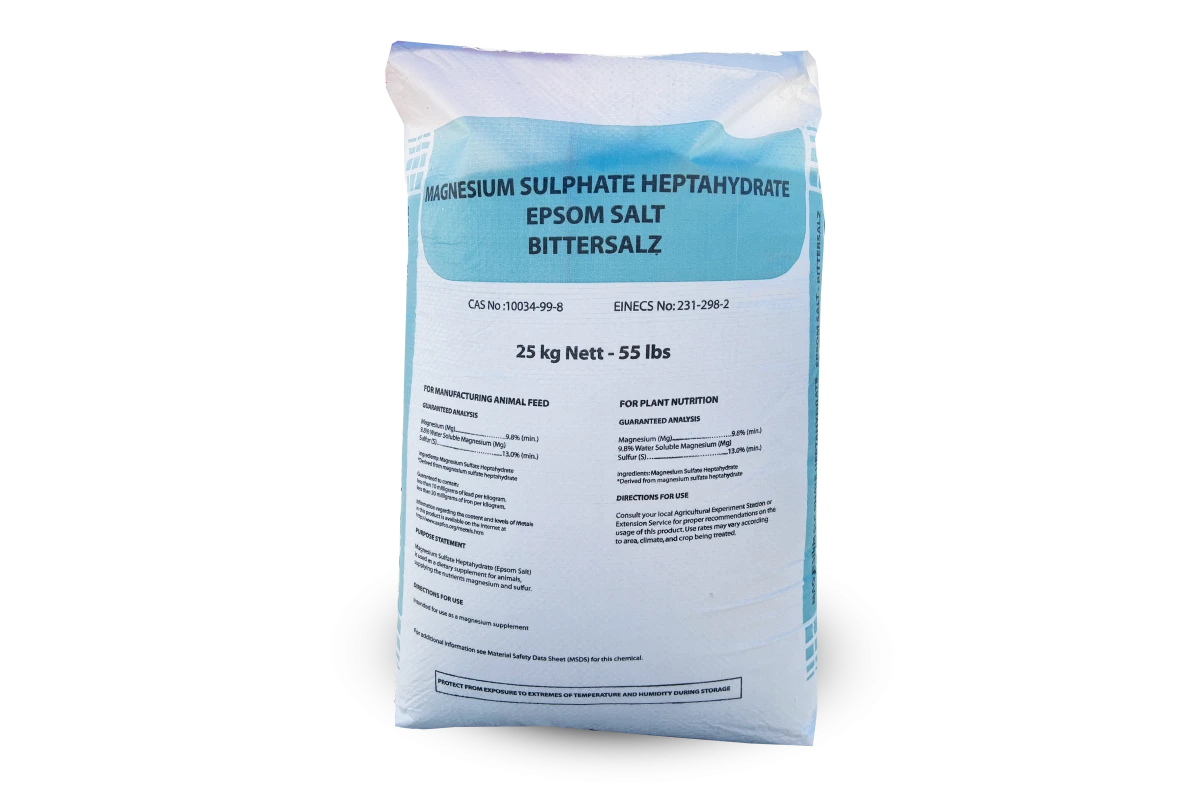
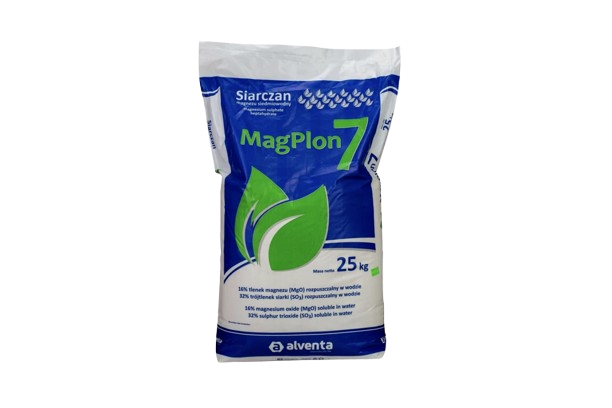
Magnesium sulphate crystalline (heptahydrate) – 5-10 kg/ha;
-
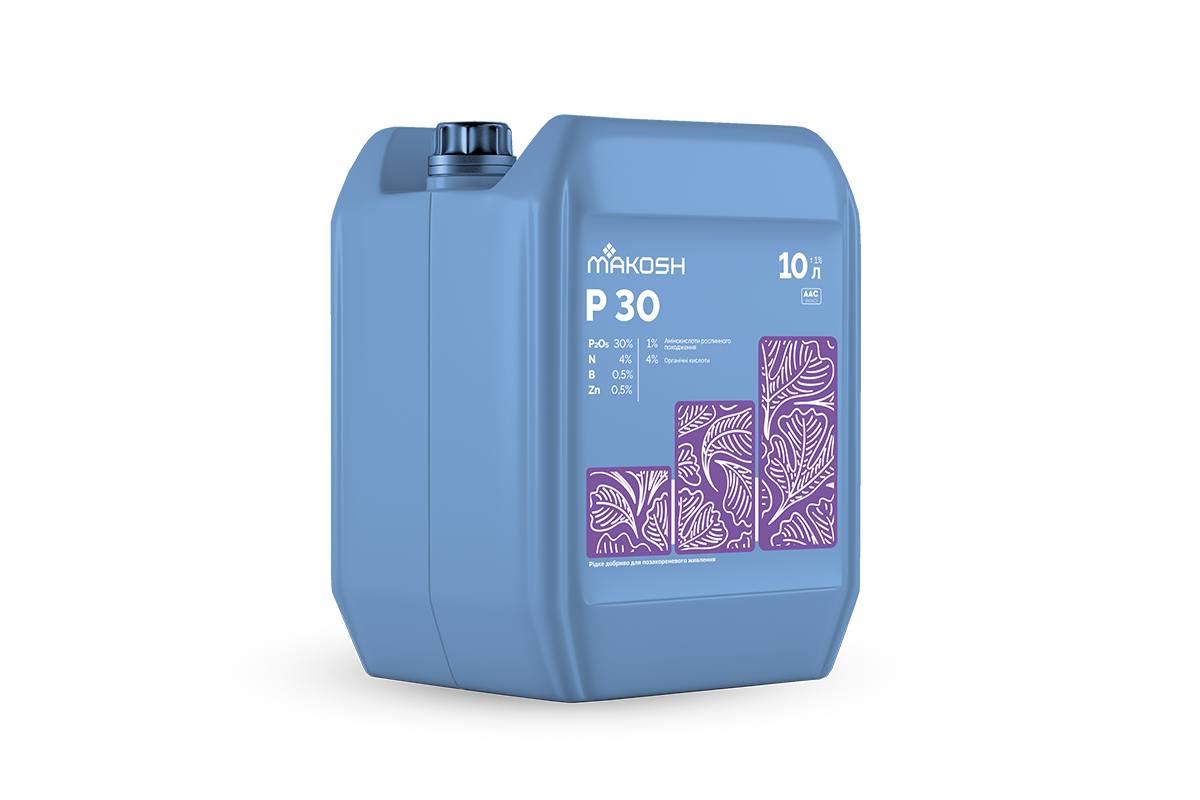
MAKOSH 10-53-10 – 2-3 kg/ha or MAKOSH P 30 – 1-2 l/ha;
-
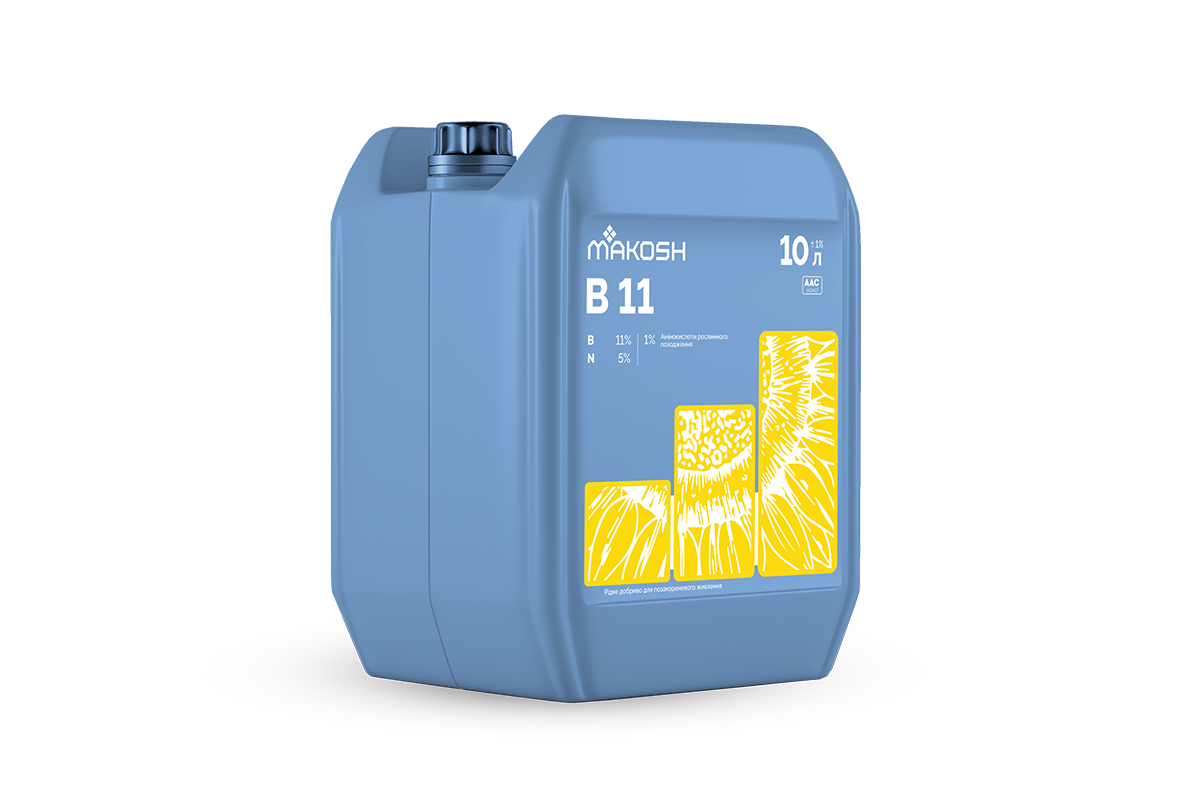
MAKOSH B 11 – 1-2 l/ha.
This fertilization will ensure the development of a strong root system in the initial stages of growth and improve the development of crops in general.
In the second phase of row closing , it is necessary to nourish sugar beet with a complex of microelements contained in the following fertilizers:
-
Urea – 7 kg/ha;
-
Magnesium sulphate crystalline (heptahydrate) – 5-10 kg/ha;
-
MAKOSH 21-21-21 – 2-3 kg/ha;
-
MAKOSH B 11 – 1-2 l/ha.
These measures will help to increase plant resistance to diseases, adverse weather conditions and the sugar content of beet.
Unfortunately, due to soil depletion, it is necessary to implement the right nutrition system to obtain a high-quality sugar beet crop with high sugar content. With intensive technology of growing this crop throughout the growing season and to obtain sustainable and high yields, in addition to the main fertilizer, it is necessary to apply foliar nutrition in the most critical phases of development.
During the row closure phase, sugar beet should be nourished with a complex of microelements contained in the following fertilizers:
-
Urea – 7 kg/ha;
-
Magnesium sulphate crystalline (heptahydrate) – 5-10 kg/ha;
-
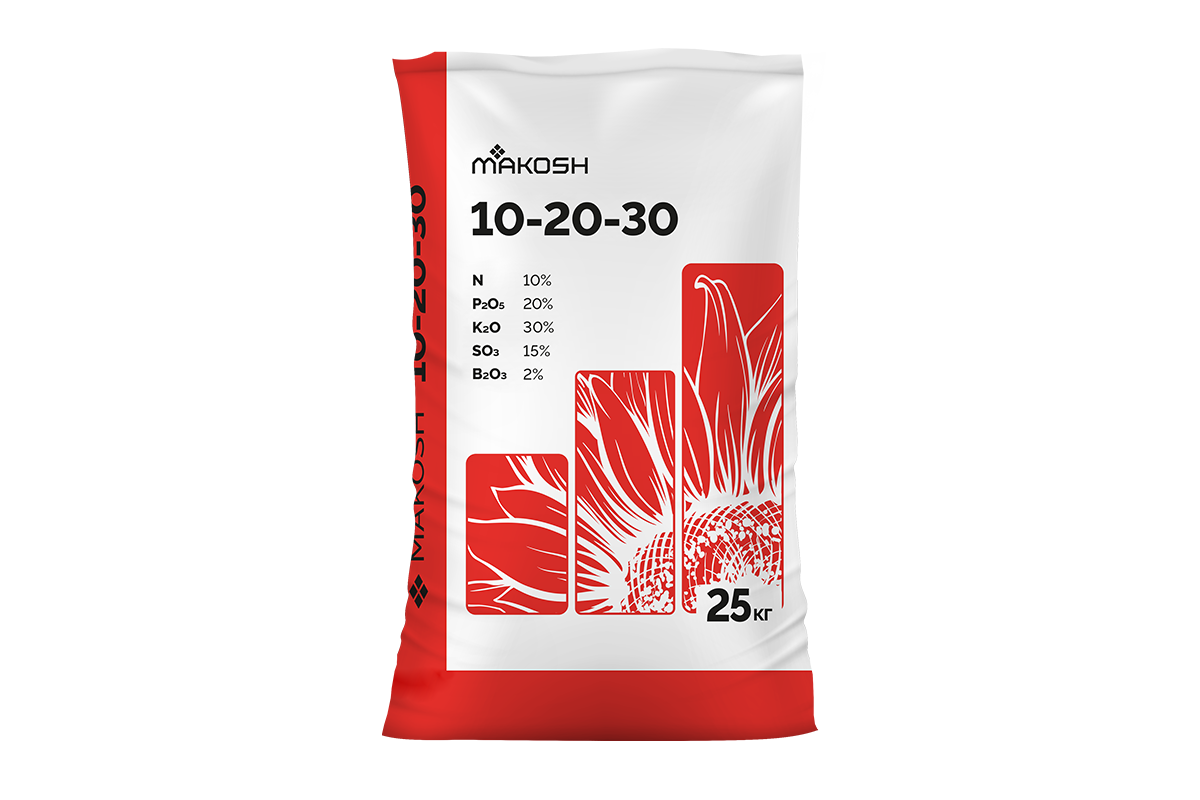
MAKOSH 10-20-30 – 2-3 kg/ha;
-
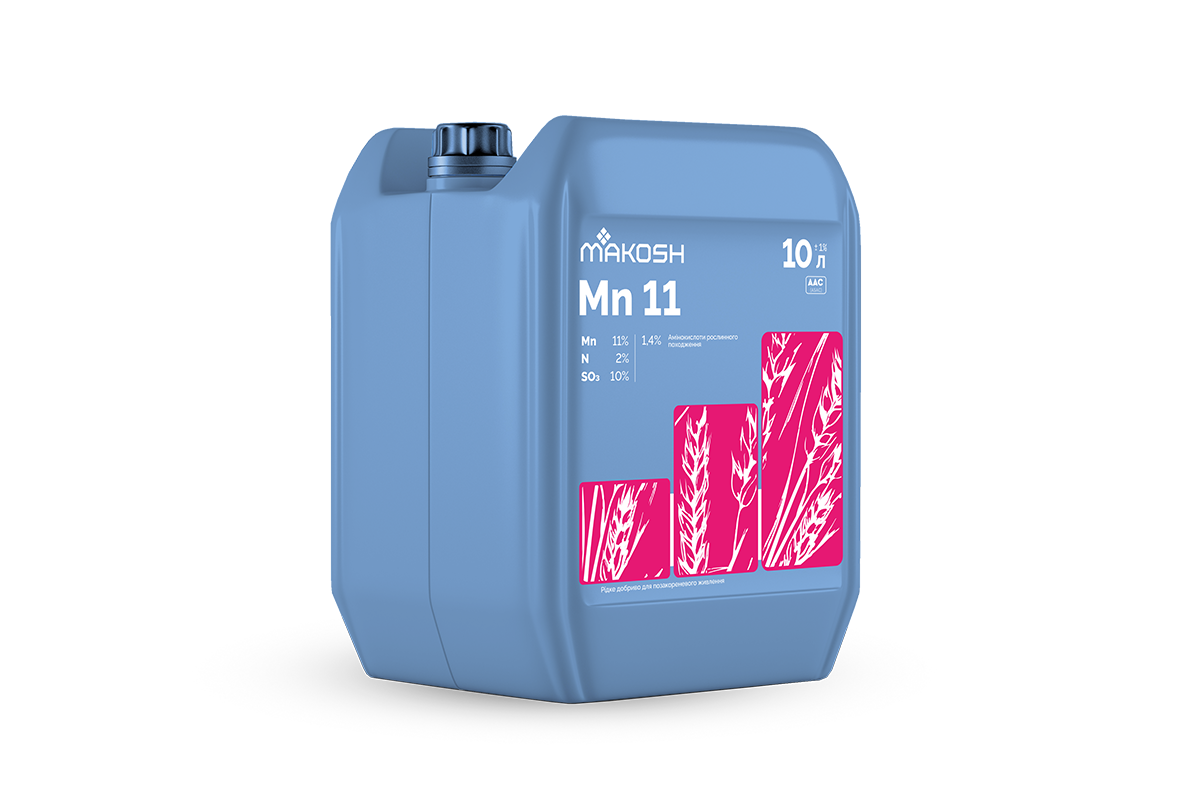
MAKOSH Mn 11 – 1-2 l/ha.
When spraying in the next critical phase of active root growth, it is necessary to pre-emerge with the previous components of the tank mixture. These measures will help to increase plant resistance to diseases, adverse weather conditions and the sugar content of beet.
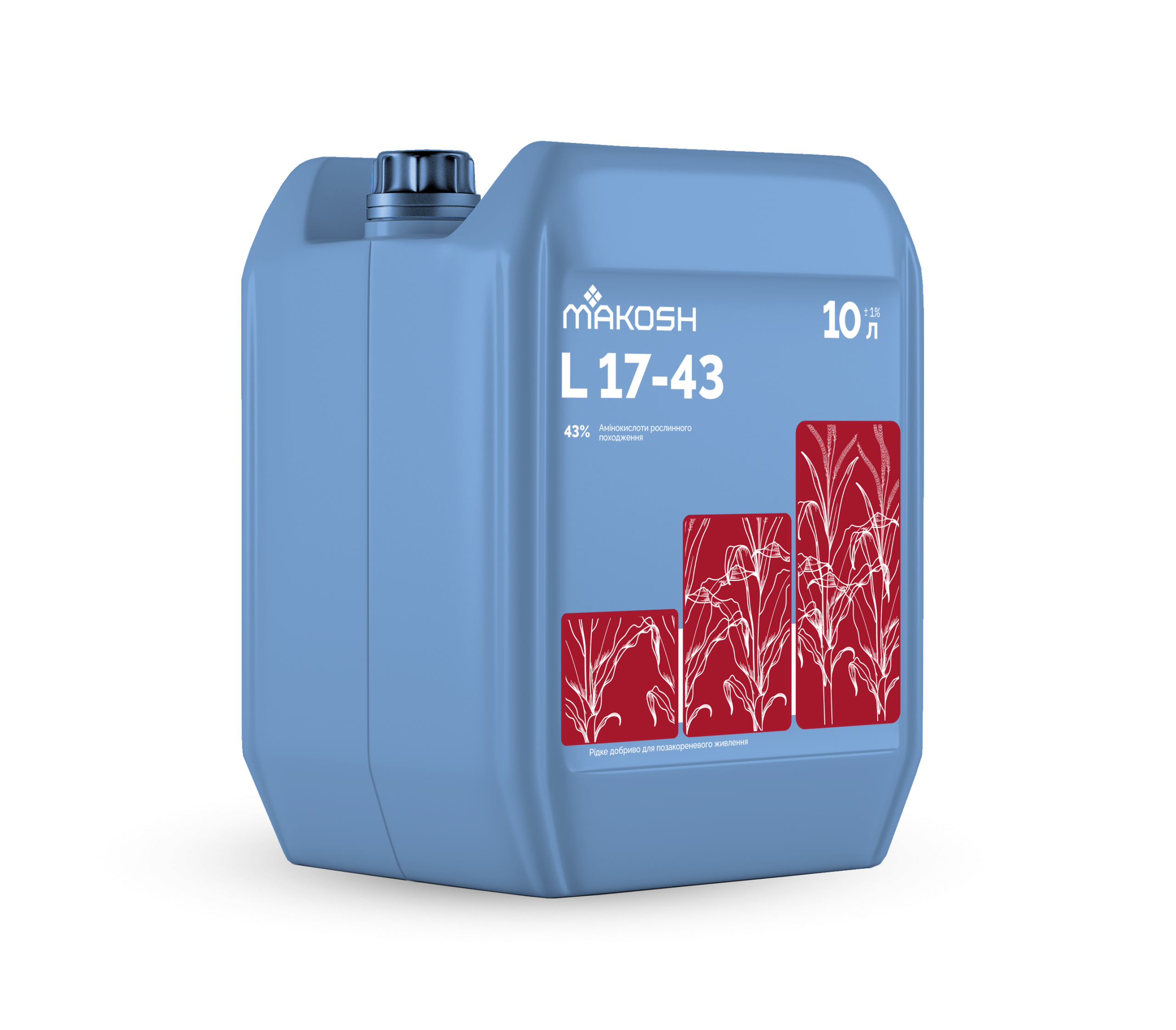
The complex of amino acid contained in MAKOSH L 17-43 – 0.5-1 l/ha fertilizer can quickly restore plants after biotic and abiotic stresses.
The specified rates of fertilizer application are of a recommendatory nature, because only an agronomist can calculate the exact dose of fertilizers, taking into account soil indicators, based on the results of soil analysis, soil acidity, crop rotation and other indicators.