


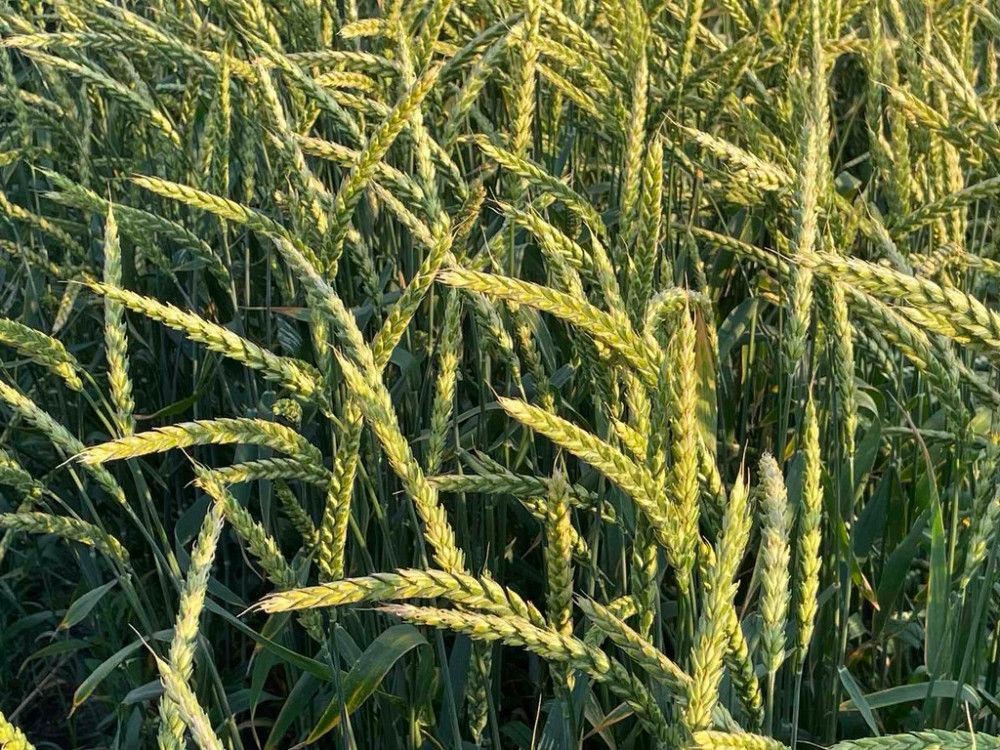
Wheat is the most important food crop of Ukraine. The yield and grain quality of winter cereal crops depend on providing plants with nutrients throughout the growing season.
The higher the yield, the more elements are removed from the soil. Soil analysis shows that there is almost no sufficient level of provision of nutrients in an easily accessible form in the soil, therefore, in order to obtain a high yield for winter grain crops, it is necessary to additionally apply basic mineral fertilizers.
Application of mineral fertilizers
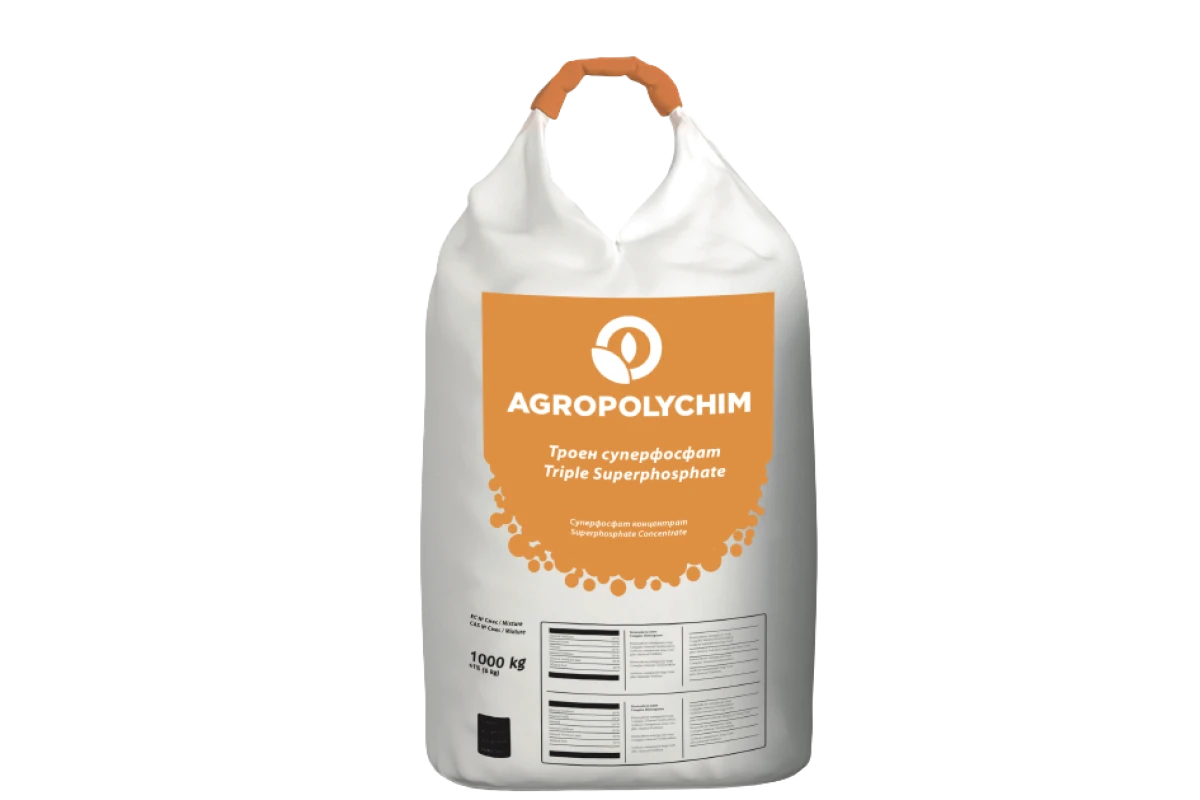
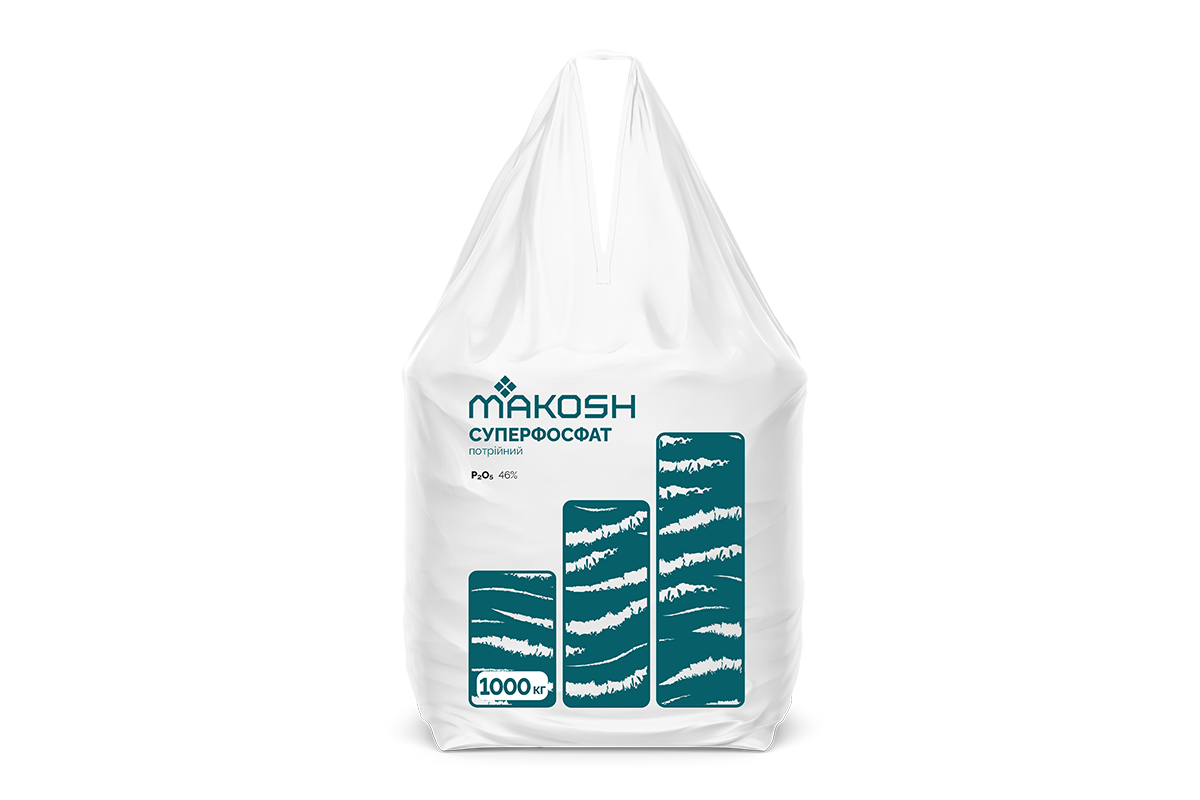
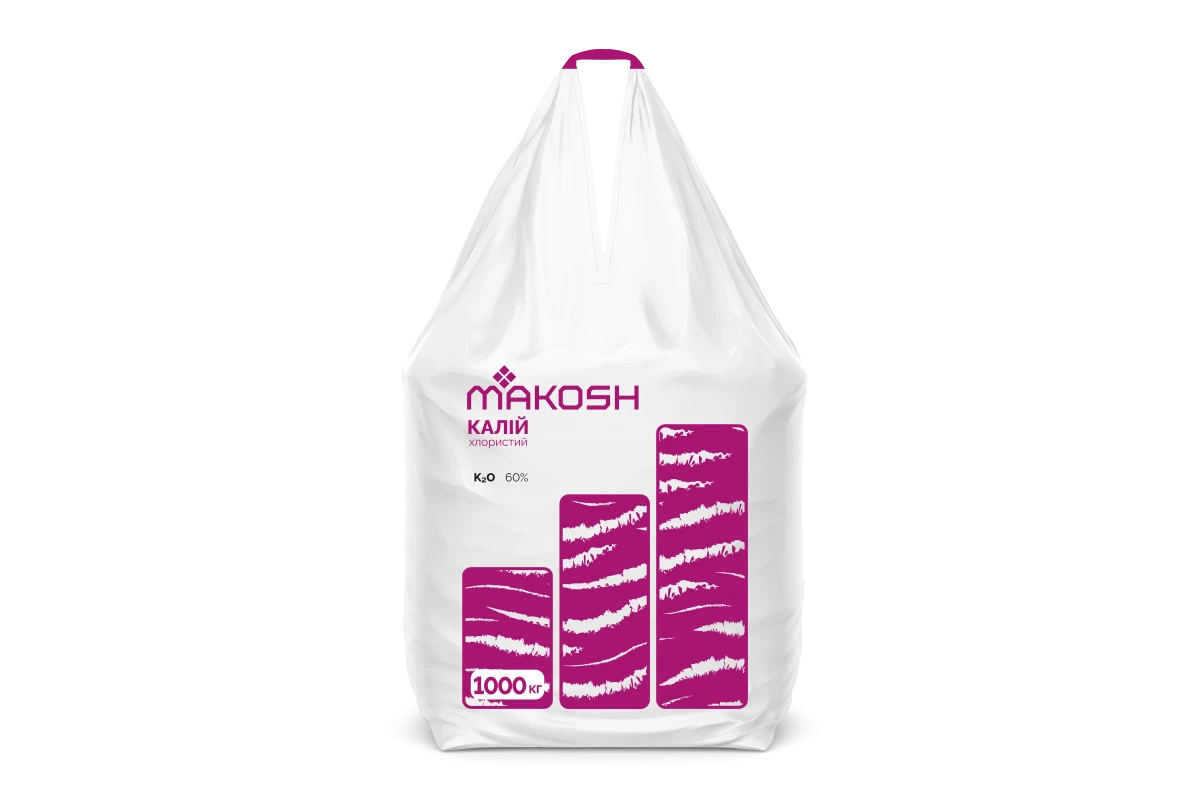
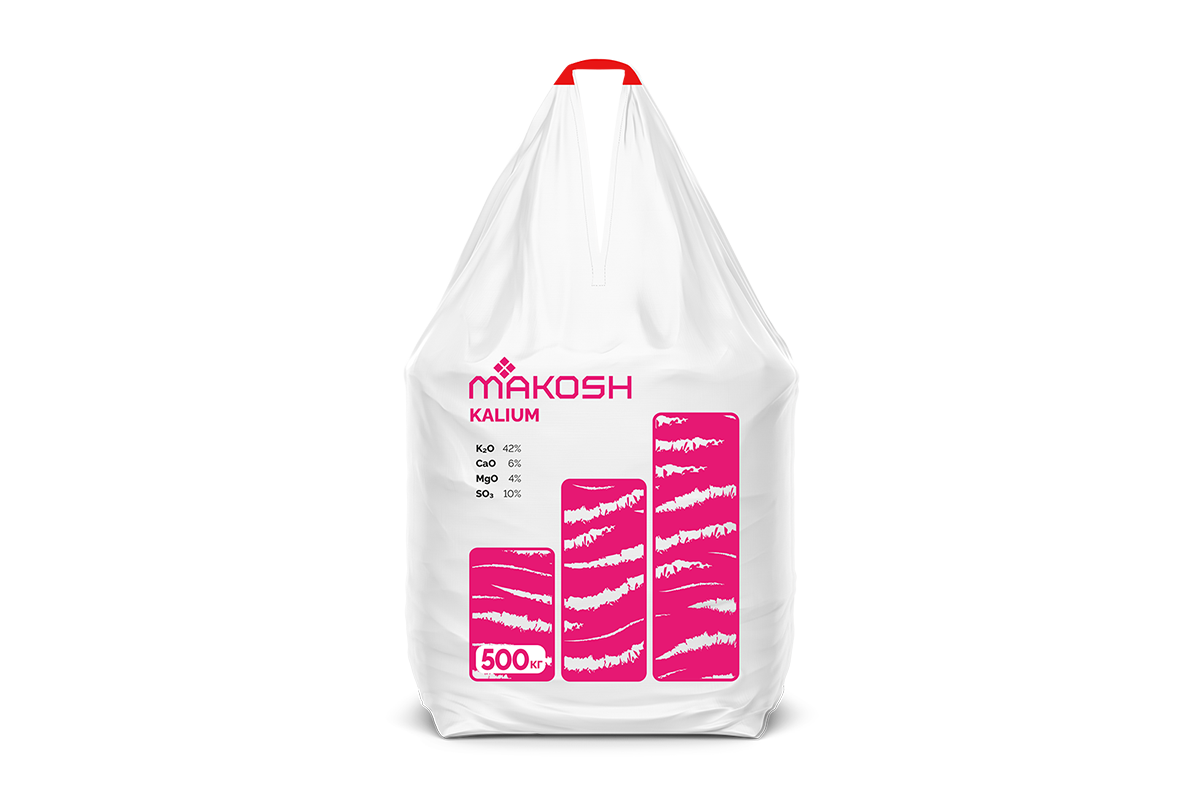
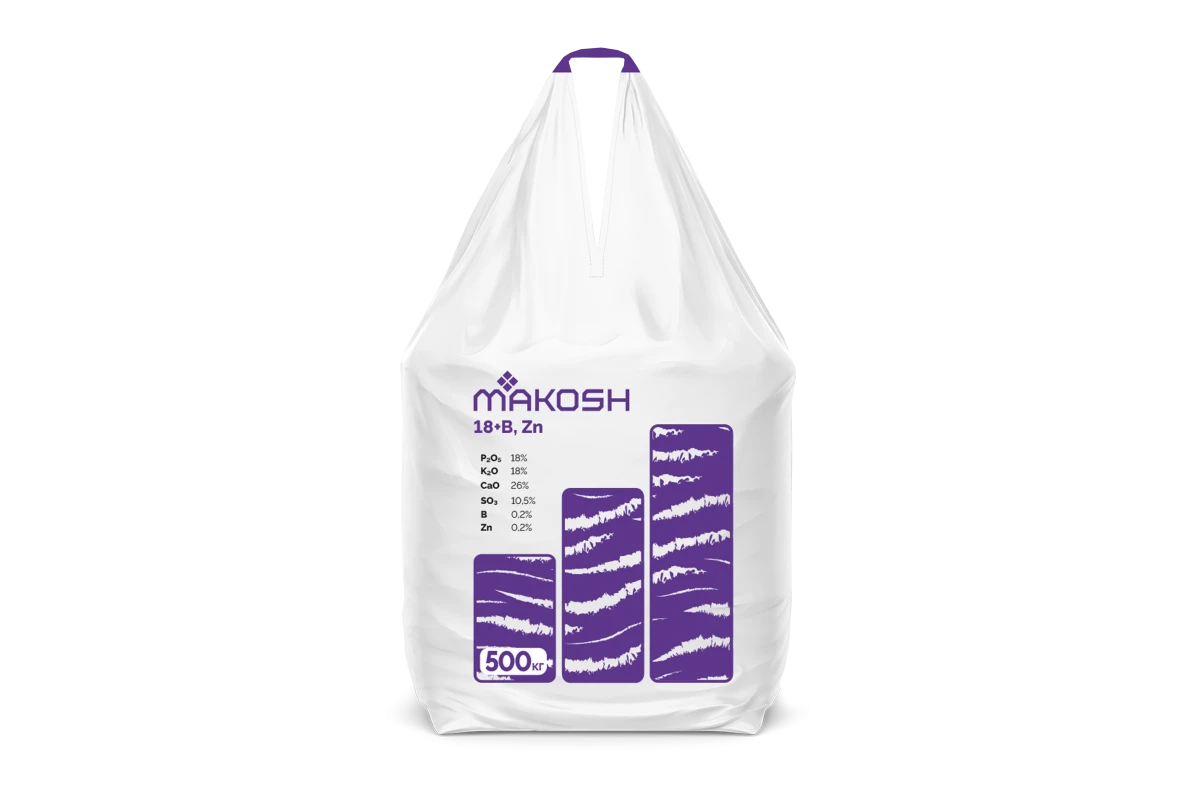
Nutrition of winter grain crops begins with the application of basic mineral fertilizers after the predecessor crops. Before sowing, it is necessary to apply the main nutrients: phosphorus and potassium (SUPERFOSFAT MAKOSH z mikroelementami (B, Zn), KALIUM MAKOSH) in doses that depend on characteristics of the soil (from 100 to 250 kg/ha).
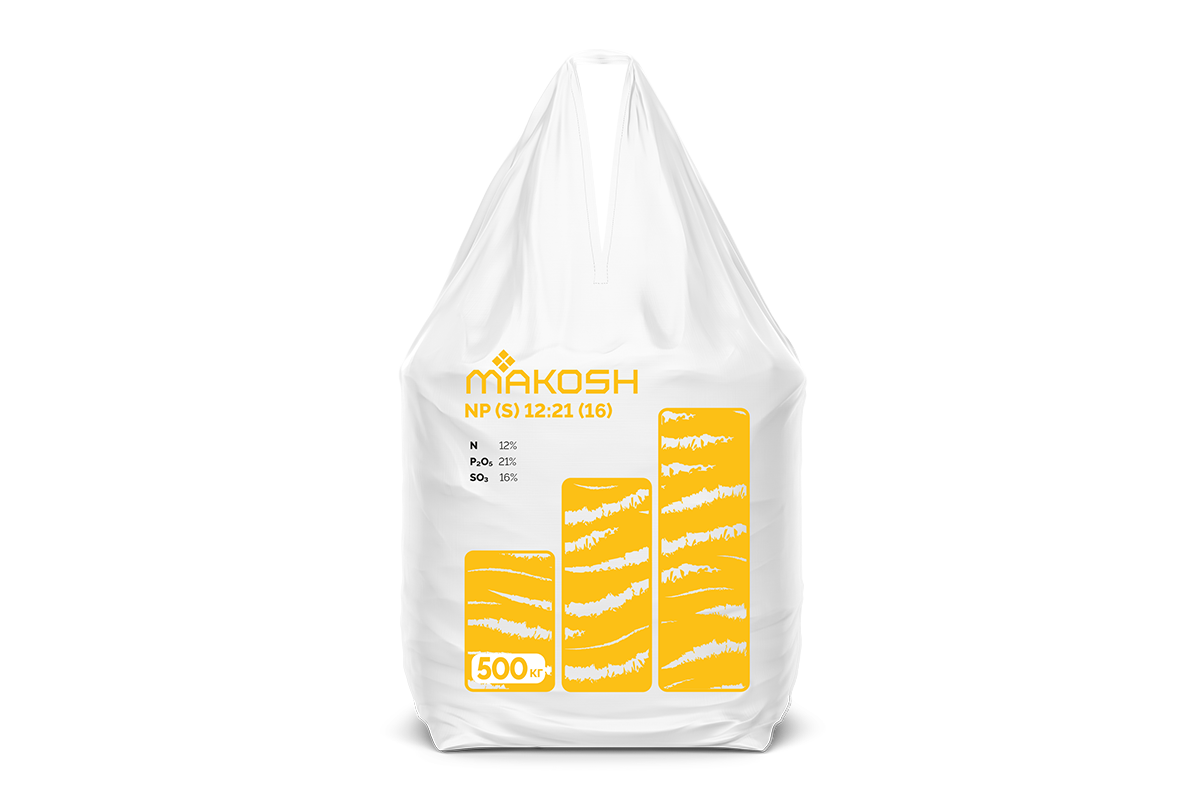
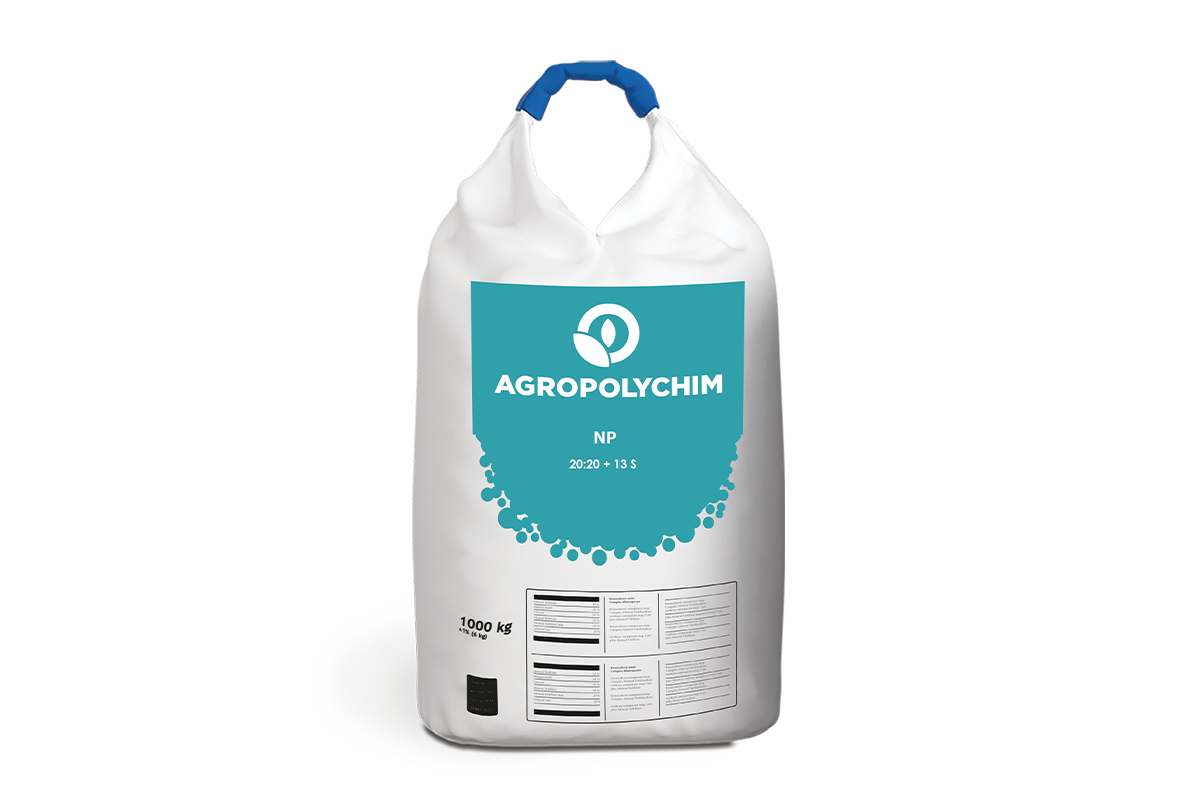
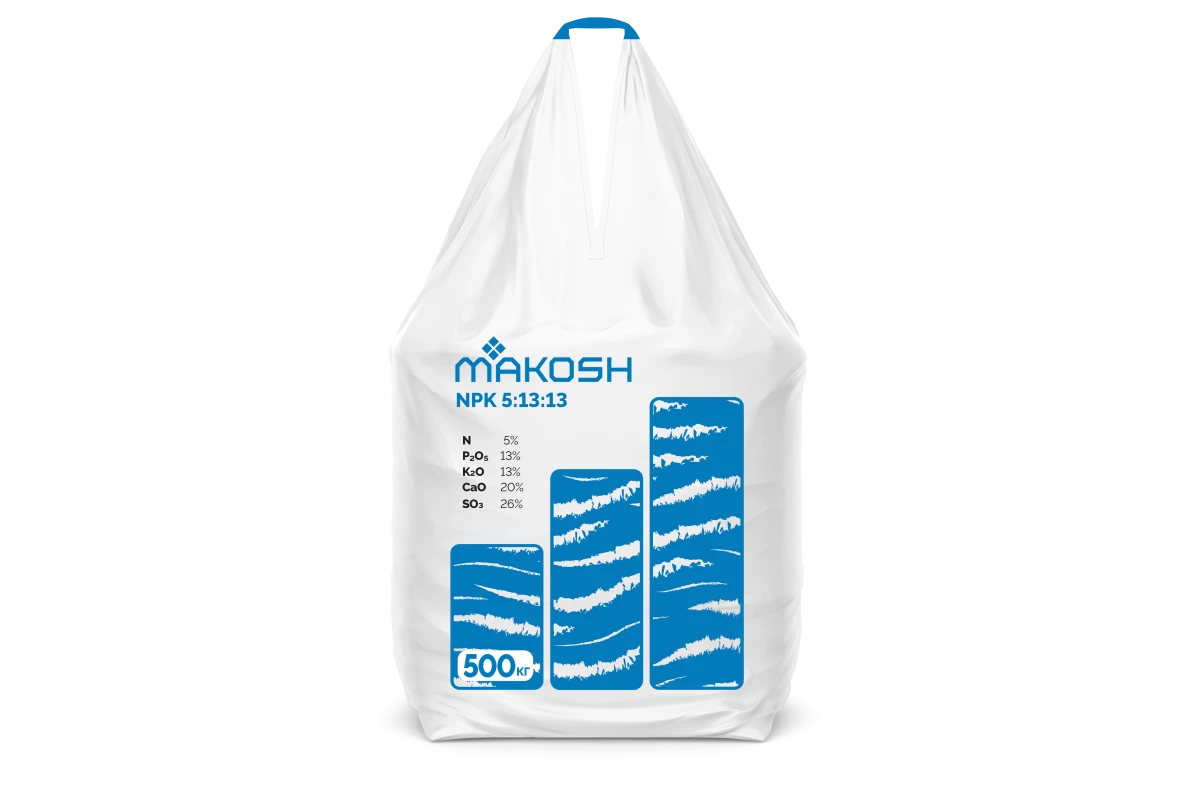
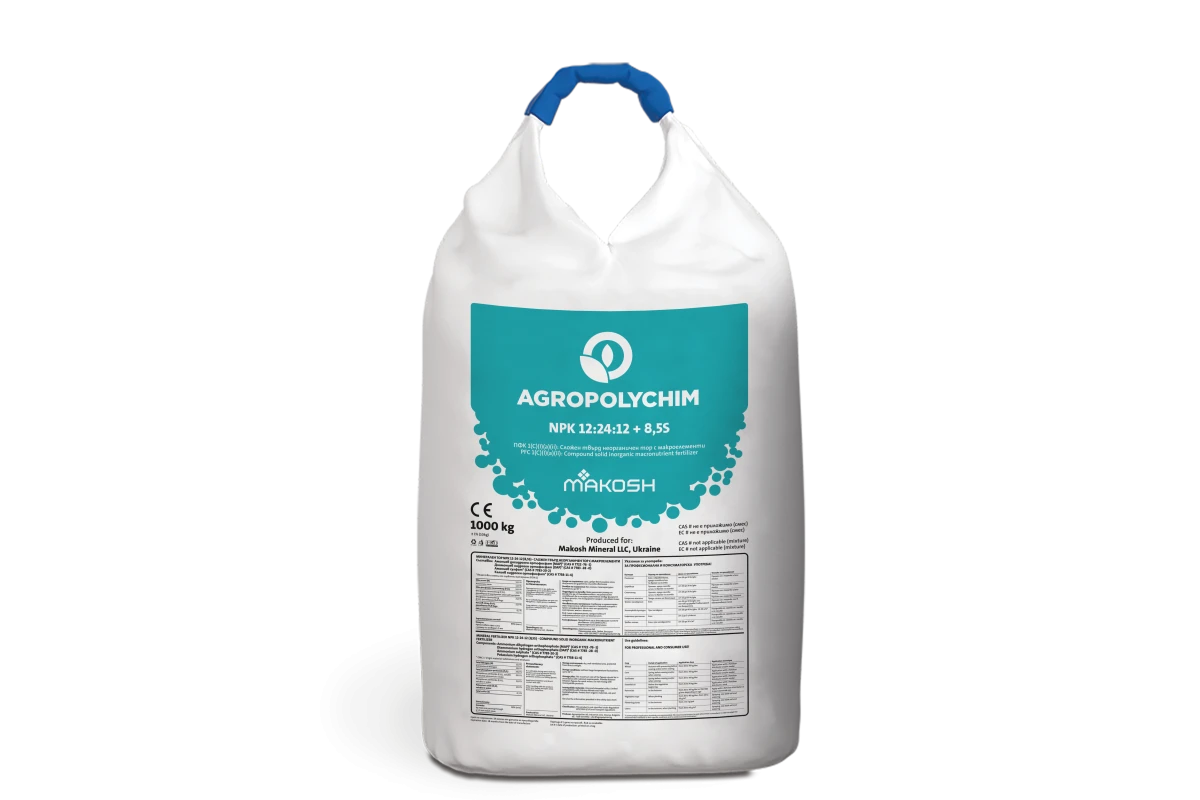
The basis of the yield of any crop is high-quality seed material, therefore, in order to improve germination conditions and seedling resistance to negative environmental factors, seed treatment with Wonder Leaf Wonder Micro 1.5 l/t of seed should be carried out. During sowing, you should use MAKOSH NPK 12:24:12 + 8,5S (100-150 kg/ha) or other fertilizers of your choice from the company’s range.
Autumn foliar fertilization
The critical periods in the development of winter cereals are the periods of tillering, booting, flag leaf and ripening. Due to the intensive growth of vegetative mass, the soil depletes the reserves of readily available nutrients. This is clearly visible during the period of day and night temperature fluctuations. In this case, the plant can be helped by applying nutrients foliarly. Elements that have been applied to the leaf are better and faster absorbed by the plant than those that have been applied to the soil.
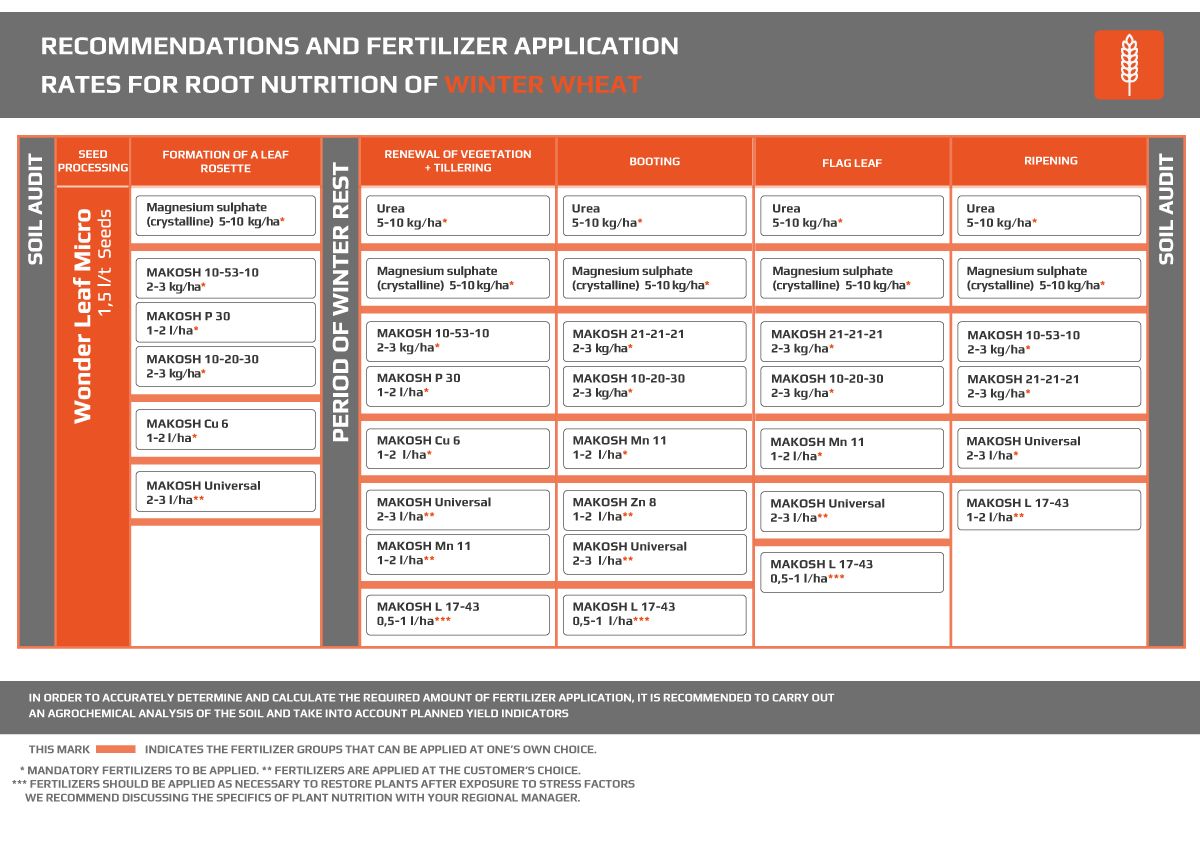
For the plant to bush well and enter the winter strong, it needs such elements as phosphorus, magnesium, sulfur and copper. During this period, the plant best consumes nutrients through the leaf, so leading agronomists recommend foliar nutrition in the following doses:
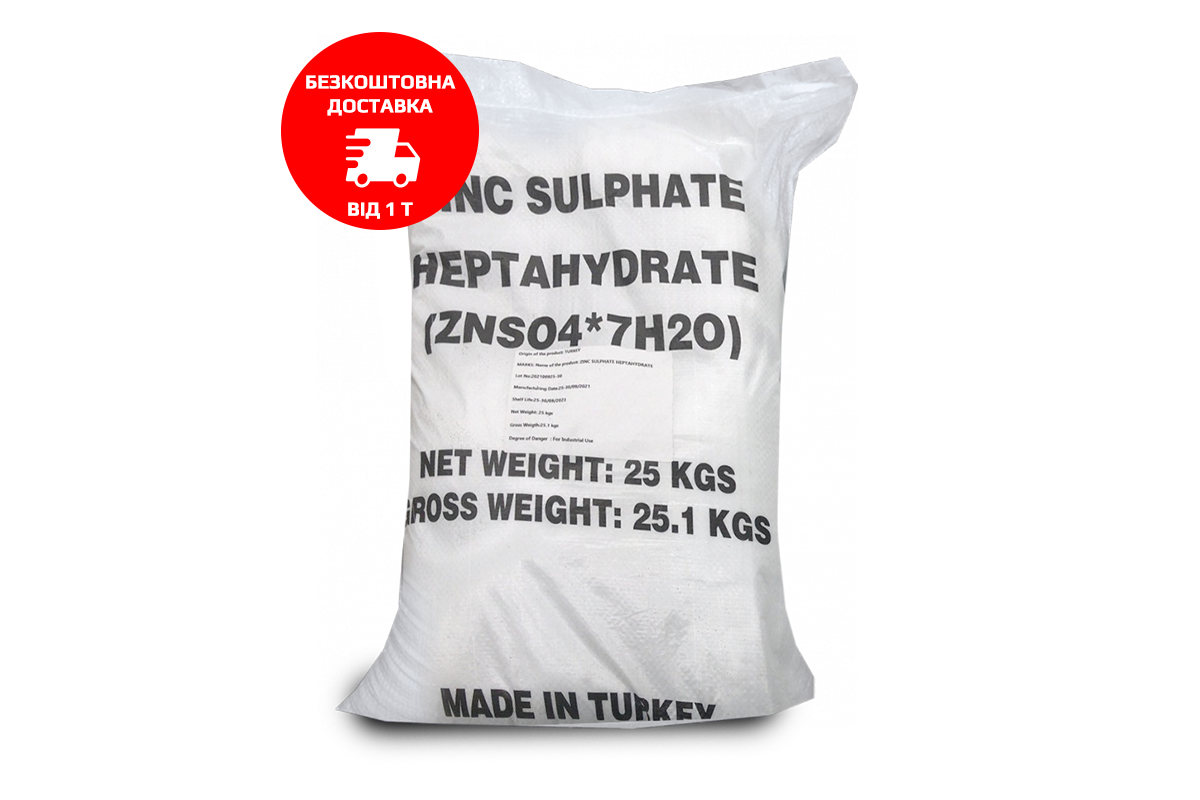
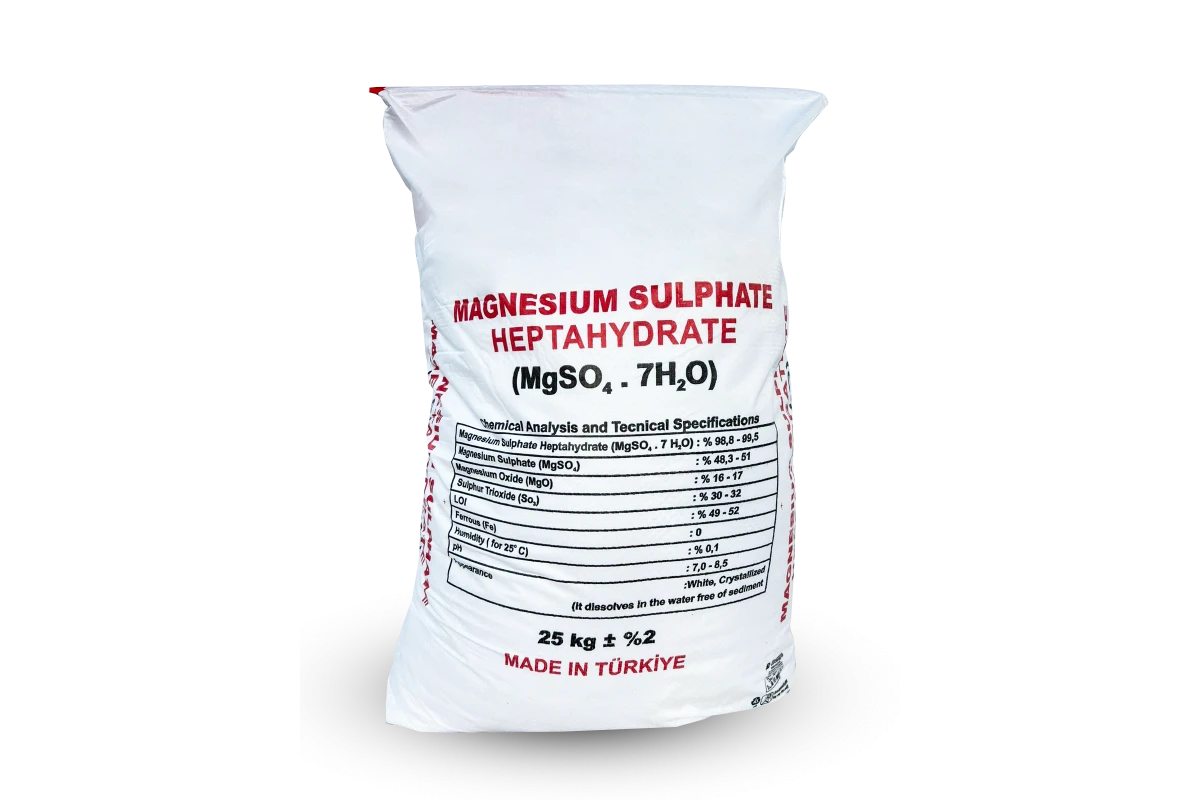
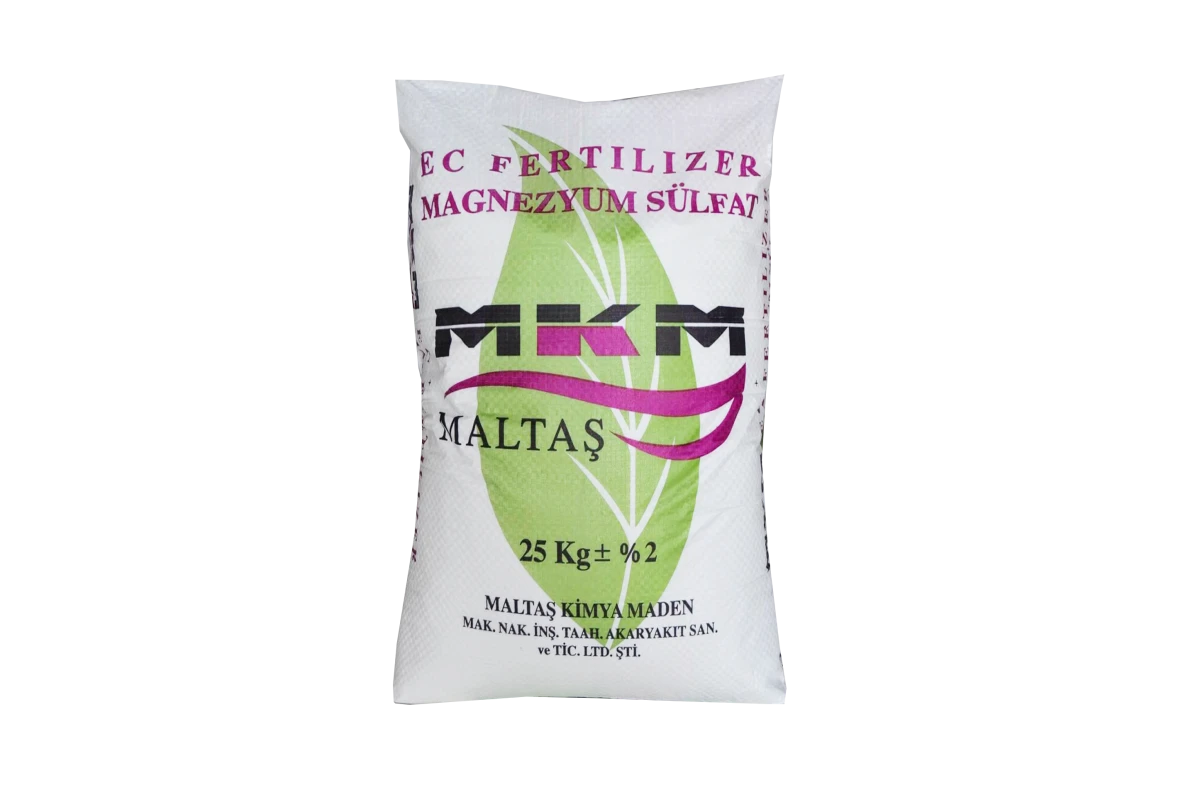
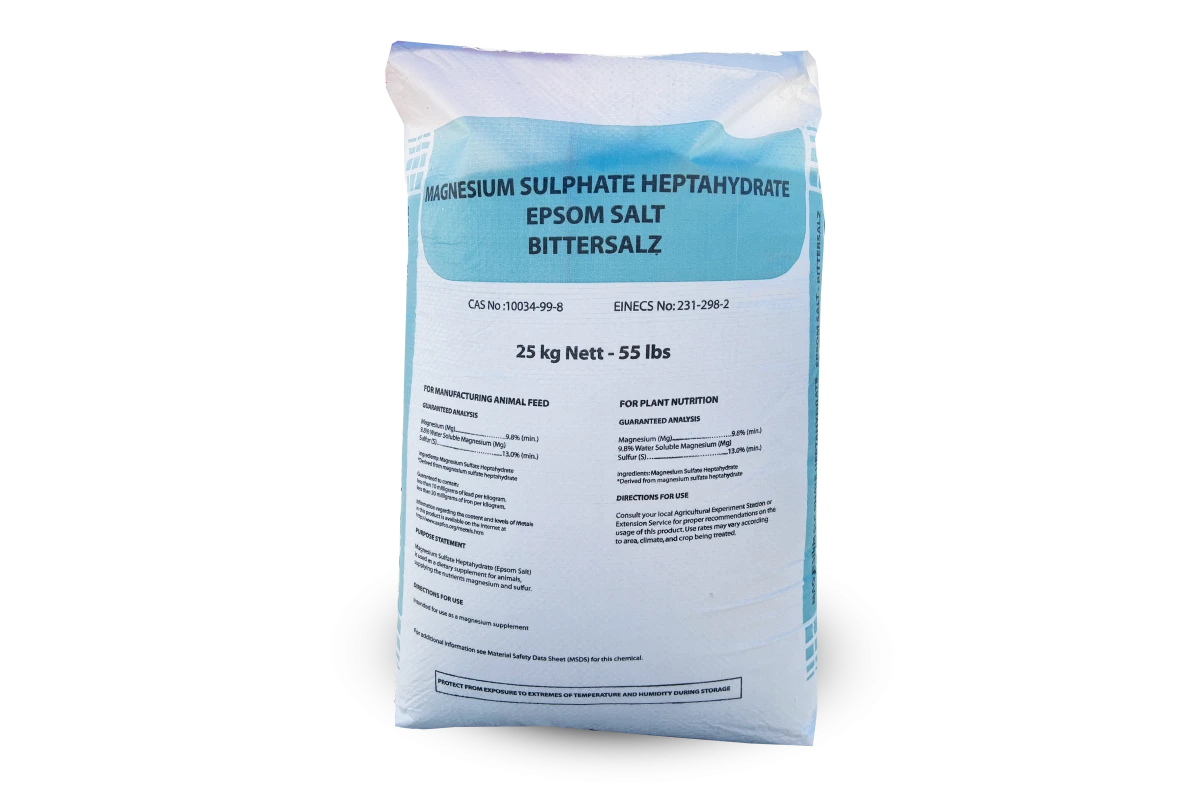
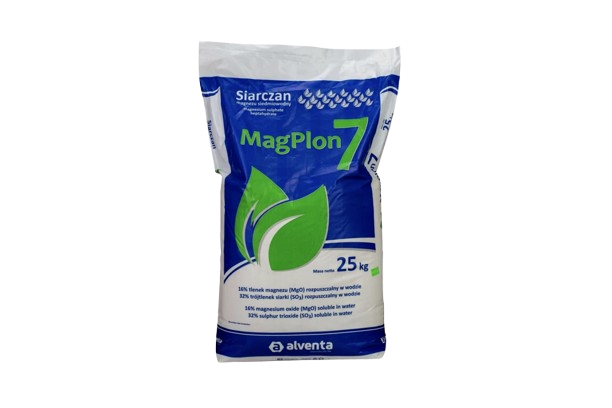
- Magnesium sulphate crystalline (heptahydrate) – 5-10 kg/ha;
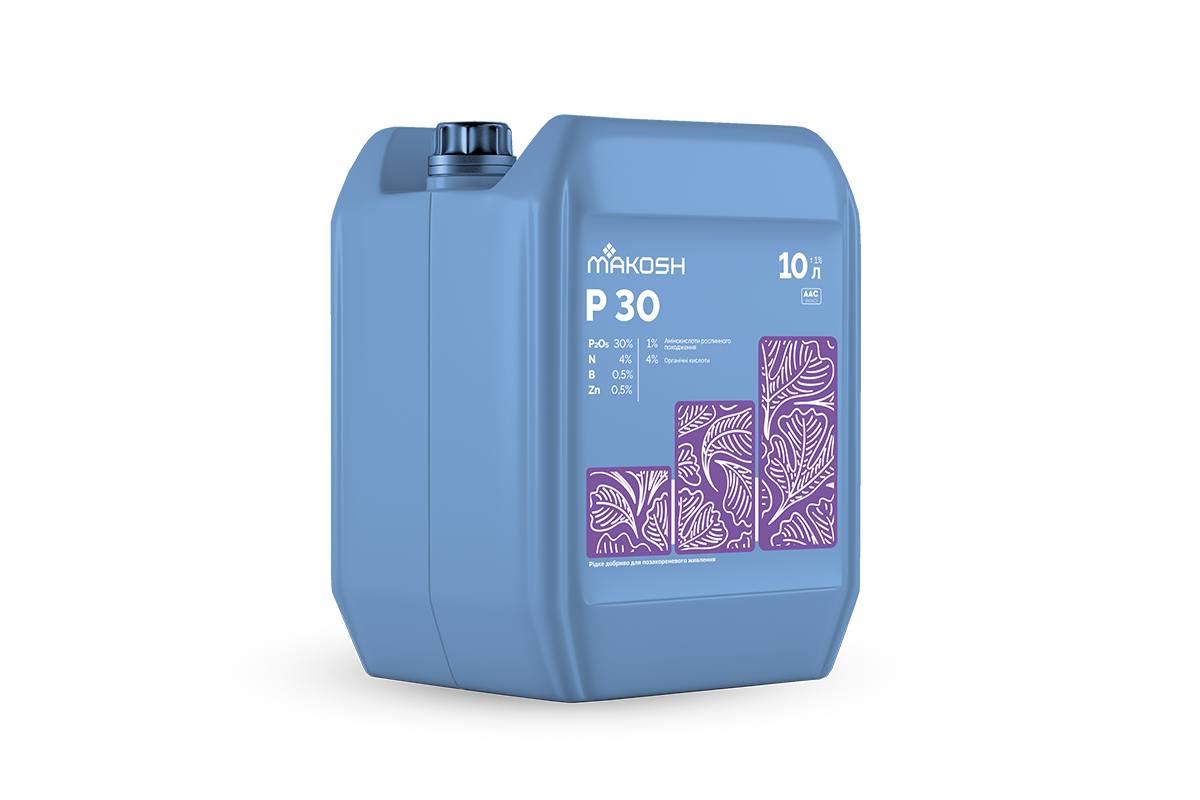
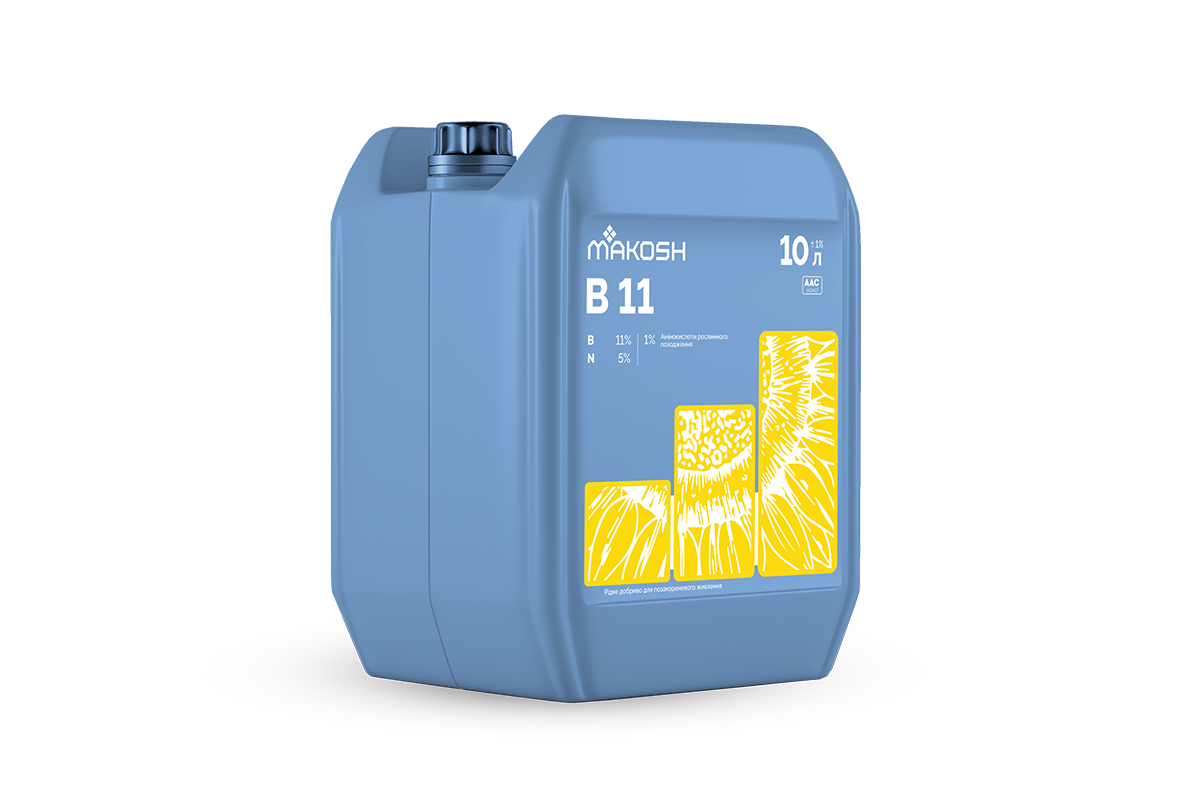
- MAKOSH 10-53-10 – 2-3 kg/ha or MAKOSH P 30 – 1-2 l/ha;
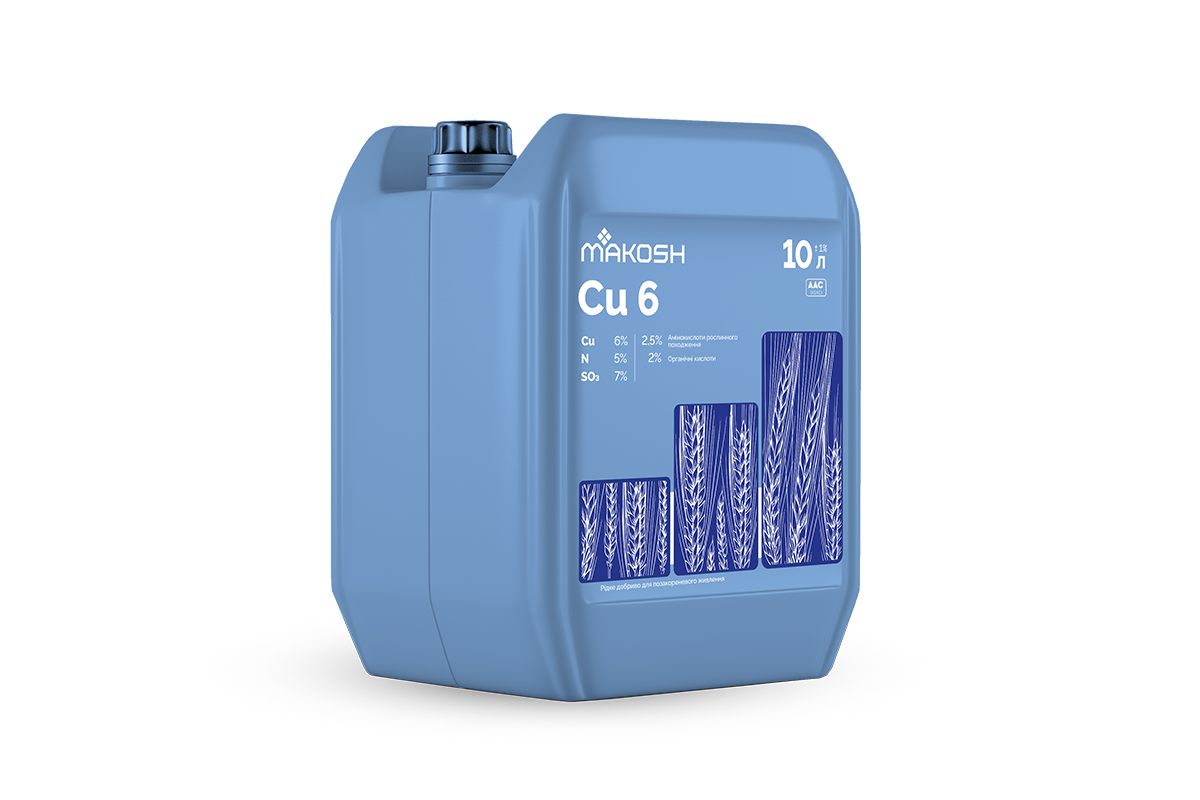
- MAKOSH Cu 6 – 1-2 l/ha.
These fertilizers are ideal for winter cereals in autumn, as they prepare the plant for the harsh natural conditions in the winter period.
Early spring nutrition with nitrogen fertilizers
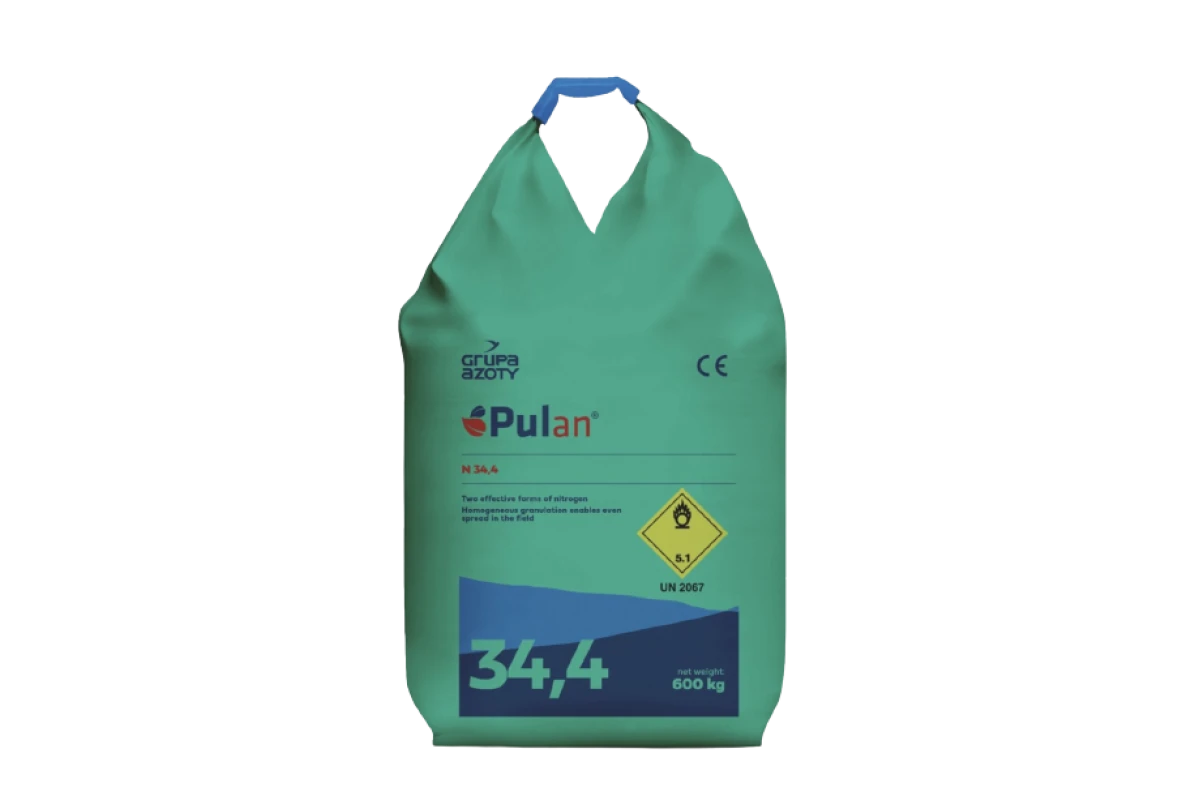
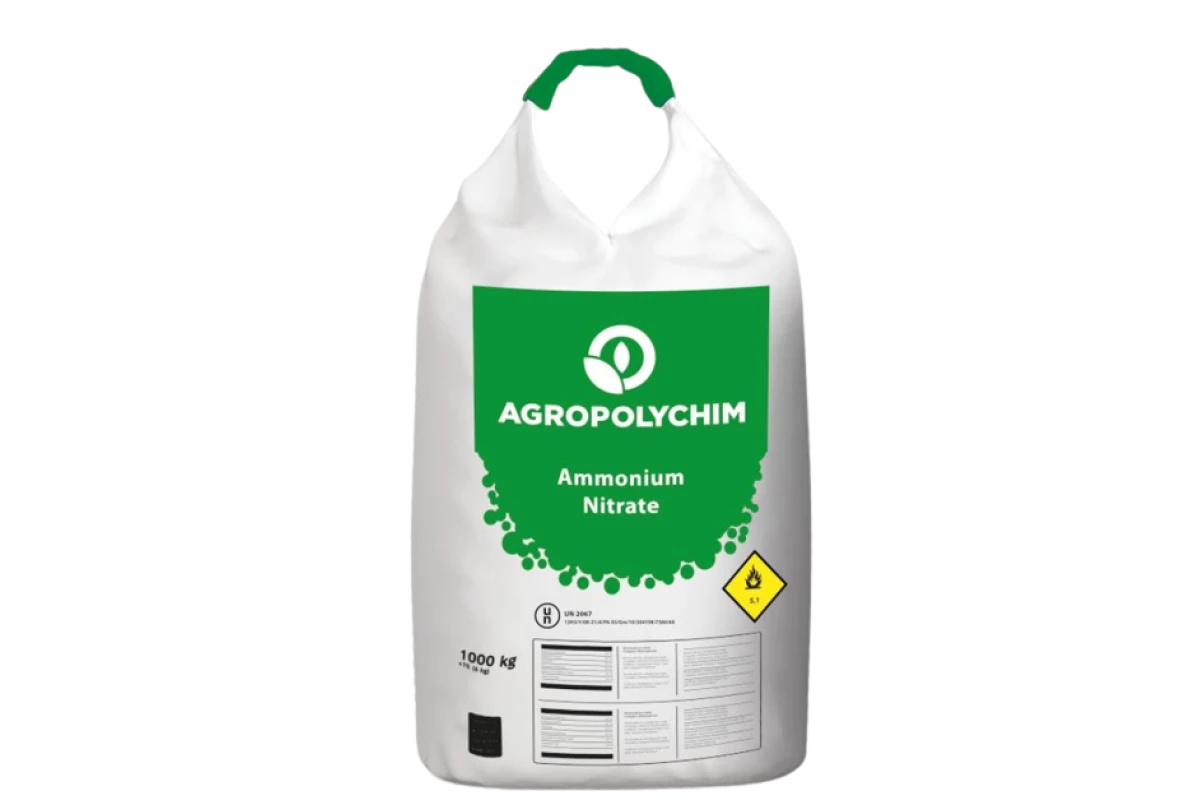
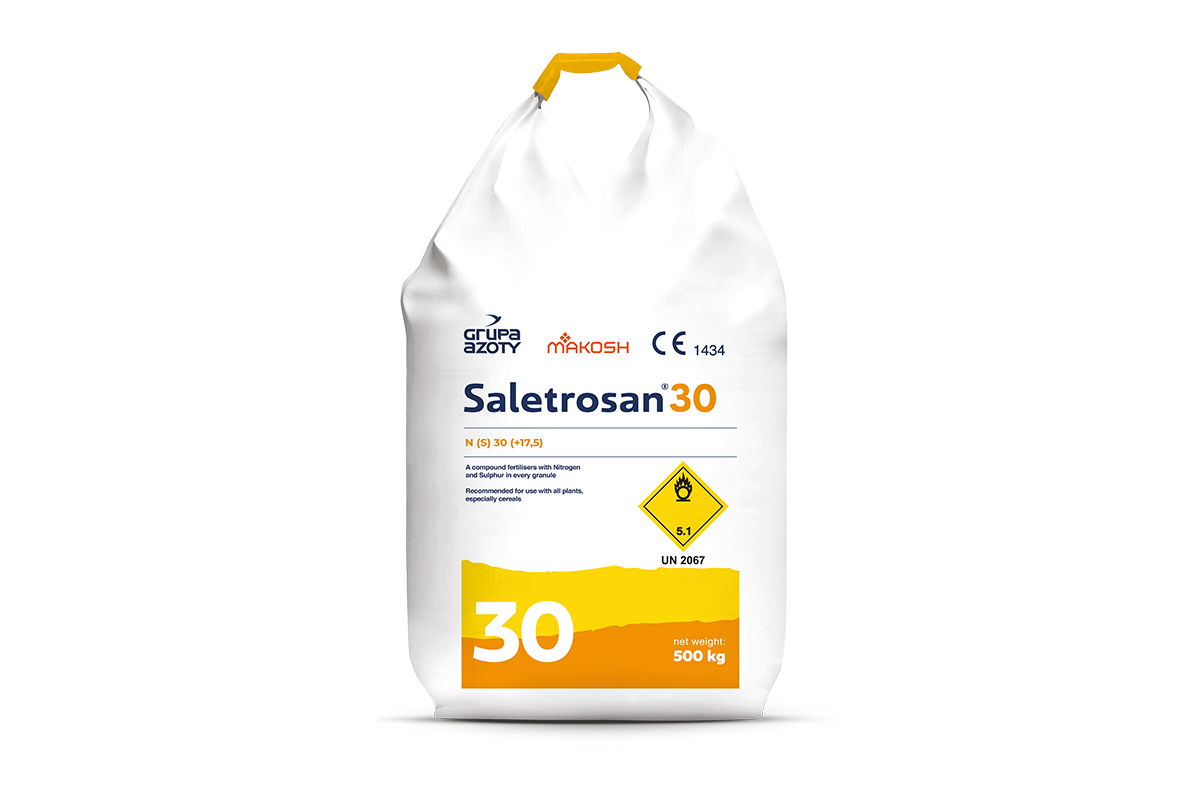
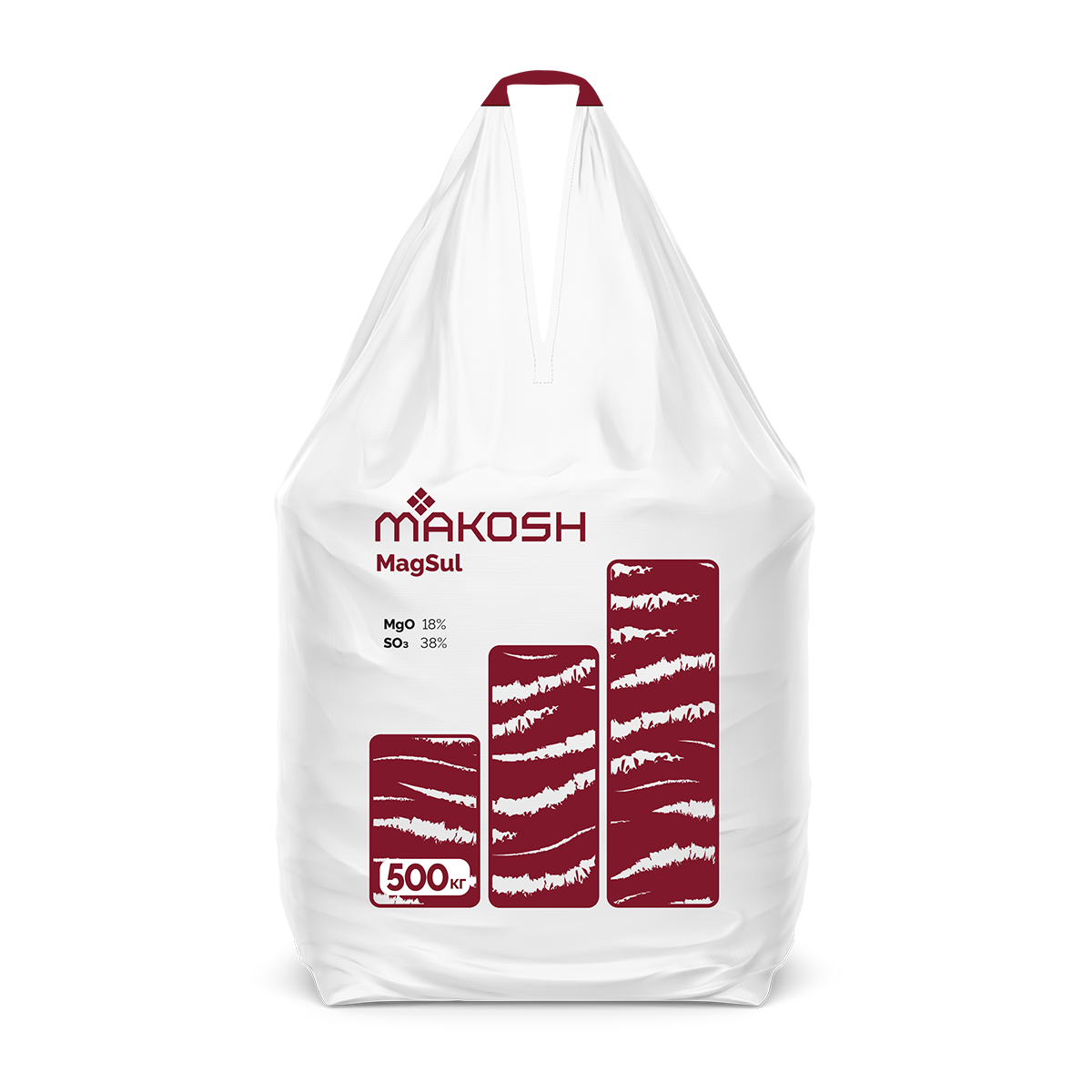
In the spring, in order to “program” the plants for a high yield, it is recommended to carry out fertilizing with nitrogen and sulfur through the frozen ground by applying PULAN AMMONIUM NITRATE 200-400 kg/ha and MagSul 150-200 kg/ha or a fertilizer that combines nitrogen and sulfur, SALETROSAN 30 150-200 kg/ha.
Foliar fertilization after vegetation recovery
At low temperatures, frosts, and lack of moisture in spring, the absorption of nutrients through the root system is sharply reduced, therefore foliar nutrition will save plants in such conditions. During the spring tillering period, the following fertilizers are applied for foliar nutrition:
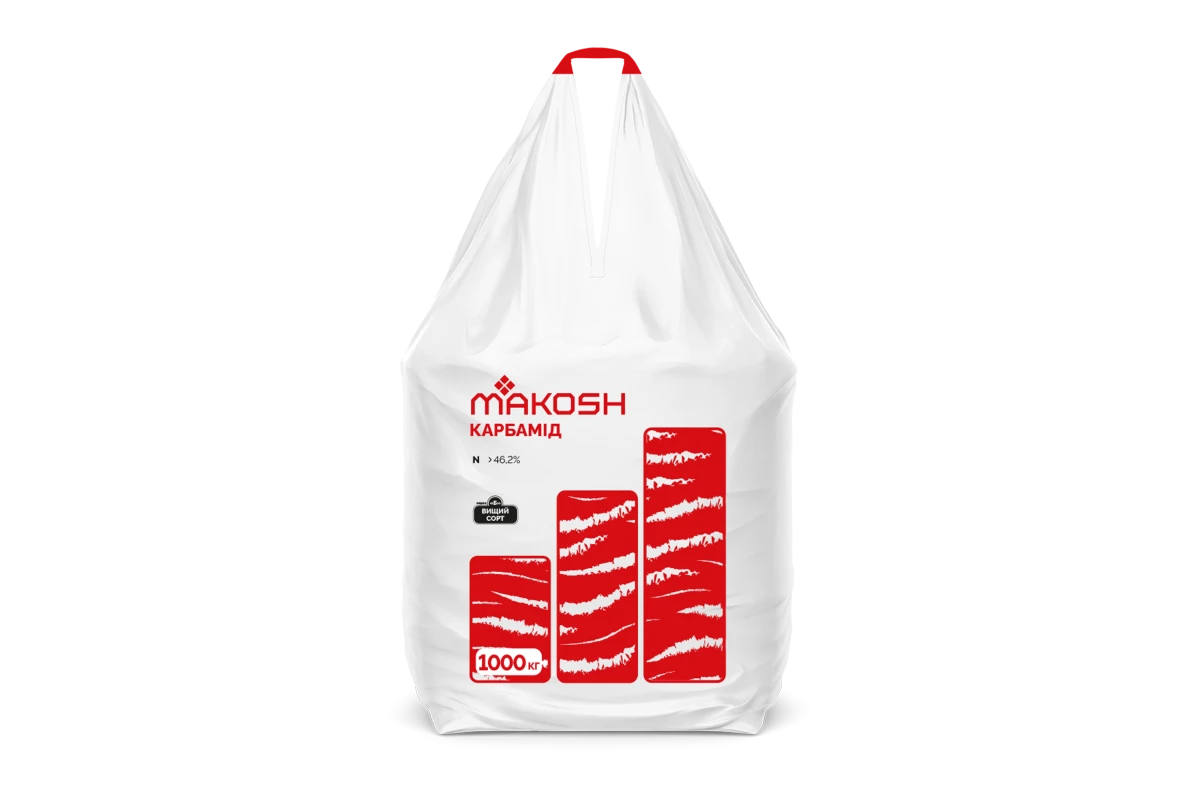
- Urea – 7 kg/ha;
- Magnesium sulphate crystalline (heptahydrate) – 5-10 kg/ha;
- MAKOSH 10-53-10 2-3 kg/ha or MAKOSH P 30 1-2 l/ha;
- MAKOSH Cu 6 – 1-2 l/ha;
To enhance the process of photosynthesis and prepare plants for the flowering process, foliar nutrition should be carried out during the period of booting and flag leaf, the following tank mixture:
- Urea – 7 kg/ha;
- Magnesium sulphate crystalline (heptahydrate) – 5-10 kg/ha;
- MAKOSH 21-21-21 – 2-3 kg/ha;
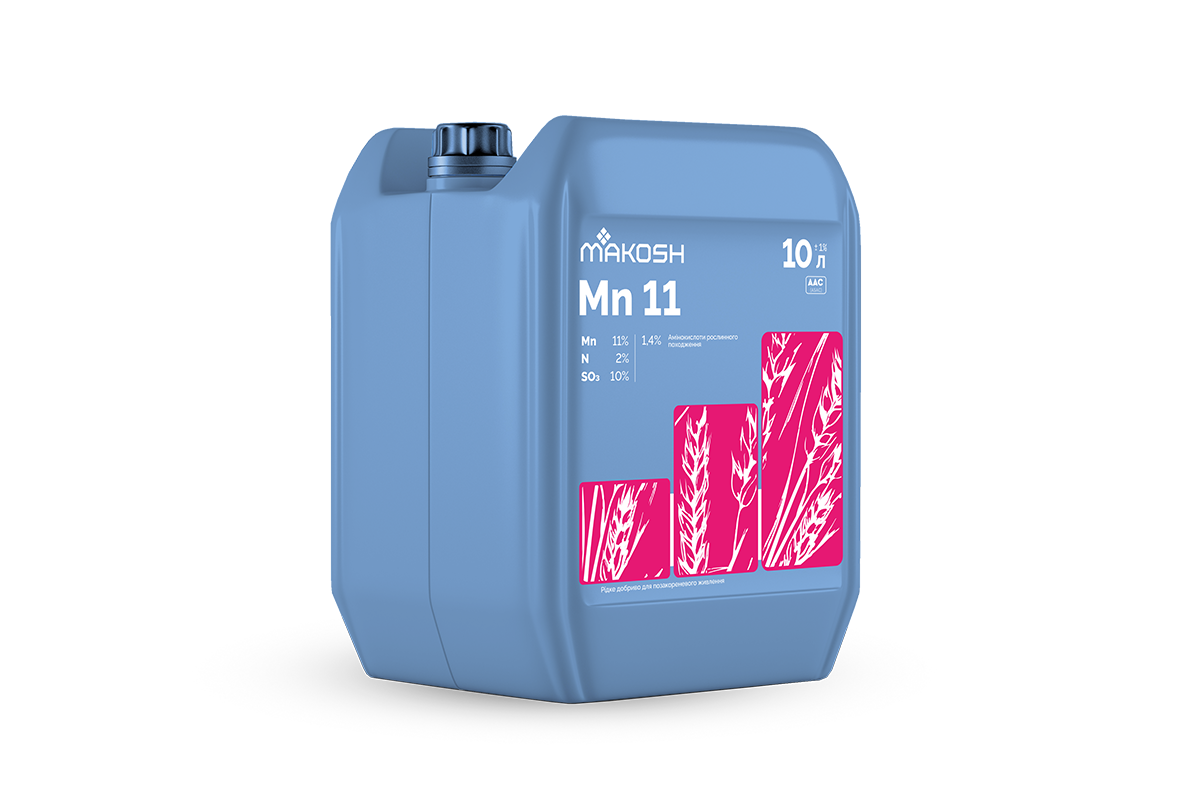
- MAKOSH Mn 11 – 1-2 l/ha.
To improve the quality indicators of the yield (gluten content of the seeds), the following tank mixture should be applied to the leaves during the fruit and seed formation phase:
- Urea – 4 kg/ha;
- Magnesium sulphate crystalline (heptahydrate) – 5-10 kg/ha;
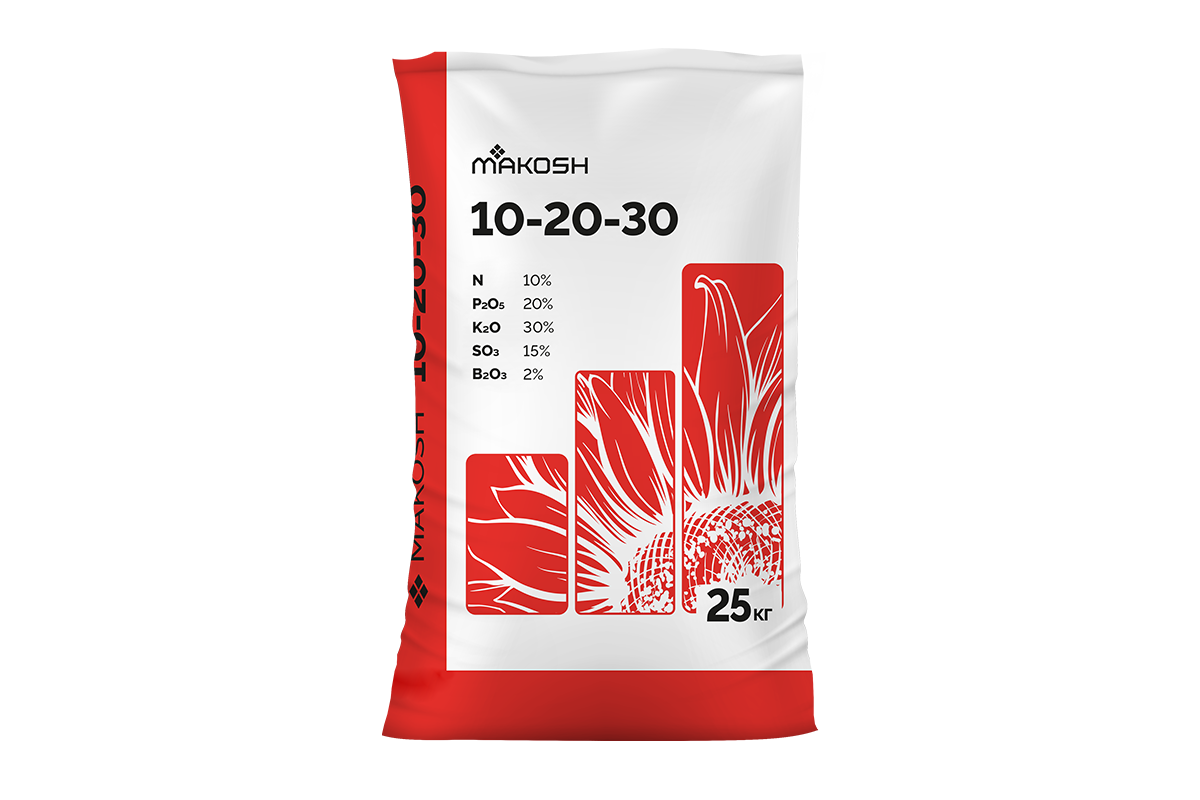
- MAKOSH 10-20-30 – 2-3 kg/ha;
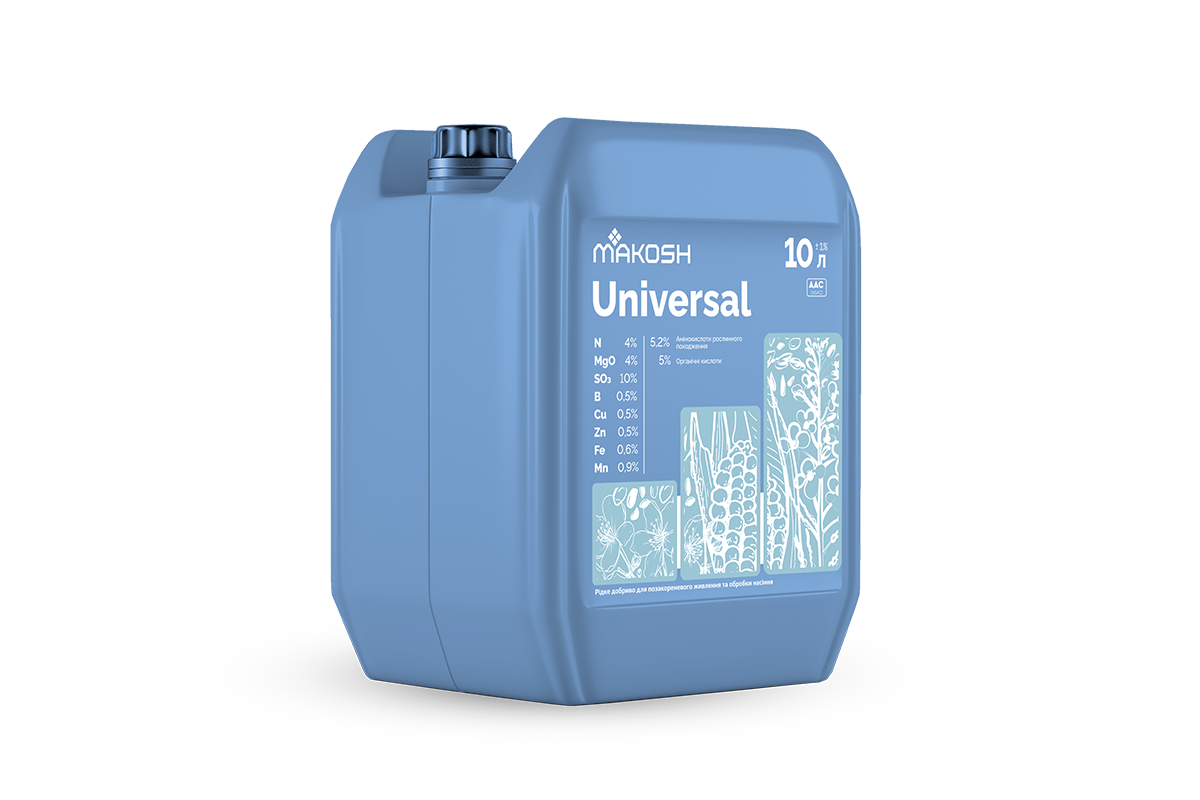
- MAKOSH Universal – 2-3 l/ha.
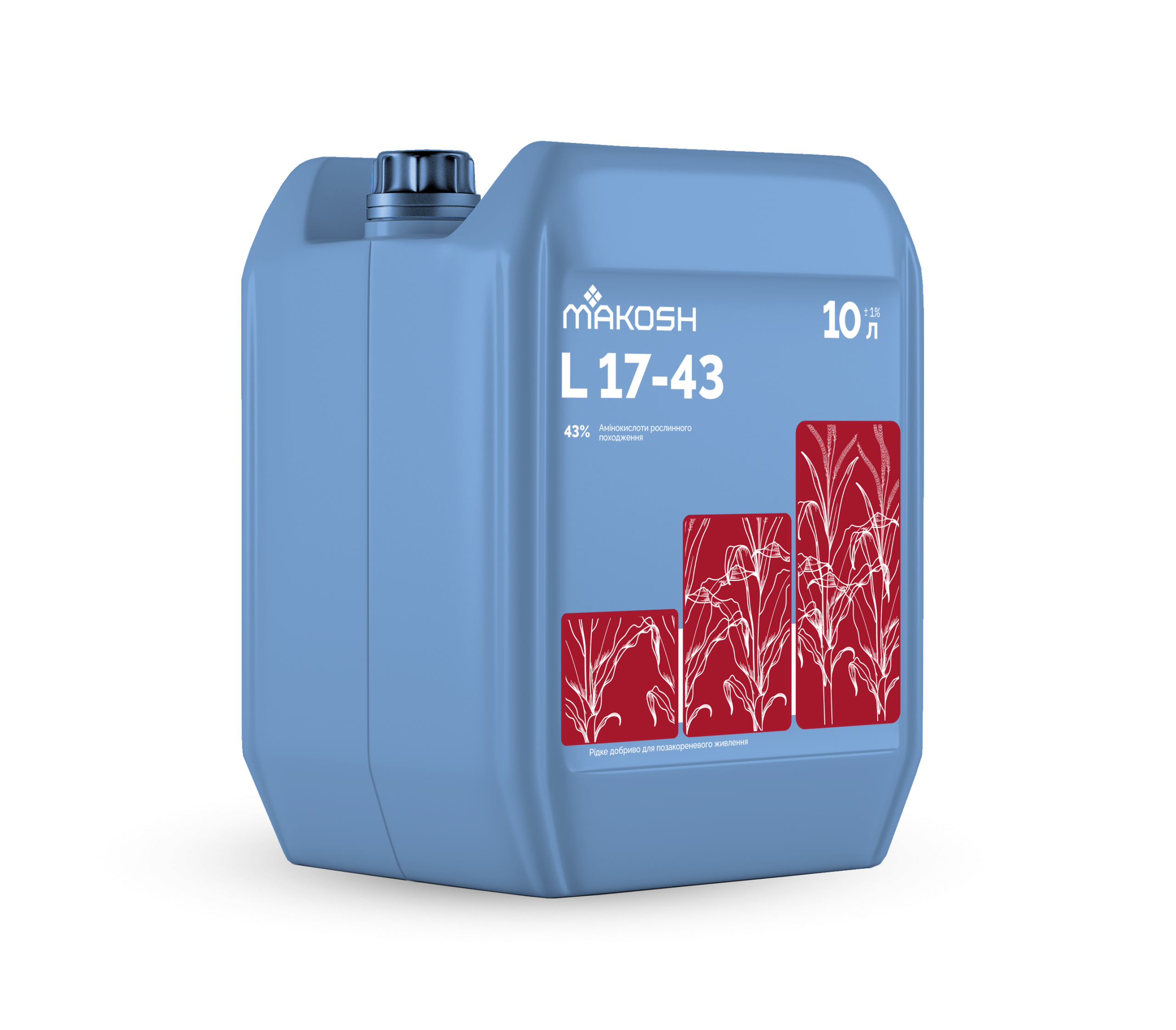
To protect crops from frost or to help plants recover after it, we recommend applying MAKOSH L 17-43 – 0,5-1 l/ha. Also, this fertilizer will protect plants from herbicide stress and acute nutrient deficiency.
It should be remembered that the availability of macro- and microelements for plants depends on the type of soil, buffering capacity, available forms of elements for plants, and soil solution. The specified dosages are of a recommendatory nature, and the exact doses and rates with application periods are calculated by the agronomist, taking into account many factors and based on the results of agrochemical soil testing.
Makosh offers a free support service called Agronomist 24/7, where you can get advice on agronomic issues.